Can a POA agent name self as grantor, trustee, and beneficiary?
That would only be permitted if the POA document gives them that power. However, they would not be the grantor. The grantor is still the owner of the property, not the agent. The agent may act as trustee and beneficiary if authorized by the POA.
0
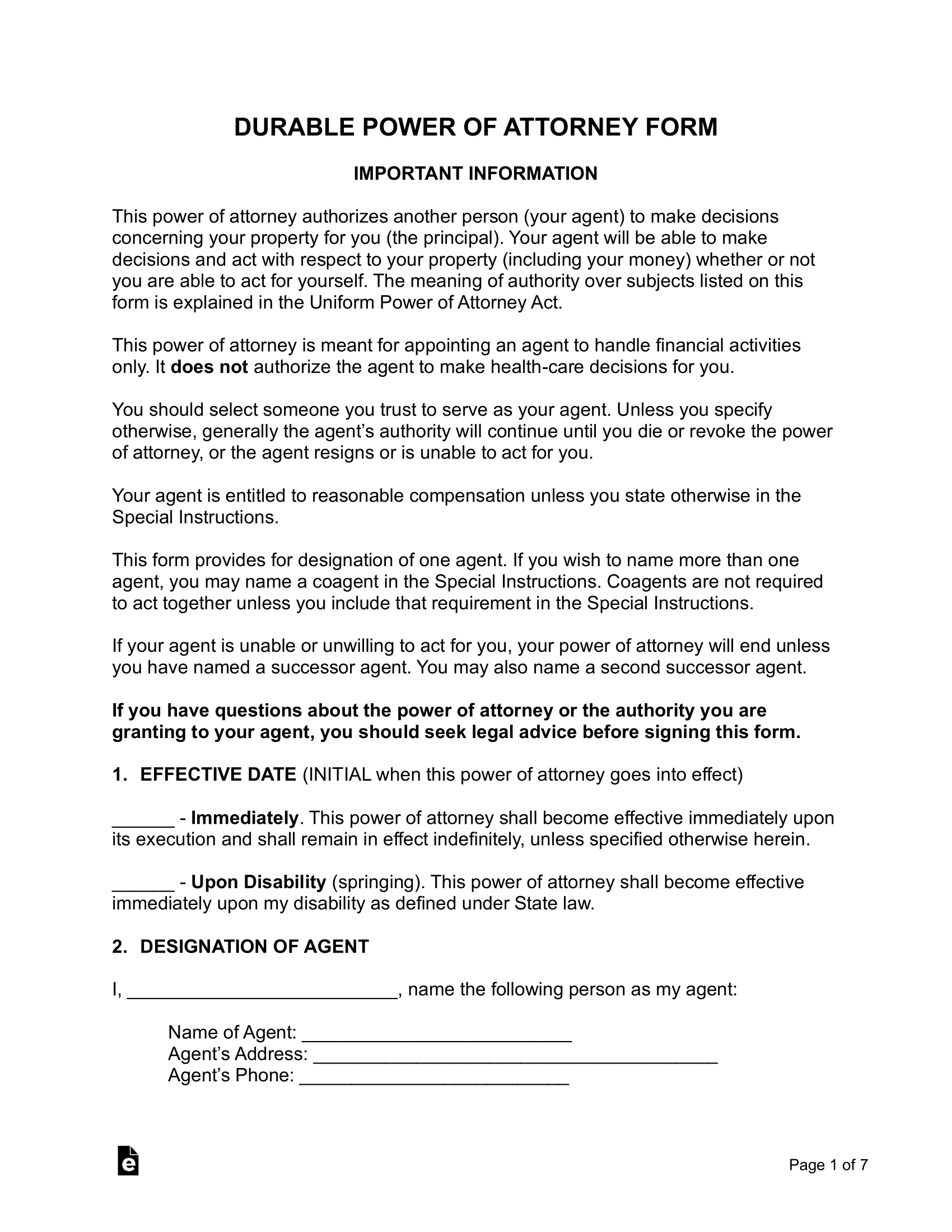
Durable Power of Attorney
Full Conversation
Hi. I just wanted to make sure that this trust is the least restrictive trust I can create. I am writing for my daughter to be the trustee and beneficiary.
Lexi, Chatbot
I understand your concern about creating a trust that is not too restrictive. Are you looking to ensure flexibility for your daughter as both the trustee and beneficiary?
Yes.
Lexi, Chatbot
Have you already outlined specific instructions or conditions for the trust, or are you looking to keep it more open-ended for your daughter's benefit?
I am looking to keep it as open-ended as possible. She is also my Durable Power of Attorney. I don't know if that changes anything.
Lexi, Chatbot
Is there anything else the estate lawyer should know before I connect you? Rest assured they'll be able to help with your trust.
I think that's it.
Legal Eagle
Hello! I will be reviewing your question and posting a response momentarily. If you have any follow-up questions, please respond here. Thanks!
Are you asking if a minor can be made trustee and given broad discretion?
I guess my question has evolved, but I'm not worried about the minor after reading through the document more carefully.
I do want to ask about how someone with a Durable Power of Attorney might set up a trust with themselves as Grantor, Trustee, and Beneficiary.
Is that legal?
Legal Eagle
So you are asking if the agent (under a POA) can use the funds of the principal and name themselves as grantor, trustee, and beneficiary?
Yes. And how they would name themselves in each category, including the person who gave the Durable POA in the first place. I think I understand it, but I want to be sure it's exactly right legally.
Legal Eagle
That would only be permitted if the POA document gives them that power. However, they would not be the grantor. The grantor is still the owner of the property, not the agent. The agent may act as trustee and beneficiary if authorized by the POA.
The POA does give them that power.
Legal Eagle
The agent does not own the property — they are acting on behalf of the owner.
The trustee can be the agent if the POA allows it.
Yes, I know that the trustee can be the agent. There are no restrictions on the POA.
So just to be clear: The grantor is the name of the owner, but the agent can sign for the grantor on the trust document? Is that right?
Legal Eagle
Yes — if the POA document authorizes it, that would be compliant with the fiduciary obligations in the POA.
That is correct.
If the document authorized that, in what way? Do I need specific verbiage within the document?
Legal Eagle
Within the POA document?
Yes.
Legal Eagle
The POA would have to comply with state law and be clearly drafted to grant the powers the principal wishes to grant. You would want your attorney to draft it or at least review it to ensure it is properly prepared to have the desired effect.
No, the POA is already created. I think it was created properly. I want to make the trust right and sign it correctly.
Legal Eagle
I unfortunately cannot advise or instruct exactly how to sign a legal document. That would require oversight from a personal attorney.
15
6
Answered 4 days ago
Disclaimer
By messaging AskaLawyer.com, you agree to our Terms and have read our Privacy Policy.
The information provided on AskaLawyer.com is for general informational purposes only and does not constitute legal advice. While we strive to ensure the accuracy and timeliness of the information presented, we make no guarantees regarding its completeness or applicability to your specific circumstances.
Use of this website does not create an attorney-client relationship between you and AskaLawyer.com or any of its attorneys. Communications through this website, including any responses from attorneys, are not privileged or confidential. For advice tailored to your individual situation, we recommend consulting a licensed attorney in your jurisdiction.
AskaLawyer.com disclaims any liability for actions taken or not taken based on the content of this site. We are not responsible for any third-party content that may be accessed through this website. Reliance on any information provided herein is solely at your own risk.