[WA] What can I do if my ex-wife refuses my entry into our co-owned home to inspect it for sale?
In your case, even though you’re still a co-owner of the property, your ex-wife has been given “sole occupancy” until June 1, 2025, according to your divorce decree. That means, legally, she can exclude you from entering the home until that date.
This situation is different from a typical “ouster,” where a co-owner is permanently shut out. Here, your access is temporarily restricted by court order.
That said, things get more complicated when it comes to selling the house. Even though she has sole occupancy, both of you share a financial interest in the sale, especially since the proceeds are supposed to be split equally. That creates an obligation for both of you to cooperate in making the sale happen. This usually includes allowing reasonable access for inspections, appraisals, and showings — steps that are essential to getting the home sold.
While your arrangement doesn’t exactly mirror a landlord-tenant relationship, some principles may still apply, such as giving proper notice before entering. However, what ultimately controls the situation is what your divorce decree says — that’s your main legal guide.
So, the first thing you should do is carefully review your divorce decree. Look for any language about your ex-wife’s right to occupy the home — does it say anything about inspections or preparing the property for sale? Check for instructions or timelines around selling the home, including what’s expected from each of you regarding access and maintenance. If there are rules about resolving disagreements, note them — they might give you a way to resolve this without returning to court.
Your next move should be to put your request in writing again. Send your ex-wife a polite but clear message (email or certified letter is best). Remind her that you’re still a co-owner and that the sale date is approaching. Explain that you need access for inspection to help move the sale forward and protect your financial interest. Offer specific dates and times, mention if a professional inspector will accompany you, and show that you’re giving plenty of notice. You can also note that refusing access could delay the sale or affect the price — which impacts both of you.
If she still refuses to let you in, it’s time to talk to a Washington state attorney who focuses on family law or real estate.
A lawyer can review your divorce decree and clarify your rights. You can find highly-rated and trustworthy lawyers at Avvo.com, or if you’re on a tight budget, look for your county’s legal aid office for free or low-cost legal help.
An attorney can also send a formal letter on your behalf, which may carry more weight. If necessary, they can ask the court to step in and order her to cooperate. Judges can enforce reasonable access when it’s directly tied to the sale of the property.
Calling the police likely won’t help here. Unless there’s a threat or domestic violence order violation, police treat access disputes as civil matters and won’t intervene without a court order.
If the sale cannot proceed due to her refusal, you can file a partition action in Washington (RCW 7.52.080) — a legal process allowing a co-owner to ask the court to force the sale of jointly owned property. But since your divorce decree already orders the sale, that would be a last resort if she’s not complying.
0
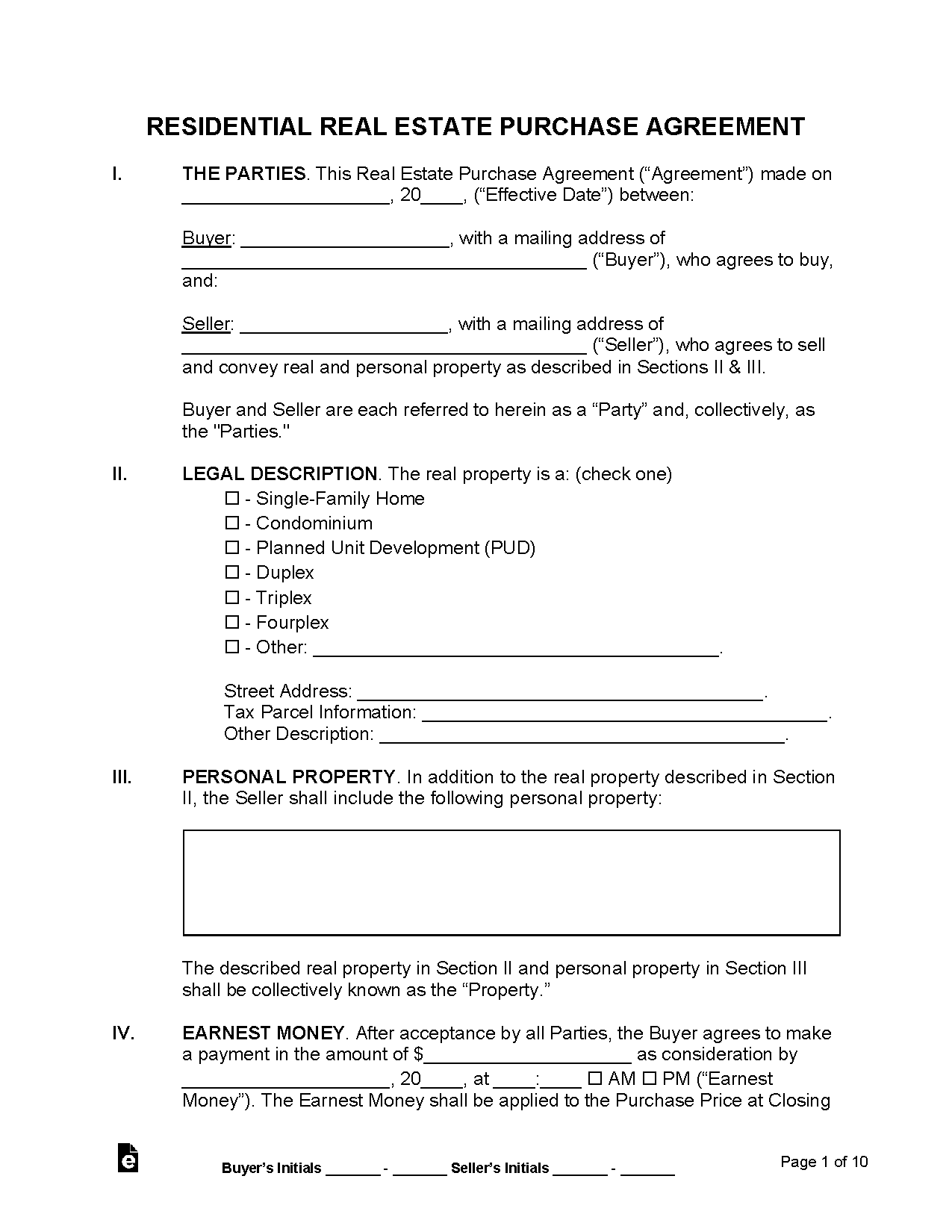
Residential Real Estate Purchase Agreement
Full Conversation
Homeowner rights.
Lexi, Chatbot
I understand you have questions about homeowner rights. Can you please tell me if you are facing a specific issue related to your property rights?
I own a home with my ex-wife, which she occupies, and it is to be put up for sale June 1st. I made a request to enter the home to inspect it and was denied entry.
Lexi, Chatbot
Are you looking for information on your rights as a homeowner in a particular state or regarding a specific situation?
Both.
Lexi, Chatbot
Is there anything else the real estate lawyer should know before I connect you? Rest assured they’ll be able to help with homeowner rights and your specific situation.
Yes.
Jon
Hello! I'm delighted that you've chosen to contact AskALawyer for assistance. My name is Jon, and I'm here to assist you as an attorney.
I understand that dealing with legal issues can be stressful and confusing. Don't worry, I'm here to help, and I hope to provide you with a solution to your problem.
What state is the house located in?
Washington.
Jon
Who denied entry?
My ex-wife. She is a co-owner as well.
Jon
I assume you have a divorce order addressing the house and your co-ownership with a right to sell?
Yes, I do. The proceeds are to be split 50/50.
Jon
Understood! I think I have all the information I need, but is there anything else you'd like to add before I get started on your answer? If not, I'll start working on a response for you right away.
The final divorce decree states she has sole occupancy of the residence until June 1, 2025, pending sale. All I’ve been trying to do is inspect and check on my home. I haven’t done so since I moved out, and now that the time has come to sell, I feel I should have the right to access the home with proper notice, which I did provide on numerous occasions and was still denied entry.
I have plenty of notices requesting entry of the home — well over 48 hours' notice — on numerous occasions.
Jon
In your case, even though you’re still a co-owner of the property, your ex-wife has been given “sole occupancy” until June 1, 2025, according to your divorce decree. That means, legally, she can exclude you from entering the home until that date.
This situation is different from a typical “ouster,” where a co-owner is permanently shut out. Here, your access is temporarily restricted by court order.
That said, things get more complicated when it comes to selling the house. Even though she has sole occupancy, both of you share a financial interest in the sale, especially since the proceeds are supposed to be split equally. That creates an obligation for both of you to cooperate in making the sale happen. This usually includes allowing reasonable access for inspections, appraisals, and showings — steps that are essential to getting the home sold.
While your arrangement doesn’t exactly mirror a landlord-tenant relationship, some principles may still apply, such as giving proper notice before entering. However, what ultimately controls the situation is what your divorce decree says — that’s your main legal guide.
So, the first thing you should do is carefully review your divorce decree. Look for any language about your ex-wife’s right to occupy the home — does it say anything about inspections or preparing the property for sale? Check for instructions or timelines around selling the home, including what’s expected from each of you regarding access and maintenance. If there are rules about resolving disagreements, note them — they might give you a way to resolve this without returning to court.
Your next move should be to put your request in writing again. Send your ex-wife a polite but clear message (email or certified letter is best). Remind her that you’re still a co-owner and that the sale date is approaching. Explain that you need access for inspection to help move the sale forward and protect your financial interest. Offer specific dates and times, mention if a professional inspector will accompany you, and show that you’re giving plenty of notice. You can also note that refusing access could delay the sale or affect the price — which impacts both of you.
If she still refuses to let you in, it’s time to talk to a Washington state attorney who focuses on family law or real estate.
A lawyer can review your divorce decree and clarify your rights. You can find highly-rated and trustworthy lawyers at Avvo.com, or if you’re on a tight budget, look for your county’s legal aid office for free or low-cost legal help.
An attorney can also send a formal letter on your behalf, which may carry more weight. If necessary, they can ask the court to step in and order her to cooperate. Judges can enforce reasonable access when it’s directly tied to the sale of the property.
Calling the police likely won’t help here. Unless there’s a threat or domestic violence order violation, police treat access disputes as civil matters and won’t intervene without a court order.
If the sale cannot proceed due to her refusal, you can file a partition action in Washington (RCW 7.52.080) — a legal process allowing a co-owner to ask the court to force the sale of jointly owned property. But since your divorce decree already orders the sale, that would be a last resort if she’s not complying.
Okay, well, I already knew this information. I thought as owners we had rights to our home, and when refused entry, I understand getting a lawyer, but why can’t I just file a civil suit? I tried mediation, and she denied it.
Jon
I’m glad to confirm your understanding then — you have it right! You can either return to court to enforce the divorce order or file a partition action in civil court. Those are the two legal ways to address the issue.
She’s not blocking the sale of the home — she’s denying entry for inspection. Aren’t homeowners allowed entry to homes they own with proper notice? That’s what I’m trying to verify — how does she get to exclude me from checking on the home I also own?
Jon
I understand, and that’s why you’ll need to go back to family court to get a court order for entry and sale — or seek an order for partition. You need the court’s help to gain entry and enforce cooperation.
11
2
Answered 3 days ago
Disclaimer
By messaging AskaLawyer.com, you agree to our Terms and have read our Privacy Policy.
The information provided on AskaLawyer.com is for general informational purposes only and does not constitute legal advice. While we strive to ensure the accuracy and timeliness of the information presented, we make no guarantees regarding its completeness or applicability to your specific circumstances.
Use of this website does not create an attorney-client relationship between you and AskaLawyer.com or any of its attorneys. Communications through this website, including any responses from attorneys, are not privileged or confidential. For advice tailored to your individual situation, we recommend consulting a licensed attorney in your jurisdiction.
AskaLawyer.com disclaims any liability for actions taken or not taken based on the content of this site. We are not responsible for any third-party content that may be accessed through this website. Reliance on any information provided herein is solely at your own risk.