Can I sue PFL for breaking my fight contract?
The central legal question is whether Donn’s message — promising “I’ll get you at least one fight in 2024” — constitutes a binding contractual commitment or merely a non-binding statement of intent.
Under general contract law principles (recognized across U.S. jurisdictions and codified in part under the Restatement (Second) of Contracts §§ 17–24), a legally enforceable contract — whether written, oral, or communicated digitally (such as by text or direct message) — requires:
-
Offer and Acceptance (a clear, mutual agreement);
-
Definite Terms (specific obligations or performance);
-
Consideration (something of value exchanged); and
-
Intent to Create Legal Relations (a shared expectation that the promise is legally binding).
Additionally, reliance and damages become relevant if the claim is framed under promissory estoppel (Restatement (Second) of Contracts § 90).
Challenges to enforcement
However, there are several potential weaknesses:
-
Vagueness: The phrase “I’ll get you a fight” may be viewed as too indefinite to form a binding contract (see Varney v. Ditmars, 217 N.Y. 223 (1916), where vague assurances were found unenforceable).
-
Lack of consideration: It’s unclear what benefit PFL received in return — a necessary element under Restatement § 71.
-
Separate arrangement: If your original PFL contract covered only the “showcase fight” and “tournament,” and those terms were fulfilled or voided by injury, Donn’s message might be seen as a new, gratuitous promise, not a continuation of your prior contract.
Evidence Supporting Enforceability
You do possess several facts that support potential enforceability:
-
Written communications from the CEO — a factor that strengthens credibility and evidentiary value under the Federal Rules of Evidence 801(d)(2) (admissions by a party opponent).
-
Reasonable reliance — you may have foregone other fighting opportunities in expectation of this promise being honored.
-
Damages — measurable harm such as lost income, missed exposure, and professional momentum.
Mitigation and Waiver
When you declined the December 28, 2024 contract offer based on your manager’s advice, PFL could argue that they satisfied their obligation by extending a valid opportunity to fight — and that you effectively waived your right to claim breach.
However, suppose your attorney can demonstrate that the new offer materially differed from prior terms (e.g., lower pay, restricted rights, or substantially altered conditions). In that case, you may argue that it was not a good-faith fulfillment of Donn’s earlier promise. This argument would rely on Restatement § 205, which imposes a duty of good faith and fair dealing in contract performance.
Potential Legal Theories
Given PFL’s lack of response to your attorney’s demand letter, you may now consider the following:
-
Breach of Contract Claim – Alleging that Donn’s message and subsequent conduct created a binding promise supported by reliance and partial performance.
-
Promissory Estoppel Claim – Under Restatement § 90, you can argue that you reasonably relied on Donn’s promise to your detriment, making it enforceable even absent formal consideration.
-
Bad Faith Negotiation / Misrepresentation – If evidence shows that the promise was made to induce reliance or prevent you from signing elsewhere, a claim under common law fraud or tortious interference may apply.
0
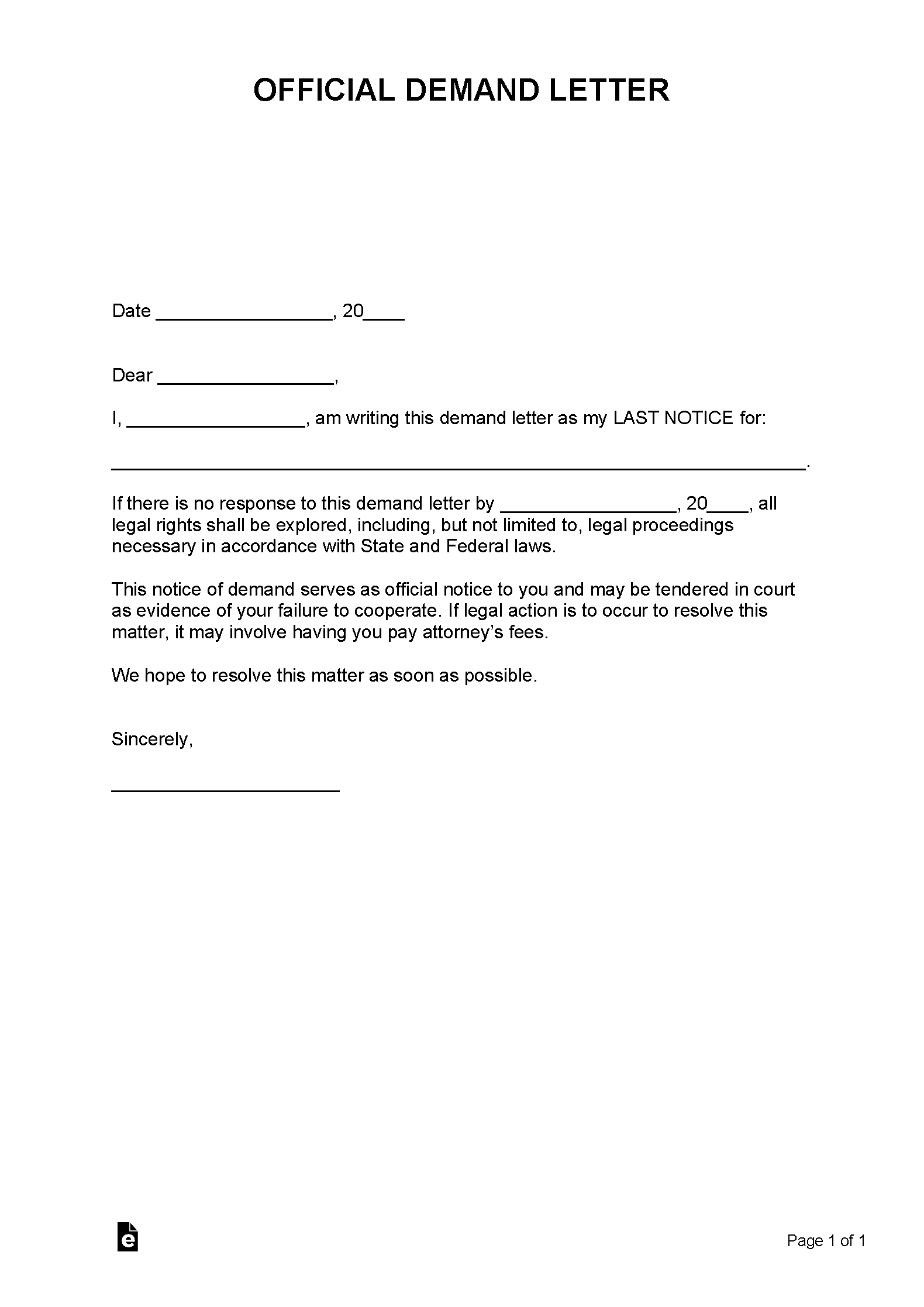
Demand Letter
Full Conversation
Let me explain in short —
I asked for a release from UFC to sign with PFL.
UFC granted it.
The contract with PFL was for 1 showcase fight and a tournament.
I fought in November 2023 and won.
The tournament was April 2024, but I was injured going in. PFL was informed that I couldn’t participate.
Donn said it was fine and that he’d find a way to get me at least one fight in 2024.
2024 passed — no fights.
In 2025, I was offered a spot in the tournament around December 28th, 2024.
Ali and his team told me not to sign the PFL contract because they had changed it significantly.
Donn messaged me on Twitter asking if I got the contract — I said yes.
He texted 3–4 days later, saying “Hurry and sign because the tournament is filling up.”
I told Ali, and he said, “Don’t worry, I have it. Don’t sign yet. Me and other managers are talking.”
Around January 2, I got an email saying the DocuSign contract link was cancelled.
My previous contract was 210/210.
The new one sent Dec 28 was 200/200.
Ali said not to sign because they had changed other values — including the number of fights.
Then Ali said that after he spoke with PFL, they agreed to reinstate the contract — but now for 100/100.
This was about a week or two later.
Do I have any case with Donn verbally saying he would at least get me one fight in 2024 and never did?
I had a lawyer send a demand letter — PFL didn’t reply.
I guess they’re calling my bluff.
But from what I’ve looked up, I seem vindicated in having an actual contract and the owner stating he’d get me at least one fight in 2024.
I depended on that.
Lexi, Chatbot
I understand the situation you’re facing with the ufc and pfl contracts. have you consulted with any legal counsel regarding this matter?
Yes.
Lexi, Chatbot
Can you provide more details about the specific terms of the contracts and any written communication you have regarding the promise of at least one fight in 2024?
I have direct messages from the CEO of the company stating he would get me at least one fight in 2024.
Craig
Is there anything else the employment lawyer should know before i connect you? rest assured they’ll be able to help with your case.
Yes.
Craig
Good evening — my name is Craig, and I’m a licensed attorney here to help with your circumstances concerning the UFC and PFL.
Do you have the UFC and PFL contracts I could look at to assist you?
Craig
Thank you for laying this out clearly.
Based on what you’ve described, you may have a potential contract dispute with PFL, but there are several legal hurdles to consider.
Craig
The central legal question is whether Donn’s message — promising “I’ll get you at least one fight in 2024” — constitutes a binding contractual commitment or merely a non-binding statement of intent.
Under general contract law principles (recognized across U.S. jurisdictions and codified in part under the Restatement (Second) of Contracts §§ 17–24), a legally enforceable contract — whether written, oral, or communicated digitally (such as by text or direct message) — requires:
-
Offer and Acceptance (a clear, mutual agreement);
-
Definite Terms (specific obligations or performance);
-
Consideration (something of value exchanged); and
-
Intent to Create Legal Relations (a shared expectation that the promise is legally binding).
Additionally, reliance and damages become relevant if the claim is framed under promissory estoppel (Restatement (Second) of Contracts § 90).
Challenges to enforcement
However, there are several potential weaknesses:
-
Vagueness: The phrase “I’ll get you a fight” may be viewed as too indefinite to form a binding contract (see Varney v. Ditmars, 217 N.Y. 223 (1916), where vague assurances were found unenforceable).
-
Lack of consideration: It’s unclear what benefit PFL received in return — a necessary element under Restatement § 71.
-
Separate arrangement: If your original PFL contract covered only the “showcase fight” and “tournament,” and those terms were fulfilled or voided by injury, Donn’s message might be seen as a new, gratuitous promise, not a continuation of your prior contract.
Evidence Supporting Enforceability
You do possess several facts that support potential enforceability:
-
Written communications from the CEO — a factor that strengthens credibility and evidentiary value under the Federal Rules of Evidence 801(d)(2) (admissions by a party opponent).
-
Reasonable reliance — you may have foregone other fighting opportunities in expectation of this promise being honored.
-
Damages — measurable harm such as lost income, missed exposure, and professional momentum.
Mitigation and Waiver
When you declined the December 28, 2024 contract offer based on your manager’s advice, PFL could argue that they satisfied their obligation by extending a valid opportunity to fight — and that you effectively waived your right to claim breach.
However, suppose your attorney can demonstrate that the new offer materially differed from prior terms (e.g., lower pay, restricted rights, or substantially altered conditions). In that case, you may argue that it was not a good-faith fulfillment of Donn’s earlier promise. This argument would rely on Restatement § 205, which imposes a duty of good faith and fair dealing in contract performance.
Potential Legal Theories
Given PFL’s lack of response to your attorney’s demand letter, you may now consider the following:
-
Breach of Contract Claim – Alleging that Donn’s message and subsequent conduct created a binding promise supported by reliance and partial performance.
-
Promissory Estoppel Claim – Under Restatement § 90, you can argue that you reasonably relied on Donn’s promise to your detriment, making it enforceable even absent formal consideration.
-
Bad Faith Negotiation / Misrepresentation – If evidence shows that the promise was made to induce reliance or prevent you from signing elsewhere, a claim under common law fraud or tortious interference may apply.
Craig
Next Steps
-
Have your attorney preserve and present all communications (texts, emails, DMs, and contracts) in chronological order to establish the timeline and reliance.
-
Consider filing a formal complaint for breach of contract or promissory estoppel under your state’s civil procedure rules (for example, Colo. R. Civ. P. 8(a) or Fla. R. Civ. P. 1.110(b), depending on jurisdiction).
-
Alternatively, issue a final demand letter signaling intent to litigate — which may prompt PFL to negotiate a settlement.
Craig
If you’d like, I can also help you review or draft a complaint or follow-up demand letter to PFL.
Please let me know if you want to proceed with that.
Disclaimer
By messaging AskaLawyer.com, you agree to our Terms and have read our Privacy Policy.
The information provided on AskaLawyer.com is for general informational purposes only and does not constitute legal advice. While we strive to ensure the accuracy and timeliness of the information presented, we make no guarantees regarding its completeness or applicability to your specific circumstances.
Use of this website does not create an attorney-client relationship between you and AskaLawyer.com or any of its attorneys. Communications through this website, including any responses from attorneys, are not privileged or confidential. For advice tailored to your individual situation, we recommend consulting a licensed attorney in your jurisdiction.
AskaLawyer.com disclaims any liability for actions taken or not taken based on the content of this site. We are not responsible for any third-party content that may be accessed through this website. Reliance on any information provided herein is solely at your own risk.