[CA] How do I evict my children’s mother from my home?
Understood. Options to consider:
- Agree on a firm vacate date (put it in writing) and use the threat of eviction if she refuses. In California, generally you must give 60 days’ written notice in this situation (Cal. Civ. Code § 1946.1). Consider having an eviction attorney formalize the notice to avoid procedural mistakes.
- File for eviction (unlawful detainer) to legally remove her.
- Offer “cash for keys” — pay her to leave voluntarily.
- Hire an eviction lawyer to handle notices and court filings.
- Alternatively, let her stay longer in exchange for rent. Document it.
0
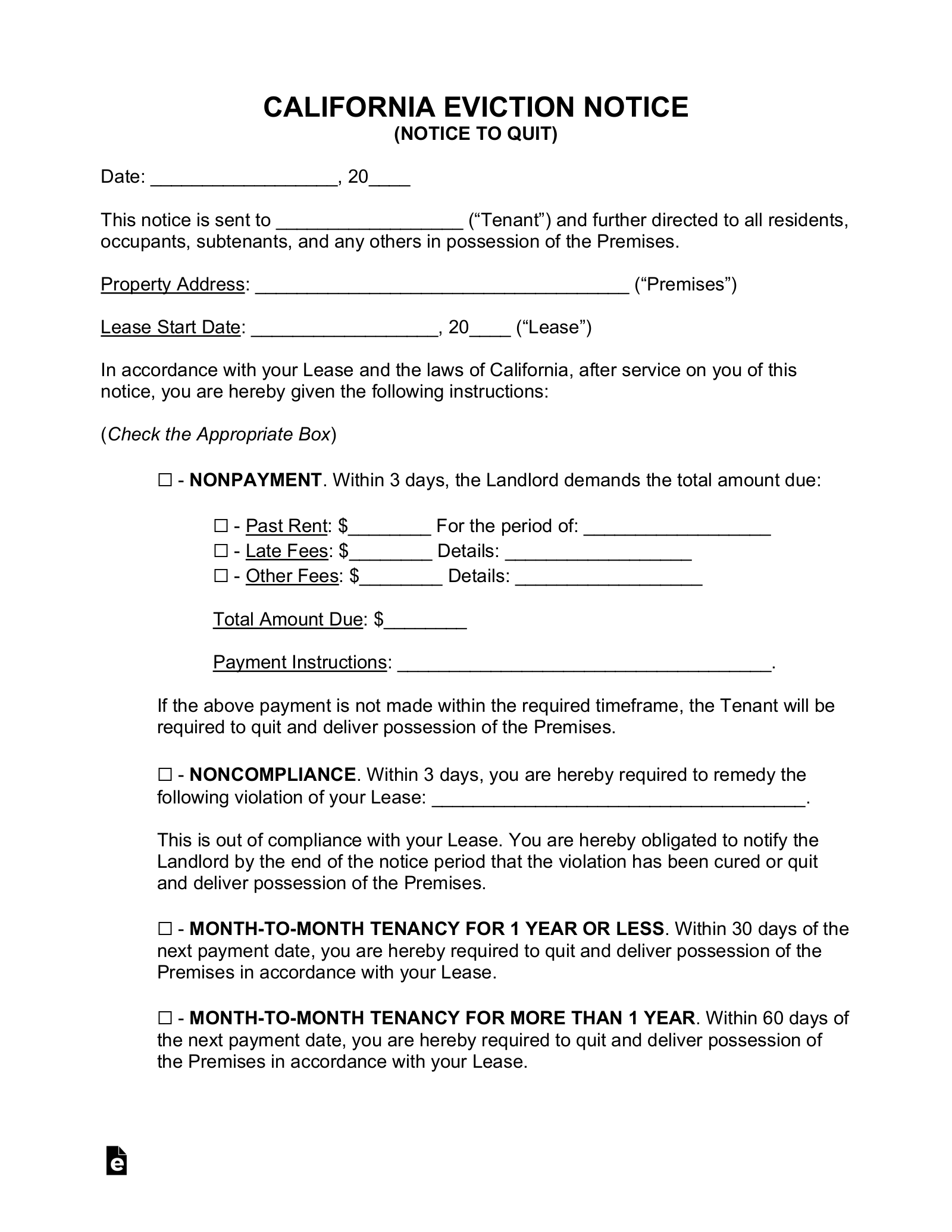
California Eviction Notice
Full Conversation
I recently split with my children’s mother. Never married. I own my home by myself. How can I legally have her leave the house? She’s looking for a place but can’t afford rent or find anything right now.
Lexi, Chatbot
I understand — have you and the children’s mother discussed any agreement about her living there?
I gave her 60 days to leave, and she agreed. After a month, she said it’s hard to rent while supporting the kids. I let her stay past 60 days if needed, but said if I find someone to rent a room, I wouldn’t need as much support. I now have someone to rent the room, and she still hasn’t moved. I worry she’ll drag her feet.
Lexi, Chatbot
Any written agreements or court orders yet about custody or living arrangements?
I’ve started the custody application and parenting plan but it still needs to be seen by the court. I’m filing for majority custody of our two boys and asking for child support.
Dan
Sorry you’re going through this. Quick questions: 1) What’s your main concern right now? 2) What outcome do you want?
1) Main concern is making it difficult to have her move out, and what happens if she can’t find a place — no credit, no family. She does make decent money, though. 2) Ideally, she finds a local room to rent, pays child support, and a family member rents our spare bedroom. We are located in California.
Dan
Understood. Options to consider:
- Agree on a firm vacate date (put it in writing) and use the threat of eviction if she refuses. In California, generally you must give 60 days’ written notice in this situation (Cal. Civ. Code § 1946.1). Consider having an eviction attorney formalize the notice to avoid procedural mistakes.
- File for eviction (unlawful detainer) to legally remove her.
- Offer “cash for keys” — pay her to leave voluntarily.
- Hire an eviction lawyer to handle notices and court filings.
- Alternatively, let her stay longer in exchange for rent. Document it.
One last question — what’s the deciding factor when the court decides who gets primary custody?
Dan
The court’s deciding factor is the best interests of the child — factors include who provides care, school stability, maintaining the status quo, parents’ availability/work schedules, and overall ability to meet the child’s needs. It’s case-by-case.
Thank you.
Dan
You’re welcome — good luck, and feel free to ask if you need help drafting a written notice or figuring next steps.
Disclaimer
By messaging AskaLawyer.com, you agree to our Terms and have read our Privacy Policy.
The information provided on AskaLawyer.com is for general informational purposes only and does not constitute legal advice. While we strive to ensure the accuracy and timeliness of the information presented, we make no guarantees regarding its completeness or applicability to your specific circumstances.
Use of this website does not create an attorney-client relationship between you and AskaLawyer.com or any of its attorneys. Communications through this website, including any responses from attorneys, are not privileged or confidential. For advice tailored to your individual situation, we recommend consulting a licensed attorney in your jurisdiction.
AskaLawyer.com disclaims any liability for actions taken or not taken based on the content of this site. We are not responsible for any third-party content that may be accessed through this website. Reliance on any information provided herein is solely at your own risk.