[TX] How do I get full custody of my son?
Thank you for sharing this — I truly understand how difficult and emotional this situation must be. Based on what you've described, there are several strong factors in your favor when it comes to seeking full custody.
Courts decide custody based on the child’s best interests. Typical factors include (Tex. Fam. Code § 153.002):
- Who provides primary care (you are currently the primary caregiver);
- Stability and safety of each parent’s home;
- History of abuse, neglect, or instability;
- Emotional and physical involvement of each parent;
- Willingness to foster a relationship with the other parent (this may be weighed differently if a protective order exists).
The restraining order is especially significant. If the court in Arizona granted it, that indicates credible concern for your and your child's safety — and that record, plus examples of yelling/instability, can weigh heavily in your favor. The father's lack of contact or involvement also supports your claim for full custody.
One potential issue is jurisdiction because you moved from Texas to Arizona. The Uniform Child Custody Jurisdiction and Enforcement Act (UCCJEA), which both states follow, generally gives jurisdiction to the child’s “home state” (where the child has lived for the last six consecutive months). If you’ve been in Arizona for less than six months, you may need to start in Texas, although Arizona may have emergency jurisdiction because of the restraining order and safety concerns.
I strongly recommend hiring a family law attorney in your area who handles interstate custody issues and protective orders. Many attorneys offer free consultations and can advise on next steps.
0
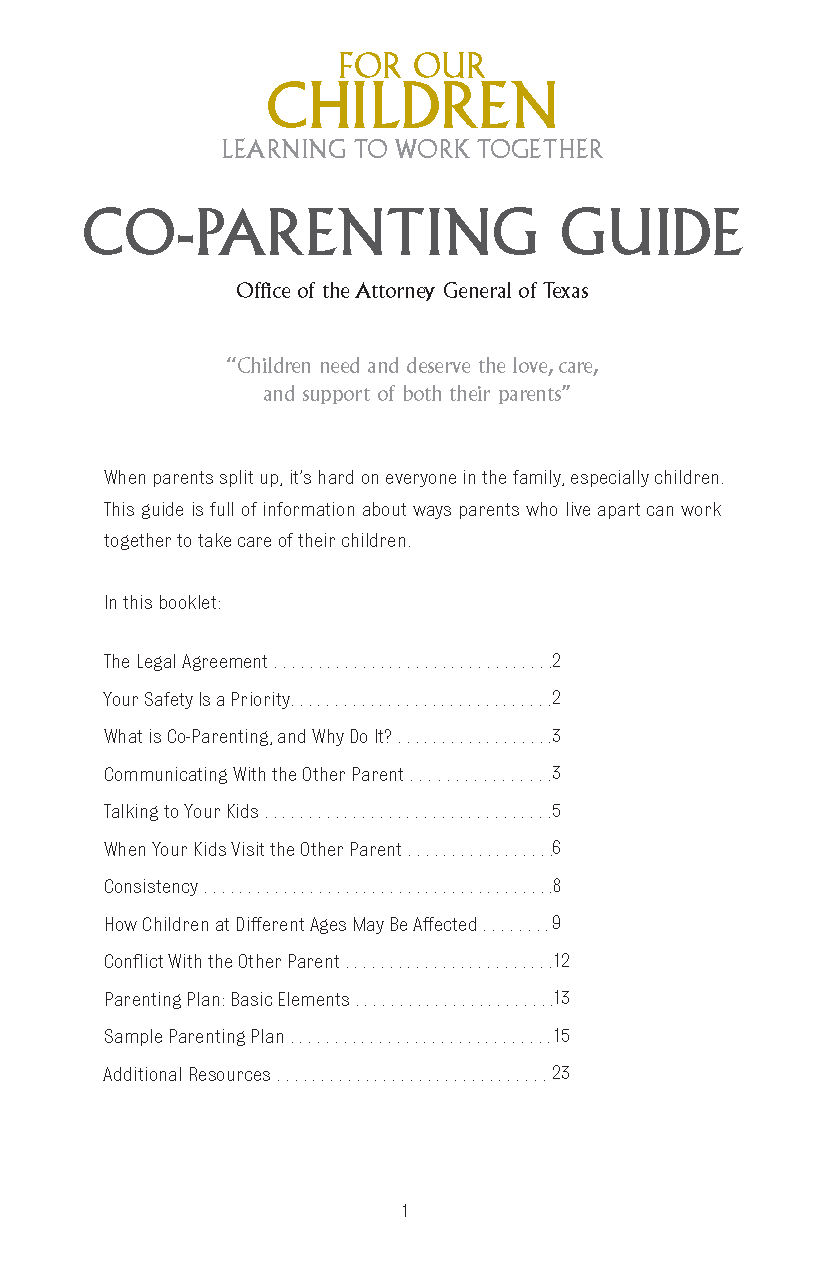
Texas Parenting Plan
Full Conversation
What are my chances of getting full custody of my son?
Lexi, Chatbot
I understand you're concerned about custody of your son. Have there been any previous custody arrangements or legal proceedings in place?
No, but I did get a restraining order for me and my child from the father.
Lexi, Chatbot
Are there specific reasons or concerns that make you believe full custody would be in the best interest of your son?
The father is not stable enough to raise our son nor is he okay to do it.
Lexi, Chatbot
Is there anything else the family lawyer should know before I connect you?
No.
Blake
Hello, my name is Blake, and I am a licensed attorney — I will be happy to help you today! First, how long ago did this happen, and where was it located?
This all happened in Texas, but I left and moved here to Arizona, where I filed the restraining order for me and my son from him. If I'm not wrong, he still lives in Texas. He has not tried to contact me or my family to see his son, nor has he contacted his other daughter in the past week.
Blake
Understood, thank you. How would you like to see this situation resolved?
I want to get full custody of my child since I'm the one caring for him and paying for everything now. Yes, the first four months, the father paid for things, but he wasn't there emotionally or physically. He would yell at him to control his emotions when he would scream and cry, and he’s just a baby.
Blake
Thank you for sharing this — I truly understand how difficult and emotional this situation must be. Based on what you've described, there are several strong factors in your favor when it comes to seeking full custody.
Courts decide custody based on the child’s best interests. Typical factors include (Tex. Fam. Code § 153.002):
- Who provides primary care (you are currently the primary caregiver);
- Stability and safety of each parent’s home;
- History of abuse, neglect, or instability;
- Emotional and physical involvement of each parent;
- Willingness to foster a relationship with the other parent (this may be weighed differently if a protective order exists).
The restraining order is especially significant. If the court in Arizona granted it, that indicates credible concern for your and your child's safety — and that record, plus examples of yelling/instability, can weigh heavily in your favor. The father's lack of contact or involvement also supports your claim for full custody.
One potential issue is jurisdiction because you moved from Texas to Arizona. The Uniform Child Custody Jurisdiction and Enforcement Act (UCCJEA), which both states follow, generally gives jurisdiction to the child’s “home state” (where the child has lived for the last six consecutive months). If you’ve been in Arizona for less than six months, you may need to start in Texas, although Arizona may have emergency jurisdiction because of the restraining order and safety concerns.
I strongly recommend hiring a family law attorney in your area who handles interstate custody issues and protective orders. Many attorneys offer free consultations and can advise on next steps.
I left Texas on Friday, May 23, 2025. I do have one more question — if I did get full custody, would I be able to get child support, or will that not help me win the case?
Blake
Yes — if you are granted full custody of your child, you can absolutely request child support from the father. Child support and custody are legally separate issues. Custody is decided based on the child’s best interests; child support is calculated based on the parents’ incomes and the child’s needs. The court expects both parents to contribute financially, regardless of emotional or physical involvement.
Asking for child support will not hurt your custody case. The father’s past failure to pay can actually support your position that you’ve been the stable, responsible parent. Once jurisdiction is established (whether in Texas or Arizona), you can typically address custody and support together in the same filing. Discuss both issues with a family law attorney in your area.
I hope I was able to answer your question. If you want further help, consider speaking with a local family law attorney who can evaluate your documents (restraining order, any evidence) and file in the correct jurisdiction.
Disclaimer
By messaging AskaLawyer.com, you agree to ourĀ Terms and have read ourĀ Privacy Policy.
The information provided on AskaLawyer.com is for general informational purposes only and does not constitute legal advice. While we strive to ensure the accuracy and timeliness of the information presented, we make no guarantees regarding its completeness or applicability to your specific circumstances.
Use of this website does not create an attorney-client relationship between you and AskaLawyer.com or any of its attorneys. Communications through this website, including any responses from attorneys, are not privileged or confidential. For advice tailored to your individual situation, we recommend consulting a licensed attorney in your jurisdiction.
AskaLawyer.com disclaims any liability for actions taken or not taken based on the content of this site. We are not responsible for any third-party content that may be accessed through this website. Reliance on any information provided herein is solely at your own risk.