My customer is not paying his invoices. Am I able to take him to court even if there is no written contract?

Hello, I have an issue with a customer not paying his invoices.

14

4

Angelo M
Angelo M

14,444 satisfied customers

View context
Solved

Yes, you can still take your customer to court even if you don’t have a written contract.

While having a written agreement makes things clearer and often easier to prove, the law generally recognizes that contracts can be oral or implied based on the actions and circumstances between the parties.

If you provided goods or services and the customer accepted them and didn’t pay, that can create what’s called an implied contract or a contract based on “quantum meruit” — meaning you deserve payment for the value of the work or goods provided.

In court, you would need to prove that there was an agreement—written, oral, or implied—that you would be paid. Evidence like invoices, communications, emails, text messages, or witness testimony can help.

The absence of a written contract does not bar you from pursuing a claim.

0

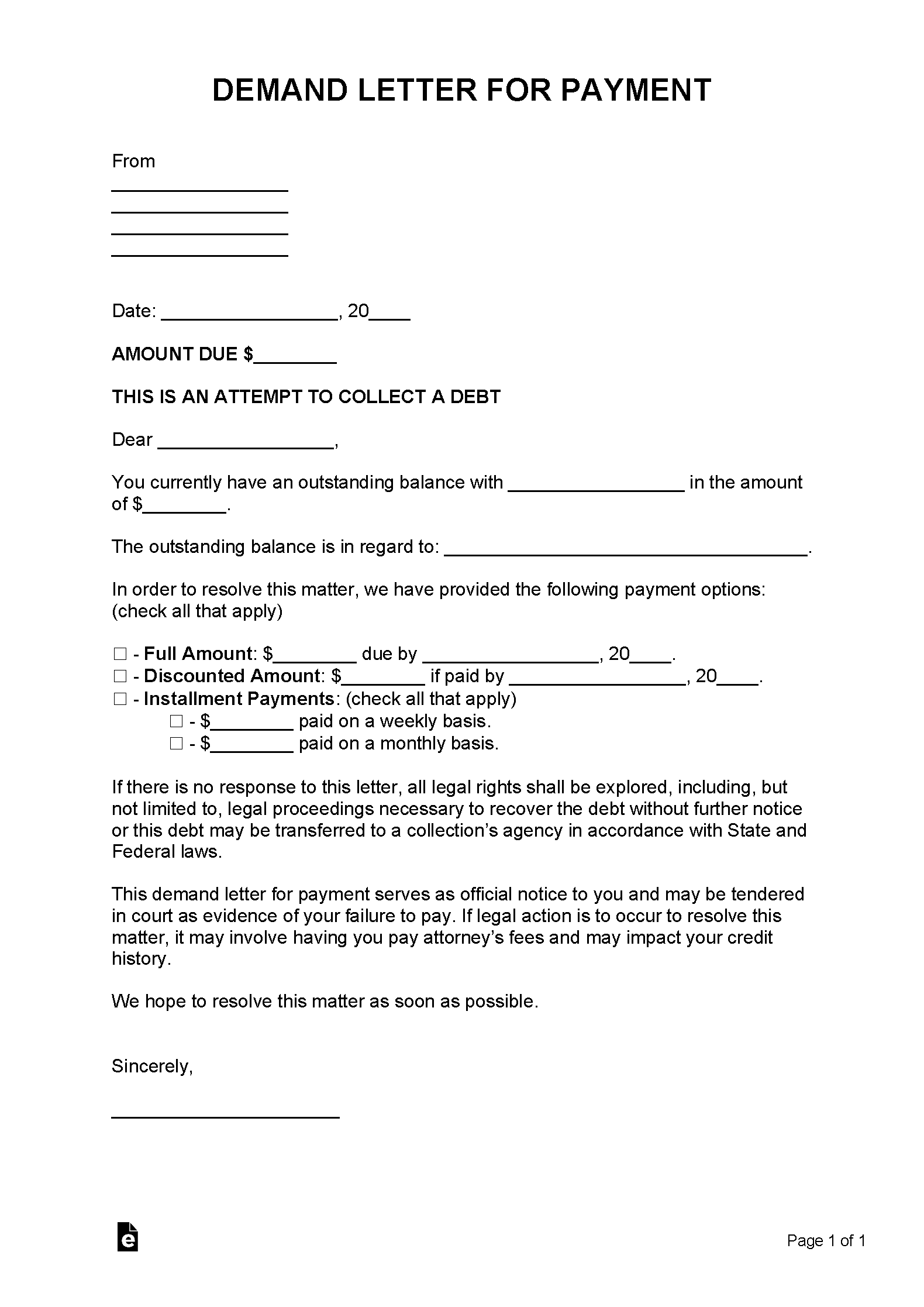
Demand Letter for Payment

Full Conversation


Hello, I have an issue with a customer not paying his invoices.

AI

I'm sorry to hear about the issue with your customer not paying invoices. Have you tried sending any reminders or follow-up emails?

I have sent multiple reminders and invoices.

AI

How many invoices are currently outstanding from this customer?

2.

AI

Is there anything else the Lawyer should know before I connect you? Rest assured they'll be able to help with your unpaid invoices.

I have put liens on his properties.

Angelo M

Greetings!

I hope this message finds you well. I am the expert assisting you. I'm thrilled to have the opportunity to assist you with your situation and provide you with the support you need. Just as a reminder, please remember to respond to all my messages so I don’t lose you and so we don’t get disconnected. Thank you for your patience, and I look forward to working with you.

Angelo M

When a customer defaults on payment, especially on invoices tied to services or goods provided, putting a lien on their property can be a powerful tool to secure your debt, but it has to be done properly following the applicable state laws where the property is located.

Generally, a lien is a legal claim or hold on the property, which prevents the owner from selling or refinancing it without paying off the lien first. However, just placing the lien may not be enough to get paid — it often involves a formal filing process, notice to the customer, and sometimes a legal proceeding to enforce or foreclose on the lien if payment is still not made.

Depending on the type of lien (mechanic’s lien, materialman’s lien, or other judgment liens), there are deadlines and procedures you must strictly follow, including sending notices and filing the lien within a certain timeframe after the work or delivery.

If you haven’t already, it’s crucial to verify that your liens comply fully with local laws to avoid them being challenged or invalidated.

Also, you might want to consider pursuing a formal lawsuit to obtain a money judgment, which can then lead to wage garnishment or bank levies if the lien does not prompt payment.

If the customer still refuses to pay, a court enforcement of the lien or judgment may be necessary.

We don’t have a written contract. Am I still able to take him to court?

Angelo M

Yes, you can still take your customer to court even if you don’t have a written contract.

While having a written agreement makes things clearer and often easier to prove, the law generally recognizes that contracts can be oral or implied based on the actions and circumstances between the parties.

If you provided goods or services and the customer accepted them and didn’t pay, that can create what’s called an implied contract or a contract based on “quantum meruit” — meaning you deserve payment for the value of the work or goods provided.

In court, you would need to prove that there was an agreement—written, oral, or implied—that you would be paid. Evidence like invoices, communications, emails, text messages, or witness testimony can help.

The absence of a written contract does not bar you from pursuing a claim.

Without a written contract can I charge interest on overdue balances?

Angelo M

That’s a really good question. Generally, charging interest on overdue balances without a written contract can be tricky.

Courts usually won’t allow interest unless:

  • the parties agreed to it (written or oral), or
  • your invoices stated interest terms, or
  • your state allows statutory interest.

If none of those apply, a court may only award the principal amount.

Thank you.

Angelo M

Angelo M

14,444 satisfied customers

Criminal law, employment law, family law, landlord-tenant, and real estate law.

Angelo M
Welcome! Have a similar question?

5 lawyers online now

Disclaimer


By messaging AskaLawyer.com, you agree to our Terms and have read our Privacy Policy.

The information provided on AskaLawyer.com is for general informational purposes only and does not constitute legal advice. While we strive to ensure the accuracy and timeliness of the information presented, we make no guarantees regarding its completeness or applicability to your specific circumstances.

Use of this website does not create an attorney-client relationship between you and AskaLawyer.com or any of its attorneys. Communications through this website, including any responses from attorneys, are not privileged or confidential. For advice tailored to your individual situation, we recommend consulting a licensed attorney in your jurisdiction.

AskaLawyer.com disclaims any liability for actions taken or not taken based on the content of this site. We are not responsible for any third-party content that may be accessed through this website. Reliance on any information provided herein is solely at your own risk.

Ask a Lawyer Logo
Ask a Lawyer Logo
Intake Questions
Step of 3
Loading...
Loading...

How do you like to pay?

By proceeding with payment, you agree to our Terms and Privacy Policy. You authorize us to charge $ today and $ thereafter until canceled. You may cancel anytime in the My Account section to stop future charges.

Total Due:

After purchasing, your chat will begin with an attorney.

By proceeding with payment, you agree to our Terms and Privacy Policy. You authorize us to charge $ today and $ thereafter until canceled. You may cancel anytime in the My Account section to stop future charges.

Total Due:

After purchasing, your chat will begin with an attorney.

It looks like you already have an account with Ask a Lawyer.

We have sent you a magic link to . Click the link in your email to sign in and continue your chat.

spin

Step of 6 •

You'll receive an email at as soon as the lawyer joins the conversation 🙏🏻😊

Over 90% of lawyers connect within 5 minutes. If you're not online at that moment, don't worry — the lawyer will reply to your message while you're away.

You're also welcome to stay in the chat while waiting to be connected 💬✨

Waiting for lawyer