How do I do an investment agreement?
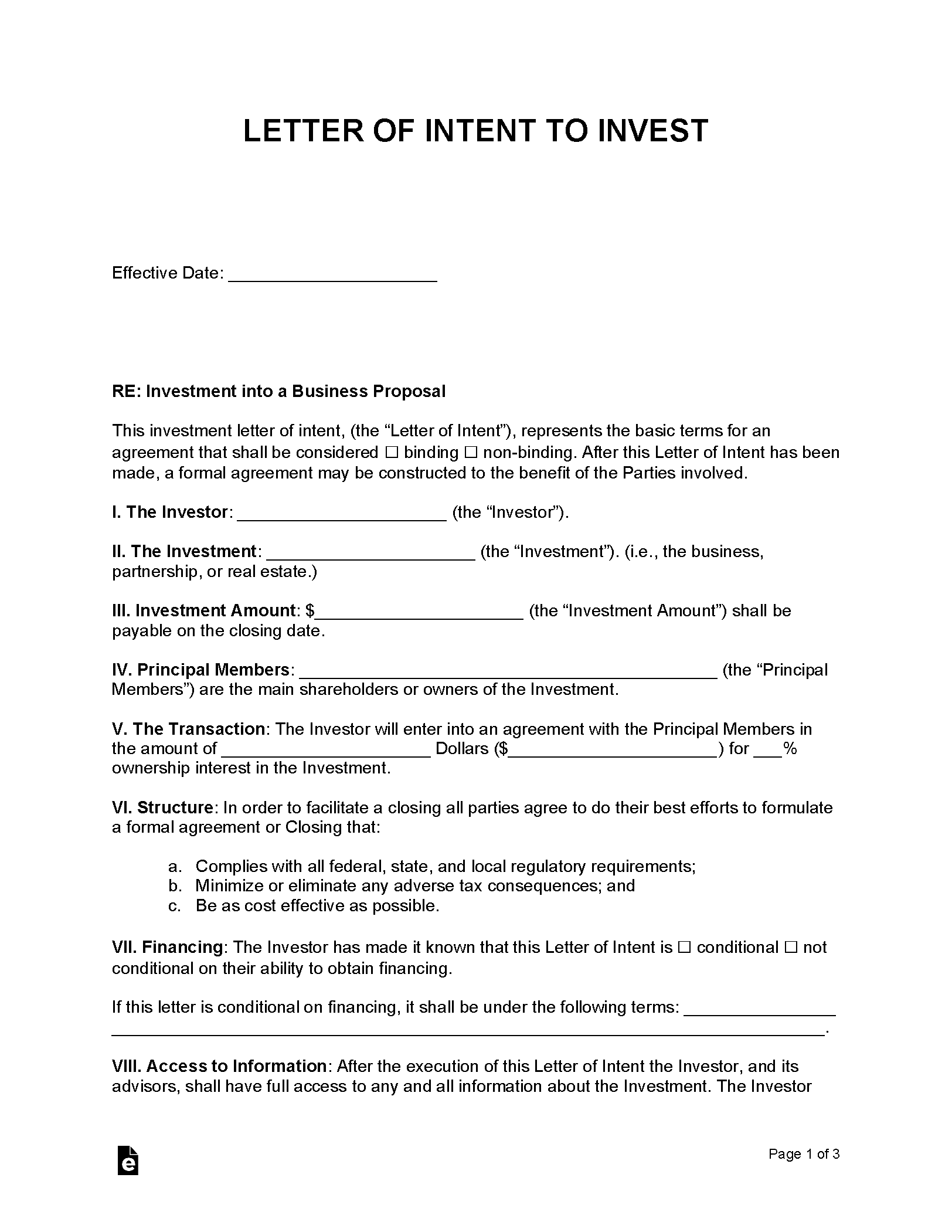
To create a solid investment agreement for a $400,000 investment with a 5% profit-sharing arrangement, it’s important to carefully outline all relevant terms in a way that both parties understand their rights, responsibilities, and expectations.
The agreement should start by clearly identifying the parties involved, ensuring the legal names, addresses, and roles of the investor and the business entity or individual receiving the investment are specified. This will establish who is putting in the $400,000 and who is receiving it.
You should then explain the purpose of the investment, ensuring it’s clear whether the investor is receiving equity, such as shares or ownership stakes, or simply a percentage of the profits from business operations. In your case, the investor’s $400,000 investment would likely be for a share of profits, not equity ownership, so it’s crucial to explicitly state that the investor will receive 5% of the profits made by the business.
Next, the agreement should define the profit-sharing arrangement in more detail. This means clarifying how profits will be calculated—whether it's gross or net income—and how and when the investor will receive their 5% share. This could be quarterly, annually, or based on another agreed-upon period. Payment terms should also be laid out clearly. It’s important to specify whether the 5% profit share will be paid out in cash or reinvested into the business, along with how and when these payments will occur. The agreement should also address any conditions tied to the payments, such as after-tax profits, and include language on the investor’s right to access financial records or information about the company’s performance.
The duration of the investment agreement should also be discussed. This section should specify how long the agreement will last, such as for a fixed term or for as long as the investor holds an interest in the company. The agreement should also provide for how either party can exit or terminate the agreement, especially if certain milestones or conditions are not met. In particular, you should define how the investor can exit the agreement, whether through selling their stake, receiving a buyout, or another option.
Additionally, the agreement should include a dispute resolution clause, such as mediation or arbitration, to address any conflicts that may arise between the investor and the business. This can prevent costly legal battles down the road.
Finally, you may want to include a confidentiality clause, especially if proprietary information or sensitive business operations will be shared with the investor. You might also consider adding a non-compete clause, which would prevent the investor from using the knowledge gained through their investment to launch a competing business in the future.
0
Full Conversation
How do I do an investment agreement?
Lexi, Chatbot
I understand you need help with an investment agreement. Are you looking to draft a new agreement or review an existing one?
New
Lexi, Chatbot
Is there anything else the Lawyer should know before I connect you? Rest assured they’ll be able to help with your investment agreement.
Someone is investing in me $400,000 to buy in a company and for payment it will be 5% of profit I make from the company.
Angelo M
Greetings! My name is Angelo, and I'm an experienced and licensed attorney with over 40+ years of practice in the field of Law.
Angelo M
To create a solid investment agreement for a $400,000 investment with a 5% profit-sharing arrangement, it’s important to carefully outline all relevant terms in a way that both parties understand their rights, responsibilities, and expectations.
The agreement should start by clearly identifying the parties involved, ensuring the legal names, addresses, and roles of the investor and the business entity or individual receiving the investment are specified. This will establish who is putting in the $400,000 and who is receiving it.
You should then explain the purpose of the investment, ensuring it’s clear whether the investor is receiving equity, such as shares or ownership stakes, or simply a percentage of the profits from business operations. In your case, the investor’s $400,000 investment would likely be for a share of profits, not equity ownership, so it’s crucial to explicitly state that the investor will receive 5% of the profits made by the business.
Next, the agreement should define the profit-sharing arrangement in more detail. This means clarifying how profits will be calculated—whether it's gross or net income—and how and when the investor will receive their 5% share. This could be quarterly, annually, or based on another agreed-upon period. Payment terms should also be laid out clearly. It’s important to specify whether the 5% profit share will be paid out in cash or reinvested into the business, along with how and when these payments will occur. The agreement should also address any conditions tied to the payments, such as after-tax profits, and include language on the investor’s right to access financial records or information about the company’s performance.
The duration of the investment agreement should also be discussed. This section should specify how long the agreement will last, such as for a fixed term or for as long as the investor holds an interest in the company. The agreement should also provide for how either party can exit or terminate the agreement, especially if certain milestones or conditions are not met. In particular, you should define how the investor can exit the agreement, whether through selling their stake, receiving a buyout, or another option.
Additionally, the agreement should include a dispute resolution clause, such as mediation or arbitration, to address any conflicts that may arise between the investor and the business. This can prevent costly legal battles down the road.
Finally, you may want to include a confidentiality clause, especially if proprietary information or sensitive business operations will be shared with the investor. You might also consider adding a non-compete clause, which would prevent the investor from using the knowledge gained through their investment to launch a competing business in the future.
Angelo M
I hope I was able to help you and answer all of your questions and concerns. Is there any part of my response that you need clarification on or any further information? Did you have any other questions on this subject for me today?
Thank you!
Angelo M
You’re very welcome! Thank you so much and Happy New Year to you and your extended family!! Thank you so much for giving me the opportunity to assist you, and please don't hesitate to reach out if you have any further questions or concerns.
Thank you for your time as well! Thank you for using AskaLawyer! It was my pleasure assisting you with your situation. If you have any more questions, please feel free to reach out to me by requesting me in a new question. Remember to open a new question thread, not reply to this one. Take care, and have a great day!
Disclaimer
By messaging AskaLawyer.com, you agree to our Terms and have read our Privacy Policy.
The information provided on AskaLawyer.com is for general informational purposes only and does not constitute legal advice. While we strive to ensure the accuracy and timeliness of the information presented, we make no guarantees regarding its completeness or applicability to your specific circumstances.
Use of this website does not create an attorney-client relationship between you and AskaLawyer.com or any of its attorneys. Communications through this website, including any responses from attorneys, are not privileged or confidential. For advice tailored to your individual situation, we recommend consulting a licensed attorney in your jurisdiction.
AskaLawyer.com disclaims any liability for actions taken or not taken based on the content of this site. We are not responsible for any third-party content that may be accessed through this website. Reliance on any information provided herein is solely at your own risk.