How do I dissolve a single proprietor LLC that also has a registered agent attached to it?
Dissolving a single-member LLC, even if you have a registered agent, involves a few important steps to make sure everything is handled properly.
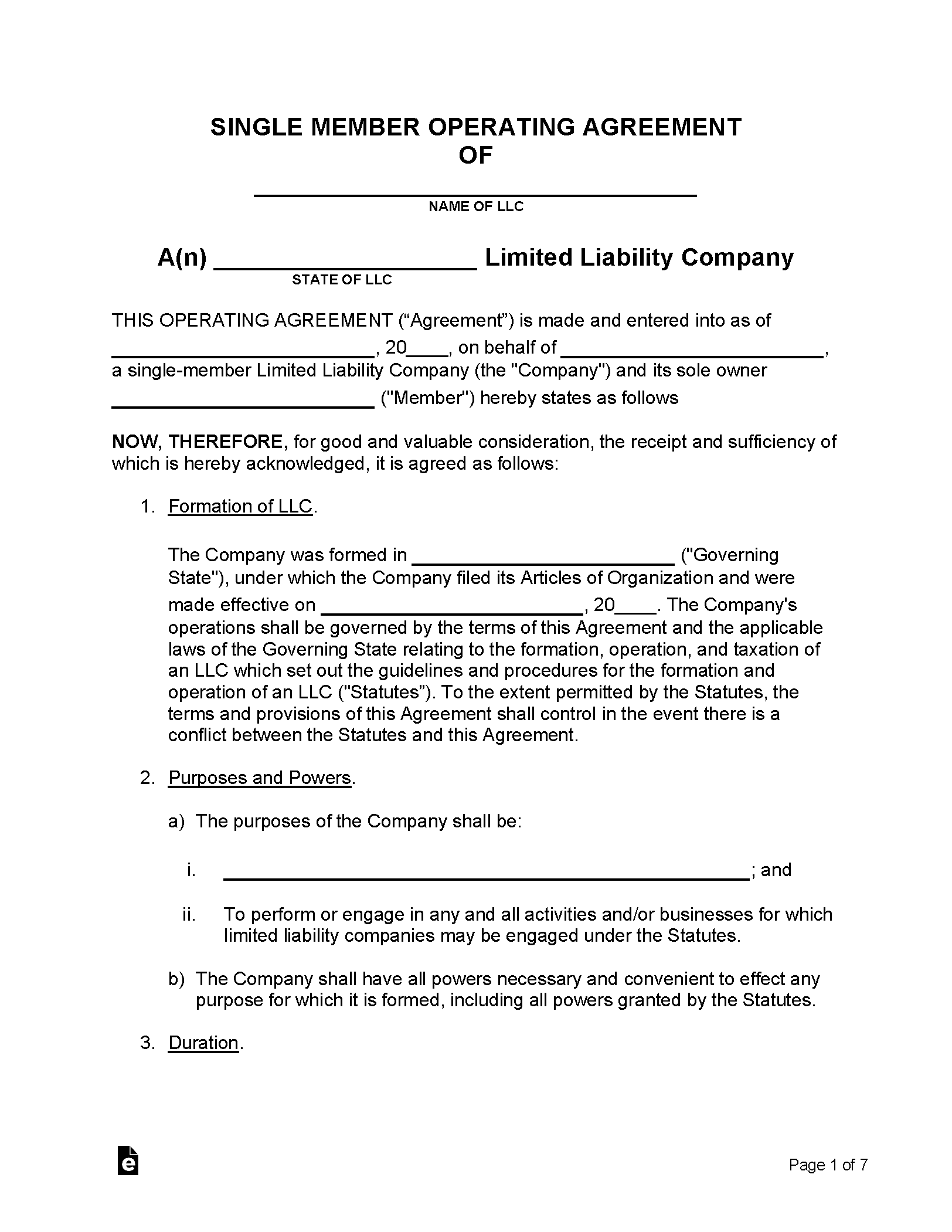
Start by reviewing your operating agreement. Even though you’re the only member, this document usually outlines how to dissolve the business and how to handle any assets or debts. While you don’t need to hold a formal vote, it’s still a good idea to document your decision to dissolve the LLC.
From there, begin winding down the business. This means stopping all operations right away and notifying any creditors, suppliers, or others you owe money to. Send them a written notice explaining that the business is closing, where to send claims, and by when. This helps protect you from personal liability down the line. You’ll also need to take care of any outstanding debts and contracts.
Don’t forget about taxes—notify the IRS and the state tax agency that you’re closing the business, and file your final tax returns. That might include checking the “final return” box on forms like Schedule C (for sole proprietorships) or Form 1120/1120-S (if you elected corporate taxation).
Next, cancel all business licenses, permits, and registrations at every level—federal, state, and local. Once you’ve paid off your debts and distributed any remaining assets to yourself, close the business’s bank accounts. It’s also a good idea to let your registered agent know you’re dissolving the LLC, so they don’t expect to keep receiving documents on its behalf.
To officially dissolve the LLC, file Articles of Dissolution with the Secretary of State. You can do this online or by mail, and the filing fee is usually under $50. You’ll need to provide your LLC’s name, document number, and reason for dissolving (typically “voluntary” in a single-member LLC).
Finally, keep thorough records of everything—creditor notices, tax filings, and your Articles of Dissolution—in case you need them in the future.
0
Single Member LLC Operating Agreement
Full Conversation
How do I dissolve a single proprietor LLC that also has a registered agent attached to it?
Lexi, Chatbot
I understand you’re looking to dissolve a single proprietor LLC with a registered agent. Have you already taken any steps toward dissolving the LLC?
Yes, I have, but I want to know—for future reference—whether I should put any trust in the people I am dealing with.
Lexi, Chatbot
Are there any specific reasons or circumstances prompting you to dissolve the LLC at this time?
Not meeting expectations, but that is a separate issue. My concern now is if or when I decide to establish another LLC, should I deal with the same people.
Lexi, Chatbot
Is there anything else the lawyer should know before I connect you? Rest assured they’ll be able to help with your concerns.
Yes.
Jon
Hello and thank you for reaching out! I’m Jon, a licensed attorney with over 13 years of experience, and I’m here to help.
You are the LLC owner, I presume? And what state is it formed in?
Jon
I need an answer to my question about what state the LLC is in to assist you. Can you provide that?
In which state did you set up your LLC? The process for dissolving it depends on that state’s laws.
Jon
Since I haven't heard from you, here's a generalized guide for dissolving a single-member LLC.
Jon
Dissolving a single-member LLC, even if you have a registered agent, involves a few important steps to make sure everything is handled properly.
Start by reviewing your operating agreement. Even though you’re the only member, this document usually outlines how to dissolve the business and how to handle any assets or debts. While you don’t need to hold a formal vote, it’s still a good idea to document your decision to dissolve the LLC.
From there, begin winding down the business. This means stopping all operations right away and notifying any creditors, suppliers, or others you owe money to. Send them a written notice explaining that the business is closing, where to send claims, and by when. This helps protect you from personal liability down the line. You’ll also need to take care of any outstanding debts and contracts.
Don’t forget about taxes—notify the IRS and the state tax agency that you’re closing the business, and file your final tax returns. That might include checking the “final return” box on forms like Schedule C (for sole proprietorships) or Form 1120/1120-S (if you elected corporate taxation).
Next, cancel all business licenses, permits, and registrations at every level—federal, state, and local. Once you’ve paid off your debts and distributed any remaining assets to yourself, close the business’s bank accounts. It’s also a good idea to let your registered agent know you’re dissolving the LLC, so they don’t expect to keep receiving documents on its behalf.
To officially dissolve the LLC, file Articles of Dissolution with the Secretary of State. You can do this online or by mail, and the filing fee is usually under $50. You’ll need to provide your LLC’s name, document number, and reason for dissolving (typically “voluntary” in a single-member LLC).
Finally, keep thorough records of everything—creditor notices, tax filings, and your Articles of Dissolution—in case you need them in the future.
Jon
A registered agent for an LLC is a person or entity designated to receive official legal and tax documents on behalf of the LLC. They act as a point of contact between the LLC and the state, ensuring important paperwork is received and forwarded promptly.
They have nothing to do with dissolving the company and have no ownership interest. They have no say in dissolving the company at all.
If you are not happy with the registered agent, you do not have to use them for any other company you start in the future. But with the limited details provided, this is what I can share so far. If you have anything further to add, feel free to share more information so I can give a more precise answer.
Disclaimer
By messaging AskaLawyer.com, you agree to our Terms and have read our Privacy Policy.
The information provided on AskaLawyer.com is for general informational purposes only and does not constitute legal advice. While we strive to ensure the accuracy and timeliness of the information presented, we make no guarantees regarding its completeness or applicability to your specific circumstances.
Use of this website does not create an attorney-client relationship between you and AskaLawyer.com or any of its attorneys. Communications through this website, including any responses from attorneys, are not privileged or confidential. For advice tailored to your individual situation, we recommend consulting a licensed attorney in your jurisdiction.
AskaLawyer.com disclaims any liability for actions taken or not taken based on the content of this site. We are not responsible for any third-party content that may be accessed through this website. Reliance on any information provided herein is solely at your own risk.