[NJ] [NJ] How do I add a profit-sharing only partner to my LLC?
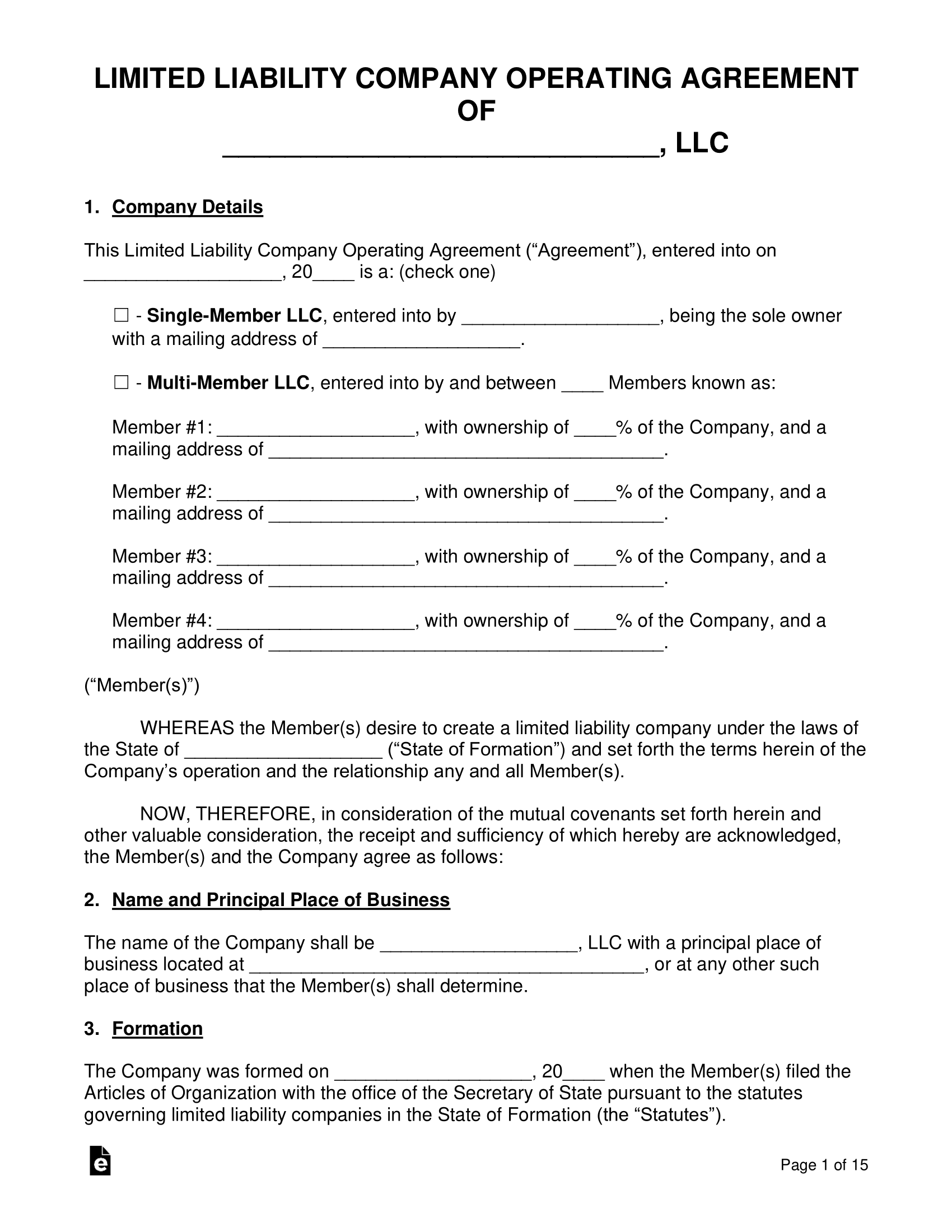
Okay, let’s break down these options for bringing in your new provider. Since your LLC already has three members with specific contribution percentages, integrating a new person who isn’t a full owner but gets a piece of the profits needs to be done carefully so it doesn’t mess up your existing setup. The main thing here is your operating agreement, which is like the rulebook for your LLC.
One option, which you called “strictly profit-sharing,” is pretty straightforward. You’d set up a compensation structure where the new provider gets a percentage of the revenue they personally generate, or a share of the overall practice profits. This can be done through a traditional employment agreement or an independent contractor agreement. The key is that they aren’t members of the LLC, so they don’t have membership rights, voting power, or an ownership interest. They’re essentially paid based on the financial success they bring to the practice.
The other option, where they have some “decision-making power” but not ownership, is a bit more complex. You could designate them as a “non-member manager” in your operating agreement. This means they can be given specific authority to make certain decisions about the practice’s operations, even though they don’t have an ownership stake. This role would typically come with a salary or a fee, and you could combine it with a profit-sharing incentive. It’s important to clearly define the scope of their decision-making authority in the operating agreement to avoid any confusion or conflicts with the existing members’ roles.
Another creative way to incentivize them without giving them ownership is through what’s called “phantom equity” or “synthetic equity.” This isn’t actual ownership. Instead, it’s a contractual right to receive cash payments that are tied to the value of a certain percentage of the LLC, as if they owned it. For example, you could say they have “phantom ownership” of 5% of the LLC. When certain events happen (like the practice selling or reaching a specific profit milestone), they get a cash payment equal to 5% of that value. This gives them a stake in the long-term success of the business without diluting the current members’ ownership or complicating buy-back provisions.
For next steps, I’d suggest you first sit down with your existing LLC members and decide which approach feels right for your practice. Think about how much control you’re comfortable giving up and how closely you want this new provider tied to the overall financial performance. Once you have a general idea, you’d then need to work with an attorney to draft the necessary amendments to your LLC operating agreement or create a new agreement for the provider. This ensures everything is legally sound and protects everyone’s interests. This strategy helps ensure clarity and avoids future disputes by putting everything in writing.
Did I completely answer your question about the options and how much it might cost, and do you need any clarification on what I’ve gone over? Please feel free to ask any follow-up questions.
Thank you for letting me assist you!
0
LLC Operating Agreement
Full Conversation
I am looking to add another provider to our LLC who is not part of the original members. How do I add them to benefit from the profit as a form of incentive but not own a share, or own a share that can be bought back once they decide to leave the company?
Lexi, Chatbot
I understand you’re looking to add a provider to your LLC without giving them ownership. Are you looking to offer them a profit-sharing arrangement instead?
Yes, I am looking to do that, but I don’t know how to structure it, given that it is a member LLC with three original members with specific contribution percentages.
Lexi, Chatbot
Would you like the new provider to have any decision-making power within the company, or are they strictly going to be involved in profit-sharing?
I would prefer strictly profit-sharing. I know they may want some decision-making power, so I would like to explore both to be able to bargain.
Lexi, Chatbot
Is there anything else the corporate lawyer should know before I connect you? Rest assured they’ll be able to help with profit-sharing arrangements.
I would like to be informed of the two options to make an informed decision. I would also like to know how much it may cost to work on it. We are really tight on cash now; we are a startup business.
TJ, Esq.
Hello! My name is TJ and I’m an attorney. Thanks so much for the opportunity to assist you! I’ve gone over the details you shared and I’ll post my initial response shortly. I’ll also post a few quick questions. They’ll help me better understand your situation so I can give you a more complete and tailored answer.
VERY IMPORTANT INFORMATION:
(1) If you don’t hear back from me right away at any time throughout our conversation, please don’t worry — I WILL GET BACK TO YOU! I might be working on your response, helping another customer, or dealing with a tech issue. Depending on what’s happening, it may be several minutes (or more) between messages. That’s normal — you didn’t lose me and our conversation is not over! I’ll always respond. I really appreciate your patience!
(2) This is general legal info only. I can’t represent you or form an attorney-client relationship.
TJ, Esq.
Hi again!
You’re looking into ways to bring on a new provider and share profits without giving them full ownership. You’re considering two main paths: strictly profit sharing, or a setup where they get some decision-making power, and also want to know about potential costs. Let’s discuss this in more detail so I can provide a more thorough response.
What kind of services will this new provider be offering to your LLC?
Are there specific percentages or amounts of profit you’re considering for this new provider, or is that still up in the air?
In which state is your LLC registered?
We just started a new LLC and I am the only provider. I wanted another provider to join me, but they were asking me what is in it for them. And I thought to myself, how can I get them to join me to make it work.
Our member LLC is in the state of New Jersey.
We are a primary care practice; they will be seeing patients in the practice.
We are still a startup. We have completed some credentialing with some insurance payers and are still waiting on some. We thought this would be the best time to add another provider.
TJ, Esq.
Okay, let’s break down these options for bringing in your new provider. Since your LLC already has three members with specific contribution percentages, integrating a new person who isn’t a full owner but gets a piece of the profits needs to be done carefully so it doesn’t mess up your existing setup. The main thing here is your operating agreement, which is like the rulebook for your LLC.
One option, which you called “strictly profit-sharing,” is pretty straightforward. You’d set up a compensation structure where the new provider gets a percentage of the revenue they personally generate, or a share of the overall practice profits. This can be done through a traditional employment agreement or an independent contractor agreement. The key is that they aren’t members of the LLC, so they don’t have membership rights, voting power, or an ownership interest. They’re essentially paid based on the financial success they bring to the practice.
The other option, where they have some “decision-making power” but not ownership, is a bit more complex. You could designate them as a “non-member manager” in your operating agreement. This means they can be given specific authority to make certain decisions about the practice’s operations, even though they don’t have an ownership stake. This role would typically come with a salary or a fee, and you could combine it with a profit-sharing incentive. It’s important to clearly define the scope of their decision-making authority in the operating agreement to avoid any confusion or conflicts with the existing members’ roles.
Another creative way to incentivize them without giving them ownership is through what’s called “phantom equity” or “synthetic equity.” This isn’t actual ownership. Instead, it’s a contractual right to receive cash payments that are tied to the value of a certain percentage of the LLC, as if they owned it. For example, you could say they have “phantom ownership” of 5% of the LLC. When certain events happen (like the practice selling or reaching a specific profit milestone), they get a cash payment equal to 5% of that value. This gives them a stake in the long-term success of the business without diluting the current members’ ownership or complicating buy-back provisions.
For next steps, I’d suggest you first sit down with your existing LLC members and decide which approach feels right for your practice. Think about how much control you’re comfortable giving up and how closely you want this new provider tied to the overall financial performance. Once you have a general idea, you’d then need to work with an attorney to draft the necessary amendments to your LLC operating agreement or create a new agreement for the provider. This ensures everything is legally sound and protects everyone’s interests. This strategy helps ensure clarity and avoids future disputes by putting everything in writing.
Did I completely answer your question about the options and how much it might cost, and do you need any clarification on what I’ve gone over? Please feel free to ask any follow-up questions.
Thank you for letting me assist you!
This provider was willing to work part-time if we agreed to work together, but she needed to know what’s in it for her.
TJ, Esq.
That’s a common situation, especially with part-time providers. They’re looking for incentives that make it worth their while, since they aren’t committing to a full-time role or ownership.
For a part-time provider in a primary care setting, the profit-sharing models we discussed can be easily adapted. The simplest approach is often a percentage of collections or revenue generated by that specific provider. For example, you could offer them 40% or 50% of what they bill and collect for the patient visits they handle. This directly ties their income to their effort and productivity, which can be a strong incentive.
Another option is a fixed hourly rate plus a bonus structure tied to performance or overall practice profitability. So, they’d get a set amount for each hour they work and then an additional bonus if the practice hits certain financial targets or if their personal productivity exceeds a certain threshold. This provides a baseline income while still offering an upside.
When it comes to decision-making, it’s less common for a part-time provider to have significant operational authority, especially if they’re not a full member. However, you could involve them in decisions related to their direct patient care or specific protocols within their area of expertise. This could be done informally through regular meetings or by designating them to a specific committee if your practice is large enough. If you were to give them a formal non-member manager role, as we discussed, you’d need to clearly define the limited scope of their authority, since they’re only working part-time.
The cost for the legal work to set this up would largely depend on how complex you want the arrangement to be and how much your current operating agreement needs to be modified. A simple addendum to an employment or independent contractor agreement is generally less expensive than a significant overhaul of your LLC’s operating agreement to include new manager roles or complex phantom equity provisions. Since you’re a startup and tight on cash, starting with a straightforward percentage of collections model for an independent contractor is often the most cost-effective way to bring on a part-time provider, since it requires fewer changes to your core LLC documents.
Did I fully address your concerns about incentivizing a part-time provider, and are you wondering about anything else?
Wow!! Your response was quite informative. Thank you so much.
I have another question, but let me think.
I think the idea of “phantom equity” or “synthetic equity” may be quite appealing. Besides, we don’t have the market now to start paying hourly wages.
Profit-sharing models and offering them 40% or 50% of the profit could also be a great idea.
I want to try and explore both. I would like some insight into these two options.
TJ, Esq.
Thanks for the compliment, I’m glad I could provide some helpful information! It’s smart to explore both phantom equity and direct profit sharing, since they each have their pros and cons.
Let’s dive into these two options so you can get a better feel for them.
First, direct profit sharing. This is exactly what it sounds like. You, as the LLC, would pay out a portion of your net profits directly to the provider. This could be a fixed percentage, like the 40% or 50% you mentioned, or it could be a tiered system where the percentage changes based on how well the practice does overall, or even how much revenue that specific provider brings in. The great thing about this is its simplicity. It’s a clear financial incentive. The provider sees a direct link between the practice’s success (or their individual success) and their paycheck. It’s also pretty flexible for your LLC, since you’re only paying out when there are profits to share. However, the downside is that if the practice has a slow period, their payout could be lower, which might affect their motivation or retention. Also, you’d need to define “profit” very clearly in an agreement (is it gross profit, net profit after all expenses, etc.).
Now, let’s talk about phantom equity or synthetic equity. This is a bit more sophisticated. With phantom equity, you’re not giving the provider any actual ownership units in your LLC. Instead, you’re giving them a contractual right to receive a cash payment that’s tied to the value of a hypothetical “unit” or percentage of your LLC. Think of it like this: you’re creating a fake share that tracks the value of your real LLC. If your LLC’s value goes up, the value of that “phantom unit” goes up.
The payout for phantom equity usually happens when certain “trigger events” occur. These could be things like the sale of the entire practice, reaching specific financial milestones (like a certain annual revenue or profit target), or even after a set number of years of service. You’d define how the LLC’s value is determined at the time of payout (e.g., based on an appraisal, a multiple of earnings, etc.). The provider doesn’t have any voting rights or member benefits, and they don’t get a K-1 for tax purposes like an actual owner would. Instead, when they get paid out, that money is typically taxed as ordinary income, like a bonus.
The appeal of phantom equity is that it gives the provider a long-term incentive to help grow the value of the entire practice, not just their individual revenue. It aligns their interests with the owners’ interests without diluting your ownership. It’s also a good retention tool, since the payouts often vest over time, meaning they have to stay with the company for a certain period to fully earn their phantom units. The main thing to keep in mind is that when a payout event occurs, your LLC needs to have the cash available to make that payment.
You’d definitely want to make sure your operating agreement is updated to reflect whatever structure you choose for this new provider, whether it’s direct profit sharing or phantom equity, to avoid any confusion down the road.
Did I completely answer your question about these two options, and do you need any clarification, or do you have any follow-up questions?
And if they agree, what will be my next channel to get it drafted and signed? Is there a discount through you guys to get a lawyer?
TJ, Esq.
Thanks for the kind words, I appreciate it! It’s good that you’re thinking carefully about these options, since both profit sharing and phantom equity can be really effective.
If you and the potential new provider agree on either a direct profit-sharing model or a phantom equity plan, your next step is to get the agreement professionally drafted and signed. This isn’t something you want to do with a casual handshake. Since your LLC already has an operating agreement, you’d likely need an amendment to that agreement, or a separate, detailed contract with the new provider that references and aligns with your operating agreement. This document will clearly lay out the terms, percentages, triggers for payout (for phantom equity), and any other specifics to avoid misunderstandings down the road.
As for finding a lawyer, unfortunately, I can’t refer you to a specific one or offer discounts. My purpose is to give you information, not to act as a referral service or provide direct legal representation. However, I can give you some suggestions on how to find an attorney who can help with this.
First, I’d suggest contacting your local county bar association in New Jersey. They often have lawyer referral services that can connect you with attorneys specializing in business law or corporate law. These services usually screen attorneys to make sure they’re qualified in the area you need help with.
Another great option is to search online legal marketplaces or directories. Websites like Avvo dot com or Lawyers dot com allow you to search for attorneys by practice area (like “LLC,” “business law,” or “corporate law”) and location. You can often see reviews from other clients, and many attorneys offer free initial consultations, which would be a good chance for you to discuss your specific needs and get an idea of their approach and fees without a big commitment.
For costs, attorneys typically charge for this kind of work in a few ways. Some might offer a flat fee for drafting an amendment to an operating agreement or a new contract, especially if it’s relatively straightforward. This can range from a few hundred dollars to over a thousand, depending on the complexity. Others charge an hourly rate. Since you mentioned you’re a startup and tight on cash, you’ll want to be upfront about your budget during initial consultations. Don’t be afraid to ask about their fee structure and if they offer any options that might fit a startup budget.
Did I completely answer your question about getting it drafted and signed, and how to find a lawyer, or do you need any clarification?
Wow!! Thank you, I am glad I did this inquiry. It has been very informative, I learned a lot. Thank you.
TJ, Esq.
You’re very welcome! I’m happy I could help!
Disclaimer
By messaging AskaLawyer.com, you agree to our Terms and have read our Privacy Policy.
The information provided on AskaLawyer.com is for general informational purposes only and does not constitute legal advice. While we strive to ensure the accuracy and timeliness of the information presented, we make no guarantees regarding its completeness or applicability to your specific circumstances.
Use of this website does not create an attorney-client relationship between you and AskaLawyer.com or any of its attorneys. Communications through this website, including any responses from attorneys, are not privileged or confidential. For advice tailored to your individual situation, we recommend consulting a licensed attorney in your jurisdiction.
AskaLawyer.com disclaims any liability for actions taken or not taken based on the content of this site. We are not responsible for any third-party content that may be accessed through this website. Reliance on any information provided herein is solely at your own risk.