Customer does not want to pay pre-approved work and parts on his boat. What can I do?
In situations where a customer refuses to pay for pre-approved work on their boat, the central legal principle is contract law—particularly the enforceability of either express or implied contracts. If the customer authorized the work either in writing, by email or text, or verbally with clear confirmation (such as approval of an estimate or work order), that authorization forms a binding agreement.
Even if the agreement was not formalized in a traditional contract, courts often recognize a legally enforceable agreement under the doctrines of implied-in-fact or implied-in-law contracts. Under these doctrines, if the customer accepted the benefit of the services with knowledge that they were not being provided gratuitously and failed to object or revoke consent before or during the work, the customer may still be held liable for the reasonable value of the services provided. This is especially true when parts were ordered and installed specifically at the customer’s request or with their acknowledgment.
In addition to breach of contract, you may have a claim for unjust enrichment under common law, which applies when one party receives a benefit at another's expense and it would be inequitable to allow them to retain that benefit without compensation.
Depending on your jurisdiction—Scottsdale, Arizona, for example—you can pursue this claim in small claims court if the amount is below the state limit (currently $3,500), or in civil court for larger amounts. Arizona also allows mechanic’s or artisan’s liens in some cases, which could be recorded against the boat to secure payment. However, the process for doing so must comply strictly with state statute (A.R.S. § 33-1000 et seq.), including notice and timing requirements.
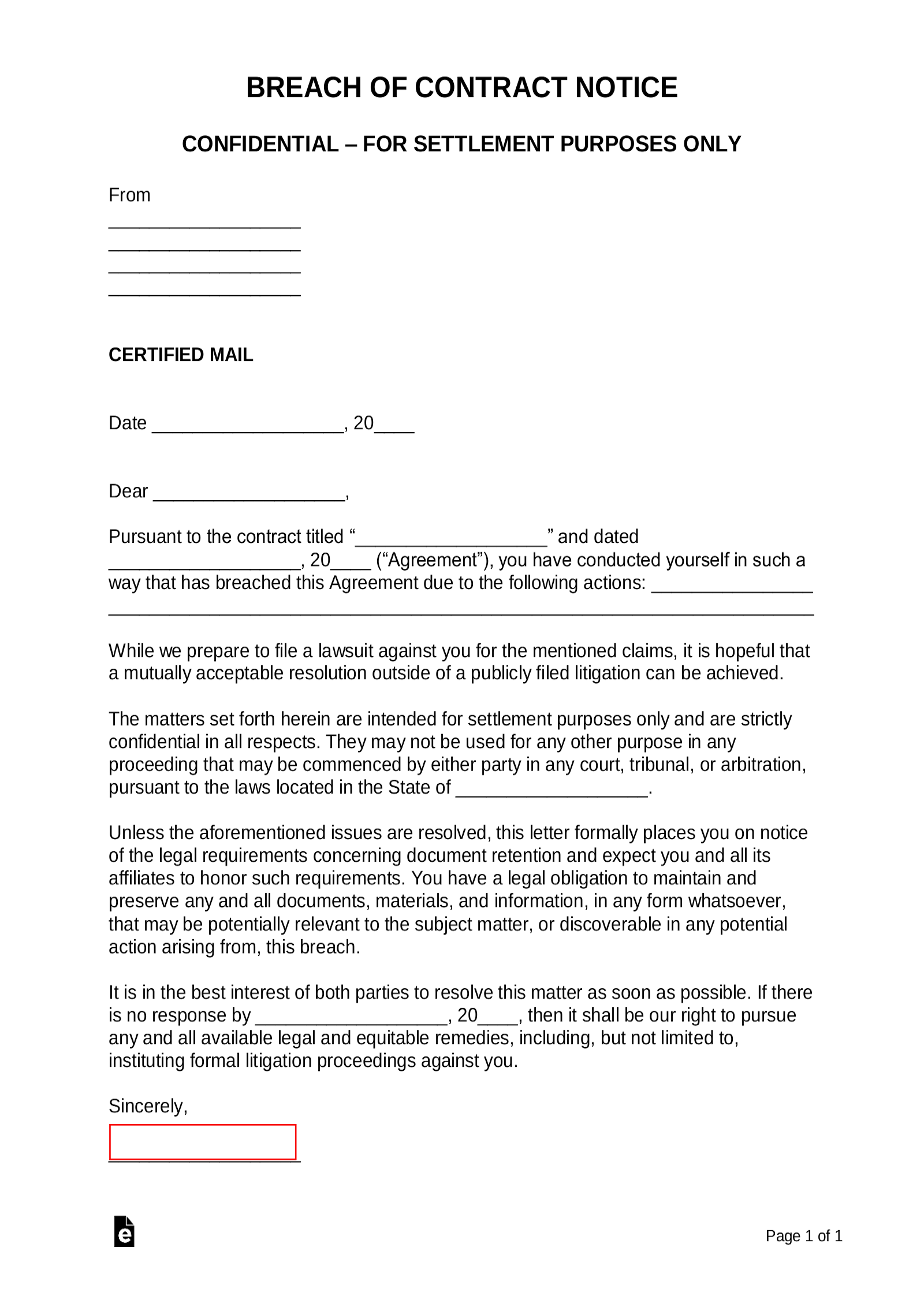
To prepare for enforcement, make sure you document all communications, estimates, invoices, and time logs. If the dispute cannot be resolved informally, a demand letter from an attorney can be an effective next step before initiating litigation.
0
Breach of Contract Demand Letter
Full Conversation
Customer does not want to pay pre-approved work and parts on his boat.
Lexi, Chatbot
I'm sorry to hear about the issue with the pre-approved work on your boat. Have you already discussed this with the service provider?
I own the business that did the work on the boat.
Lexi, Chatbot
Can you provide more details about the pre-approved work and parts that you're being asked to pay for?
The customer we did the work for on his boat does not want to pay us, the service provider.
Lexi, Chatbot
Is there anything else the lawyer should know before I connect you? Rest assured they’ll be able to help with the non-payment issue.
Yes.
Lawyer, Esquire
Good afternoon and welcome to AskALawyer. Please give me a moment to review your question.
Lawyer, Esquire
In situations where a customer refuses to pay for pre-approved work on their boat, the central legal principle is contract law—particularly the enforceability of either express or implied contracts. If the customer authorized the work either in writing, by email or text, or verbally with clear confirmation (such as approval of an estimate or work order), that authorization forms a binding agreement.
Even if the agreement was not formalized in a traditional contract, courts often recognize a legally enforceable agreement under the doctrines of implied-in-fact or implied-in-law contracts. Under these doctrines, if the customer accepted the benefit of the services with knowledge that they were not being provided gratuitously and failed to object or revoke consent before or during the work, the customer may still be held liable for the reasonable value of the services provided. This is especially true when parts were ordered and installed specifically at the customer’s request or with their acknowledgment.
In addition to breach of contract, you may have a claim for unjust enrichment under common law, which applies when one party receives a benefit at another's expense and it would be inequitable to allow them to retain that benefit without compensation.
Depending on your jurisdiction—Scottsdale, Arizona, for example—you can pursue this claim in small claims court if the amount is below the state limit (currently $3,500), or in civil court for larger amounts. Arizona also allows mechanic’s or artisan’s liens in some cases, which could be recorded against the boat to secure payment. However, the process for doing so must comply strictly with state statute (A.R.S. § 33-1000 et seq.), including notice and timing requirements.
To prepare for enforcement, make sure you document all communications, estimates, invoices, and time logs. If the dispute cannot be resolved informally, a demand letter from an attorney can be an effective next step before initiating litigation.
Disclaimer
By messaging AskaLawyer.com, you agree to our Terms and have read our Privacy Policy.
The information provided on AskaLawyer.com is for general informational purposes only and does not constitute legal advice. While we strive to ensure the accuracy and timeliness of the information presented, we make no guarantees regarding its completeness or applicability to your specific circumstances.
Use of this website does not create an attorney-client relationship between you and AskaLawyer.com or any of its attorneys. Communications through this website, including any responses from attorneys, are not privileged or confidential. For advice tailored to your individual situation, we recommend consulting a licensed attorney in your jurisdiction.
AskaLawyer.com disclaims any liability for actions taken or not taken based on the content of this site. We are not responsible for any third-party content that may be accessed through this website. Reliance on any information provided herein is solely at your own risk.