[NJ] [NJ] Can I cancel a student loan after a school closes?
Thank you for clarifying, Jerry — and I completely understand your frustration. It’s incredibly unfair to be left with thousands in debt for services you never received or couldn’t complete because the school closed.
Here’s how to look at your situation from a New Jersey legal perspective:
Here’s What That Means:
1. Meritize Loan & the Closed Bootcamp
Because the bootcamp closed and you couldn’t finish, you may have grounds to dispute or cancel the loan under several legal theories:
- Breach of Contract: If the school failed to deliver the promised program, that’s a breach. You can argue you shouldn’t owe the full loan.
- FTC Holder Rule: Many education-related loans include a clause allowing borrowers to raise the same defenses against the lender that they could against the school. Check your Meritize promissory note for this clause — it’s critical.
- Fraud or Misrepresentation: If the school misrepresented its accreditation, job placement rates, or outcomes, you may have a fraud claim.
- Consumer Protection Complaints:
You can file complaints with:
- New Jersey Division of Consumer Affairs
- Consumer Financial Protection Bureau (CFPB): http://www.consumerfinance.gov/complaint
- Federal Trade Commission (FTC): For deceptive business practices
- Closed-School Loan Relief: While federal closed-school discharge only applies to federal loans, some private lenders (like Meritize) have voluntarily offered similar relief. Demand a written explanation from Meritize on why they are still holding you responsible despite the school’s closure.
2. Second Bootcamp & Affidavit of Forgery
You also mentioned a second tech bootcamp and that they’re asking for an affidavit of forgery.
If you believe your signature or information was used fraudulently, do this:
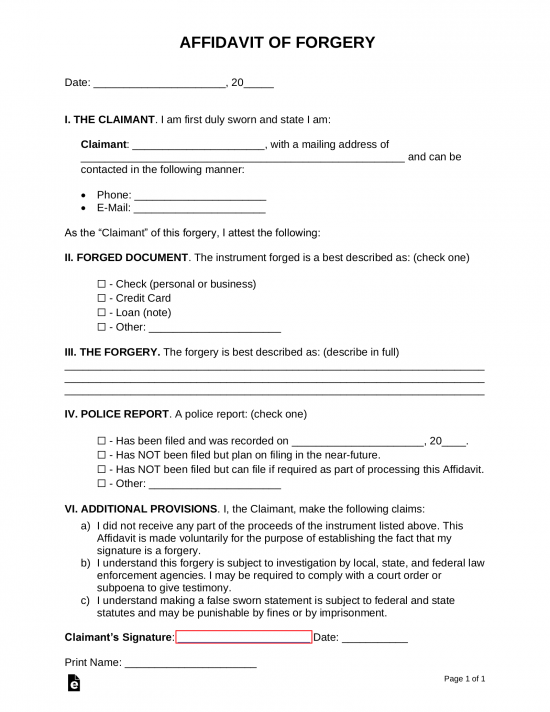
File an Affidavit of Forgery in New Jersey: This is a notarized statement where you swear under oath that a signature or document was forged. You can:
- Draft one yourself or ask an attorney to help.
- Visit your county clerk’s office or police department — some have templates and will notarize it.
- Attach your police report (which you already filed).
- File an Identity Theft Report:
- Visit www.IdentityTheft.gov and submit the report.
- Send a written dispute to the lender citing the Fair Credit Reporting Act (FCRA) and Truth in Lending Act (TILA), disputing the validity of the debt.
3. Next Steps
- Get copies of all contracts and loan documents.
- Send a certified letter to Meritize disputing the loan, referencing the school’s closure.
- Include documentation (emails, announcements, screenshots) proving the school shut down.
- Keep copies of all communication.
If Meritize continues collections, contact a New Jersey consumer protection attorney experienced in student loan cases.
0
Affidavit of Forgery
Full Conversation
I have a loan from a tech bootcamp program I joined back in 2023. I signed a contract, started taking the course, but didn’t finish. Later, the school closed — there’s no program anymore, but I still have this loan for $17,000.
Is there any legal action I can take against this?
I understand how concerning that must be — dealing with a loan for a program that no longer exists. Have you already tried contacting the bootcamp or the lender?
Yes. The lender told me to contact the school, and the school just sent me my attendance logs.
Were there any terms in the contract about what happens if the school closes or if you don’t complete the course?
Where do I get an affidavit of forgery?
Which state are you in? The process can vary.
New Jersey.
Hello, my name is Blake, and I’m a licensed attorney. I’ll be happy to help you today. Please note that this conversation is for informational purposes only and doesn’t create an attorney-client relationship. I’ll explain everything clearly and help you understand your options.
First, how long ago did this happen, and where were the bootcamps located?
That’s a second issue. My primary problem is with Meritize loans, but I also had issues with another tech bootcamp that I tried briefly — it wasn’t serious.
Got it. When were these programs, and where were they located?
2023 — the bootcamps were in Texas and California.
The note says this:
“ANY HOLDER OF THIS CONSUMER CREDIT CONTRACT IS SUBJECT TO ALL CLAIMS AND DEFENSES WHICH THE DEBTOR COULD ASSERT AGAINST THE SELLER OF GOODS OR SERVICES OBTAINED WITH THE PROCEEDS HEREOF. RECOVERY HEREUNDER BY THE DEBTOR SHALL NOT EXCEED AMOUNTS PAID BY THE DEBTOR HEREUNDER.”
Thank you for clarifying, Jerry — and I completely understand your frustration. It’s incredibly unfair to be left with thousands in debt for services you never received or couldn’t complete because the school closed.
Here’s how to look at your situation from a New Jersey legal perspective:
Here’s What That Means:
1. Meritize Loan & the Closed Bootcamp
Because the bootcamp closed and you couldn’t finish, you may have grounds to dispute or cancel the loan under several legal theories:
- Breach of Contract: If the school failed to deliver the promised program, that’s a breach. You can argue you shouldn’t owe the full loan.
- FTC Holder Rule: Many education-related loans include a clause allowing borrowers to raise the same defenses against the lender that they could against the school. Check your Meritize promissory note for this clause — it’s critical.
- Fraud or Misrepresentation: If the school misrepresented its accreditation, job placement rates, or outcomes, you may have a fraud claim.
- Consumer Protection Complaints:
You can file complaints with:
- New Jersey Division of Consumer Affairs
- Consumer Financial Protection Bureau (CFPB): http://www.consumerfinance.gov/complaint
- Federal Trade Commission (FTC): For deceptive business practices
- Closed-School Loan Relief: While federal closed-school discharge only applies to federal loans, some private lenders (like Meritize) have voluntarily offered similar relief. Demand a written explanation from Meritize on why they are still holding you responsible despite the school’s closure.
2. Second Bootcamp & Affidavit of Forgery
You also mentioned a second tech bootcamp and that they’re asking for an affidavit of forgery.
If you believe your signature or information was used fraudulently, do this:
File an Affidavit of Forgery in New Jersey: This is a notarized statement where you swear under oath that a signature or document was forged. You can:
- Draft one yourself or ask an attorney to help.
- Visit your county clerk’s office or police department — some have templates and will notarize it.
- Attach your police report (which you already filed).
- File an Identity Theft Report:
- Visit www.IdentityTheft.gov and submit the report.
- Send a written dispute to the lender citing the Fair Credit Reporting Act (FCRA) and Truth in Lending Act (TILA), disputing the validity of the debt.
3. Next Steps
- Get copies of all contracts and loan documents.
- Send a certified letter to Meritize disputing the loan, referencing the school’s closure.
- Include documentation (emails, announcements, screenshots) proving the school shut down.
- Keep copies of all communication.
If Meritize continues collections, contact a New Jersey consumer protection attorney experienced in student loan cases.
Perfect — that’s the FTC Holder Rule Notice — and it’s a huge advantage for you.
This clause means you can raise any defense against the school (like breach of contract or fraud) against the lender (Meritize) as well.
Here's What That Means:
1. You Can Dispute the Loan Legally:
If the school closed or didn’t deliver, you can assert that you owe nothing. The lender takes on the same legal responsibility as the school under the Holder Rule.
2. Send a Formal Written Dispute to Meritize:
Send a certified letter stating:
-
The school closed and failed to provide promised services.
-
You’re invoking your Holder Rule rights.
-
You dispute the validity and enforceability of the debt.
Include:
-
A copy of the Holder Rule clause from your loan.
-
Documentation of the school’s closure.
-
A timeline of events.
3. If Meritize Refuses:
-
File a complaint with the CFPB and NJ Division of Consumer Affairs.
-
Dispute any negative credit reporting with the bureaus under the FCRA, attaching your Holder Rule defense.
This clause gives you real legal leverage — you’re not powerless here.
For the second loan, they’re asking me to fill out an identity theft claim.
Understood — thank you.
If they’re requesting that, follow these steps:
-
Provide the police report (you already did).
-
Complete the affidavit of forgery, notarize it, and send it back with the report.
-
Keep copies of all documents and correspondence.
-
If they persist, file a written dispute under the Fair Credit Reporting Act and contact the CFPB.
I hope this answers your question. Thanks again for reaching out, and best of luck resolving this — you have strong consumer protection rights here.
Disclaimer
By messaging AskaLawyer.com, you agree to our Terms and have read our Privacy Policy.
The information provided on AskaLawyer.com is for general informational purposes only and does not constitute legal advice. While we strive to ensure the accuracy and timeliness of the information presented, we make no guarantees regarding its completeness or applicability to your specific circumstances.
Use of this website does not create an attorney-client relationship between you and AskaLawyer.com or any of its attorneys. Communications through this website, including any responses from attorneys, are not privileged or confidential. For advice tailored to your individual situation, we recommend consulting a licensed attorney in your jurisdiction.
AskaLawyer.com disclaims any liability for actions taken or not taken based on the content of this site. We are not responsible for any third-party content that may be accessed through this website. Reliance on any information provided herein is solely at your own risk.