[NC] [NC] How do I handle a client sending hostile texts?
It sounds like you're going through an incredibly stressful and upsetting situation, and it’s admirable that you’re still putting the dog’s well-being first while navigating such aggressive and manipulative behavior from your client. Given what you’ve described, a cease and desist letter could be a helpful next step, especially under North Carolina law.
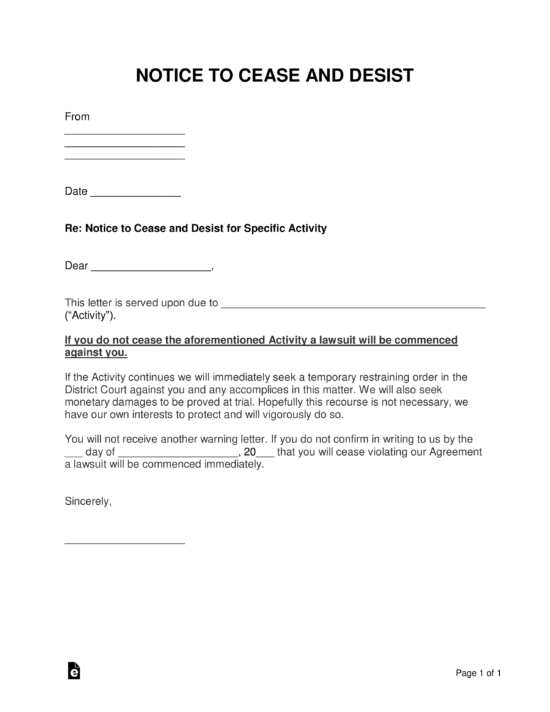
This kind of letter is a formal way of telling someone to stop harmful behavior, and in your case, it would clearly state that the threatening texts, verbal aggression, gaslighting, and emotional manipulation must stop immediately. It also shows that you’re serious and willing to take legal steps if the behavior continues. Many people do back off once they receive something this formal, especially if they didn’t expect it.
A well-written cease and desist can also cite laws that may apply, like North Carolina’s cyberstalking statute (NC Gen Stat § 14-196.3), which makes it a crime to harass or intimidate someone through repeated unwanted communication. If the client is threatening your business reputation, that could potentially fall under defamation as well. The letter should make it clear that you’ve been documenting everything — texts, calls, emails — which will be important if legal action becomes necessary.
Just keep in mind that this isn’t a court order. If the client chooses to ignore it, you may need to take further steps.
0
Cease and Desist Letter
Full Conversation
I have a client who is sending aggressive texts, emotionally manipulative texts, gaslighting texts, verbally aggressive phone calls, and threats to slander our business. I run a successful pet sitting business of 12 years, and after 72 hours this client has become hostile.
We won’t abandon the dog because we feel bad for him, but the client sends a slew of wild, accusational texts and we need them to stop. Should an immediate cease and desist work?
I'm sorry to hear about the situation with your client. Have you already tried to address this issue directly with the client?
Yes, countless times.
Have you documented all the aggressive and threatening communication from the client?
Yes, texts.
Is there anything else the criminal lawyer should know before I connect you? Rest assured they’ll be able to help with your situation.
I don't know.
Hello and thank you for reaching out! I’m Jon, a licensed attorney with over 13 years of experience, and I’m here to help.
I know legal matters can feel overwhelming, but you're in good hands. I’ll do my best to make things clear and provide you with the guidance you need. Let’s work together to find the right solution for your situation.
Where do you live?
North Carolina
And you want to know what you can do about this person?
Yes
Understood! I think I have all the information I need, but is there anything else you'd like to add before I get started on your answer? If not, I'll start working on a response for you right away.
Hmm, not really… just an extremely hostile client who's making slandering threats and verbally attacking my staff and us as the owners.
Got it. I just need a few minutes to finish typing out a complete response for you. It won’t take long.
It sounds like you're going through an incredibly stressful and upsetting situation, and it’s admirable that you’re still putting the dog’s well-being first while navigating such aggressive and manipulative behavior from your client. Given what you’ve described, a cease and desist letter could be a helpful next step, especially under North Carolina law.
This kind of letter is a formal way of telling someone to stop harmful behavior, and in your case, it would clearly state that the threatening texts, verbal aggression, gaslighting, and emotional manipulation must stop immediately. It also shows that you’re serious and willing to take legal steps if the behavior continues. Many people do back off once they receive something this formal, especially if they didn’t expect it.
A well-written cease and desist can also cite laws that may apply, like North Carolina’s cyberstalking statute (NC Gen Stat § 14-196.3), which makes it a crime to harass or intimidate someone through repeated unwanted communication. If the client is threatening your business reputation, that could potentially fall under defamation as well. The letter should make it clear that you’ve been documenting everything — texts, calls, emails — which will be important if legal action becomes necessary.
Just keep in mind that this isn’t a court order. If the client chooses to ignore it, you may need to take further steps.
Most importantly, talk to a North Carolina attorney, ideally one with experience in business law or civil disputes. While you technically can write and send the cease and desist letter yourself, having it come from a lawyer gives it more legal weight and makes it more likely the client will take it seriously.
An attorney can ensure the letter references the correct statutes and outlines the consequences if the harassment doesn’t stop. They can also advise you on sending it (such as by certified mail), next steps if the behavior continues, and whether civil claims like defamation or intentional infliction of emotional distress might apply.
You clearly care about the dog involved, which says a lot about your compassion. Still, your safety and your business come first. If this continues, a lawyer can also help you figure out how to legally end the pet-sitting arrangement while ensuring the dog is cared for.
In short, a cease and desist letter is a solid step forward — but to give it the strongest effect and real legal protection, it’s important to involve a North Carolina attorney and continue documenting everything.
OK, thanks.
I hope the information I provided was helpful and addressed your question. If there's anything else you need, please don't hesitate to reach out — I’m always happy to assist. Wishing you a fantastic day ahead!
12
4
Answered 3 weeks ago
Disclaimer
By messaging AskaLawyer.com, you agree to our Terms and have read our Privacy Policy.
The information provided on AskaLawyer.com is for general informational purposes only and does not constitute legal advice. While we strive to ensure the accuracy and timeliness of the information presented, we make no guarantees regarding its completeness or applicability to your specific circumstances.
Use of this website does not create an attorney-client relationship between you and AskaLawyer.com or any of its attorneys. Communications through this website, including any responses from attorneys, are not privileged or confidential. For advice tailored to your individual situation, we recommend consulting a licensed attorney in your jurisdiction.
AskaLawyer.com disclaims any liability for actions taken or not taken based on the content of this site. We are not responsible for any third-party content that may be accessed through this website. Reliance on any information provided herein is solely at your own risk.