Can I file a new protection order or take legal action against my neighbor for ongoing harassment, threats, and doxxing after my previous order was dismissed?
Based on what you’ve described, there are several legal arguments and steps that may apply in your state:
-
Harassment laws: Most states define harassment as a pattern of behavior meant to annoy, alarm, or intimidate. The threats, false accusations, and doxxing you’ve described could qualify.
-
Protection orders: You may be eligible to file for a new order if you can show that the harassment has continued or escalated since the previous one was dismissed. Evidence of ongoing contact or new threats strengthens your case.
-
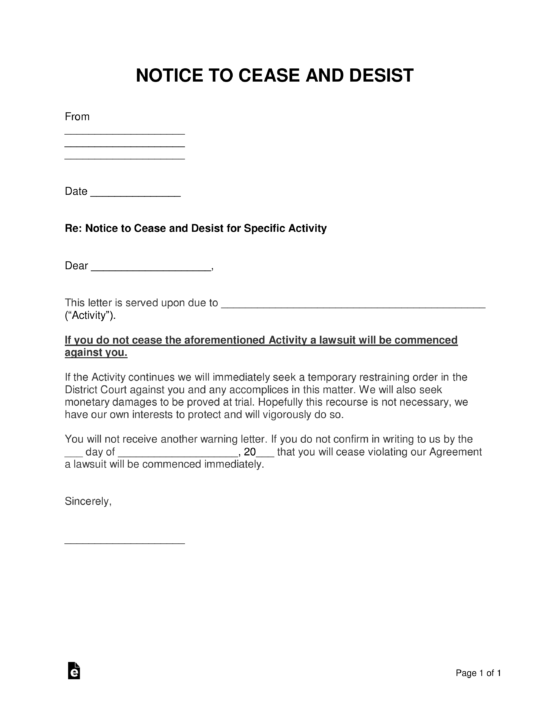
Cease-and-desist letter: This can serve as a formal written demand to stop the harassment. It’s not legally binding but can serve as a precursor to further legal action.
-
Doxxing and privacy violations: Posting personal information like your birthdate and employer could violate state privacy or cyberharassment laws.
-
Police involvement: If officers refuse to document incidents, continue to report and keep your own records — dates, times, screenshots, videos, and the names of any responding officers.
In the meantime, here are some steps you can take right now:
-
Document everything: Keep detailed records of all harassment, including dates, times, and any screenshots or recordings.
-
Consult an attorney: Many lawyers offer free initial consultations, so you can get legal advice without committing to large fees. Look for attorneys who specialize in harassment or protection orders.
-
File for a new protection order: Since the harassment has escalated, you likely have grounds to refile. Bring your documentation to court or an attorney to support your petition.
-
Send a cease-and-desist letter: This may deter your neighbor and establish a written record of your request for the harassment to stop.
-
Report to police: Continue reporting, even if they seem reluctant. Ask for incident numbers and note who you spoke to each time.
-
Explore privacy or cyberharassment claims: Doxxing and posting personal information could open additional legal remedies.
0
Cease and Desist Letter
Full Conversation
My previous anti-harassment order against my neighbor was dismissed (pro se filing). Since then, the harassment has escalated: multiple videos of threats and false accusations, texts from new numbers, and an AI-generated video/audio of “lawyers” saying I’ll be charged with felonies. They’ve also doxxed me online (posted my birthdate and employer). I’ve blocked all contact, but they continue targeting me and creeping on my property. Police often refuse to document. Do I have grounds for a new protection order or cease-and-desist?
Lexi, Chatbot
I’m sorry to hear about the distressing situation you’re facing with your neighbor. Have you documented all instances of harassment, including the videos, texts, and any police interactions?
Yes.
Lexi, Chatbot
Have you sought any legal advice or assistance since the dismissal of your previous anti-harassment order?
No.
Lexi, Chatbot
Is there anything else the criminal lawyer should know before I connect you? Rest assured they’ll be able to help with your protection order.
No.
Jessica B
Thank you for your question! My name is Jessica and I’m a licensed attorney who will be assisting you. I understand you’re dealing with an escalating harassment situation involving your neighbor, including threats, false accusations, and doxxing. Have you considered any legal options or consulted with an attorney about this matter before?
Hi Jessica — Yes, I’ve definitely considered consulting with an attorney, but I don’t know where to start, and I’m concerned about legal fees.
Jessica B
I understand your concern about legal fees. Let’s see how we can help you with this situation. Could you please let me know which state you’re in? That will help me provide more specific guidance.
Jessica B
Based on what you’ve described, there are several legal arguments and steps that may apply in your state:
-
Harassment laws: Most states define harassment as a pattern of behavior meant to annoy, alarm, or intimidate. The threats, false accusations, and doxxing you’ve described could qualify.
-
Protection orders: You may be eligible to file for a new order if you can show that the harassment has continued or escalated since the previous one was dismissed. Evidence of ongoing contact or new threats strengthens your case.
-
Cease-and-desist letter: This can serve as a formal written demand to stop the harassment. It’s not legally binding but can serve as a precursor to further legal action.
-
Doxxing and privacy violations: Posting personal information like your birthdate and employer could violate state privacy or cyberharassment laws.
-
Police involvement: If officers refuse to document incidents, continue to report and keep your own records — dates, times, screenshots, videos, and the names of any responding officers.
In the meantime, here are some steps you can take right now:
-
Document everything: Keep detailed records of all harassment, including dates, times, and any screenshots or recordings.
-
Consult an attorney: Many lawyers offer free initial consultations, so you can get legal advice without committing to large fees. Look for attorneys who specialize in harassment or protection orders.
-
File for a new protection order: Since the harassment has escalated, you likely have grounds to refile. Bring your documentation to court or an attorney to support your petition.
-
Send a cease-and-desist letter: This may deter your neighbor and establish a written record of your request for the harassment to stop.
-
Report to police: Continue reporting, even if they seem reluctant. Ask for incident numbers and note who you spoke to each time.
-
Explore privacy or cyberharassment claims: Doxxing and posting personal information could open additional legal remedies.
Jessica B
Please let me know if you’d like me to walk you through how to prepare your evidence or connect you with resources for free legal support.
Disclaimer
By messaging AskaLawyer.com, you agree to our Terms and have read our Privacy Policy.
The information provided on AskaLawyer.com is for general informational purposes only and does not constitute legal advice. While we strive to ensure the accuracy and timeliness of the information presented, we make no guarantees regarding its completeness or applicability to your specific circumstances.
Use of this website does not create an attorney-client relationship between you and AskaLawyer.com or any of its attorneys. Communications through this website, including any responses from attorneys, are not privileged or confidential. For advice tailored to your individual situation, we recommend consulting a licensed attorney in your jurisdiction.
AskaLawyer.com disclaims any liability for actions taken or not taken based on the content of this site. We are not responsible for any third-party content that may be accessed through this website. Reliance on any information provided herein is solely at your own risk.