Which state do I file my lawsuit in?
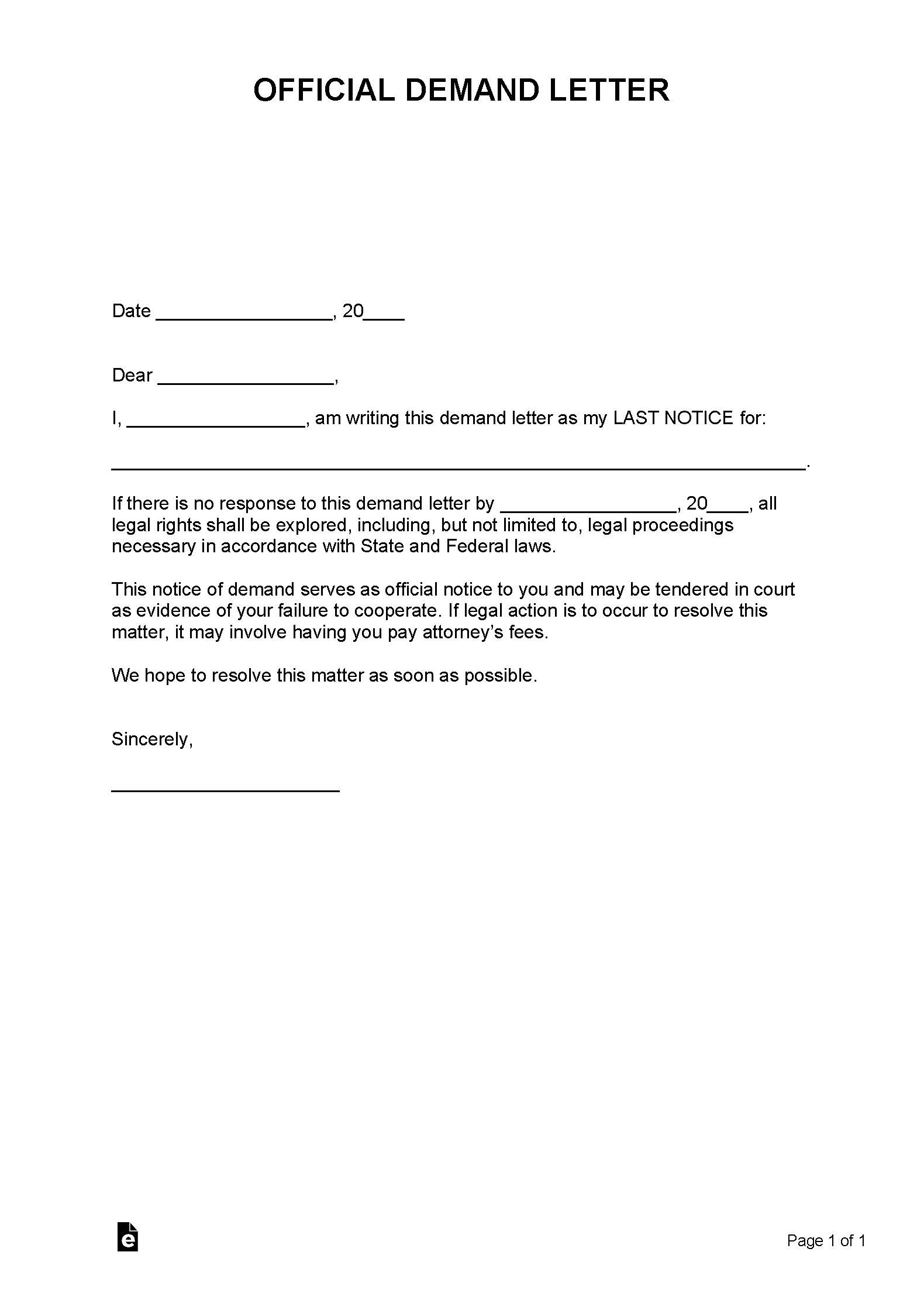
If they owe you the money, sending a demand letter is not considered harassment—as long as you don't violate the Fair Debt Collection Practices Act. You're within your rights to send a demand letter, whether via email or regular mail, as long as you're not bombarding them with multiple phone calls or repeated contact.
As for where to sue, there are a few options:
-
Chicago – since that’s where the fraudulent activity occurred.
-
New York – since that’s where he currently lives and committed the acts.
-
California – if you want to wait until you're back home, since that's your state of residency.
0
Demand Letter
Full Conversation
So someone committed fraud towards me for about $7,000. He currently lives in New York but is a Georgia resident and still has his permanent residency in Georgia. I do not know his New York address, so before I send the demand letter I was going to ask him for his address via email.
Should I ask him for his address in New York? Does that matter?
Lexi, Chatbot
I'm sorry to hear about the fraud you've experienced. Have you already gathered any evidence of the fraud committed against you?
Yes, and I have filed a police report without his knowledge a few days ago.
Lexi, Chatbot
Are you considering taking legal action against this individual for the fraud they committed?
Yes.
Lexi, Chatbot
Is there anything else the Lawyer should know before I connect you? Rest assured, they'll be able to help with your legal action.
I currently live in Chicago but I am a California resident. The crime occurred virtually in Chicago, so I filed in Chicago, but I'm not sure where to actually press charges. Should it be in New York, Georgia, or Chicago?
Michael M. Esq.
Hello and welcome to AskaLawyer, my name is Michael, and I am a retired attorney with 25 years of litigation experience. Please note that our discussions on this site are for general information purposes and do not create an attorney-client relationship or constitute legal advice.
In theory, criminal charges could be brought in multiple places: where the crime occurred (Chicago), or where the defendant is currently located (New York). Since the fraud occurred while you were in Chicago and the other person is now in New York, I would file the charges in Chicago. It's usually best to report in the location where you, as the victim, were when the crime occurred.
Once the police open an investigation, they’ll typically work on locating the person’s address in New York. But there's nothing preventing you from asking him directly for that information as well. Still, I’d recommend following the police's guidance and letting them handle it.
Okay, as of right now, the police have not advised me to stop any form of contact with him—solely because I’ve been a few steps ahead in obtaining his information and filing for fraud. However, today he found out I filed disputes in my account and has now blocked my number. I didn’t want to go the legal route, but he leaves me no choice. I want to email him a demand letter as well, but I’m not sure if that would be considered harassment. He’s smarter than me when it comes to the law because he’s a law student, so I’m a bit nervous about that.
So, should I be suing him in Chicago?
Michael M. Esq.
If they owe you the money, sending a demand letter is not considered harassment—as long as you don't violate the Fair Debt Collection Practices Act. You're within your rights to send a demand letter, whether via email or regular mail, as long as you're not bombarding them with multiple phone calls or repeated contact.
As for where to sue, there are a few options:
-
Chicago – since that’s where the fraudulent activity occurred.
-
New York – since that’s where he currently lives and committed the acts.
-
California – if you want to wait until you're back home, since that's your state of residency.
Thank you!
Michael M. Esq.
My pleasure.
Disclaimer
By messaging AskaLawyer.com, you agree to our Terms and have read our Privacy Policy.
The information provided on AskaLawyer.com is for general informational purposes only and does not constitute legal advice. While we strive to ensure the accuracy and timeliness of the information presented, we make no guarantees regarding its completeness or applicability to your specific circumstances.
Use of this website does not create an attorney-client relationship between you and AskaLawyer.com or any of its attorneys. Communications through this website, including any responses from attorneys, are not privileged or confidential. For advice tailored to your individual situation, we recommend consulting a licensed attorney in your jurisdiction.
AskaLawyer.com disclaims any liability for actions taken or not taken based on the content of this site. We are not responsible for any third-party content that may be accessed through this website. Reliance on any information provided herein is solely at your own risk.