Can I buy my husband out of our home in a divorce?
Here is a sample:
"The parties agree that the Husband shall receive a one-time payment of $200,000 from the refinancing of the marital home, which shall constitute a full, final, and complete settlement of all claims the Husband may have against the Wife, including but not limited to claims for equitable distribution, spousal support, or any interest in the marital residence. The Husband expressly waives and relinquishes any and all current or future rights, title, or interest in the marital home and any other financial assets of the Wife. Both parties acknowledge that this Agreement is the result of a negotiated settlement, entered into freely, voluntarily, and with full understanding of its terms. The parties further waive any rights they may have under applicable state marital property laws to the extent permitted by law."
0
Marital Separation Agreement
Full Conversation
I am going through a separation. I will buy him out to keep my house, giving him a one-time payout of $200K through a refinance. I want to make sure this document covers that this one-time payout is all he can come after, and that he cannot sue me later on for any more money or to make me sell the house.
Lexi, Chatbot
I understand that navigating a separation can be challenging, especially when it comes to financial agreements. Have you already drafted any documents regarding the buyout and payout?
I did the marital settlement agreement.
Lexi, Chatbot
Are there any specific terms or conditions you want to ensure are included in the agreement to protect your interests?
Yes, my house, and I want to ensure I am not responsible for any other financial requests outside of this document.
Lexi, Chatbot
Is there anything else the lawyer should know before I connect you? Rest assured they'll be able to help with your marital settlement agreement.
I don't know.
Michael M. Esq.
Hello! My name is Michael, and I'm an attorney ready to help! Your responses matter to me, so I only need a few minutes to review and respond to each of your posts. Does your marital settlement agreement clearly state that the $200K buyout is in full and final satisfaction of all property and financial claims, and that he waives any future rights to the home or further compensation?
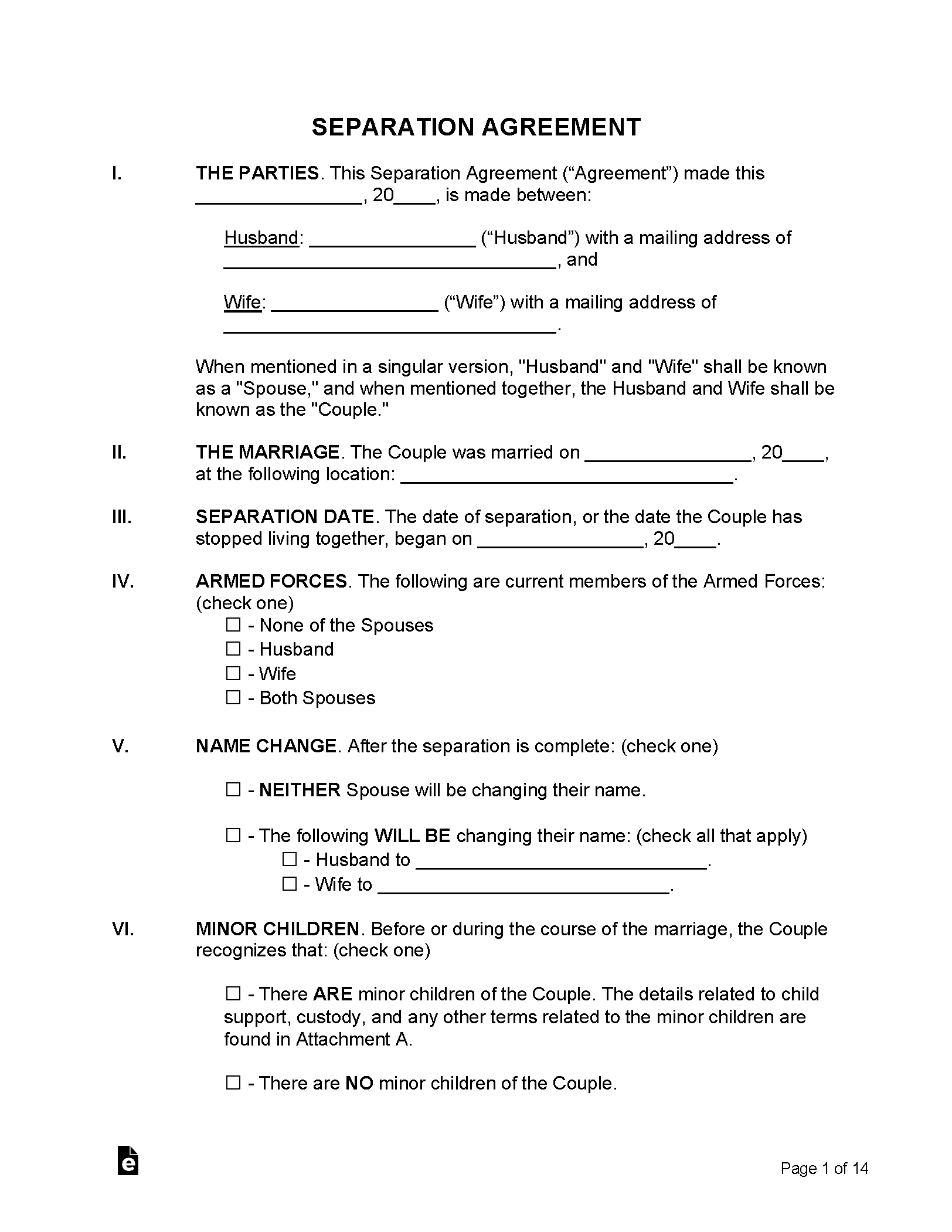
Below is what the document states:
"XII. HUSBAND’S PROPERTY. It is declared by the Couple that, under this Agreement, the Husband shall be the owner of the following: Only item is $200K payout from home refinancing, which will happen prior to divorce. This is a one-time cash out, and he will not pursue any other financial assets after the $200K cash out."
Does this verbiage suffice?
Michael M. Esq.
The language you included is headed in the right direction, but it could be stronger and more airtight. Right now, it's informal and leaves room for argument about what “not pursue any other financial assets” really covers. It should explicitly state that the $200K is a full and final settlement of all property and support claims, and that he waives any present or future interest in the home. To be safe, it should also include a waiver of rights under any state marital property laws and confirm this was a negotiated, voluntary agreement.
Michael M. Esq.
Here is a sample:
"The parties agree that the Husband shall receive a one-time payment of $200,000 from the refinancing of the marital home, which shall constitute a full, final, and complete settlement of all claims the Husband may have against the Wife, including but not limited to claims for equitable distribution, spousal support, or any interest in the marital residence. The Husband expressly waives and relinquishes any and all current or future rights, title, or interest in the marital home and any other financial assets of the Wife. Both parties acknowledge that this Agreement is the result of a negotiated settlement, entered into freely, voluntarily, and with full understanding of its terms. The parties further waive any rights they may have under applicable state marital property laws to the extent permitted by law."
Does this cover me so he can’t come later after my 401K, or if I sell the house years later he can’t ask for more money? Or if he wants alimony?
Michael M. Esq.
Sure thing! If that’s the only language in the agreement, it likely doesn’t go far enough to fully protect you. It needs to clearly state that he waives all rights to your retirement accounts and any future proceeds from the house, not just “other financial assets.” Without stronger, specific wording, he could try to make claims down the line and leave you defending against them.
Let me add to it:
"The Husband further waives and releases any and all claims to the Wife’s retirement accounts, including but not limited to her 401(k), IRA, or pension plans, whether existing now or acquired in the future. He also waives any right to seek additional compensation or share in any future proceeds if the Wife sells or refinances the marital home after the date of this Agreement. This waiver is intended to be full and final, and shall survive the entry of any Judgment of Divorce."
I should add all this under XII. HUSBAND’S PROPERTY?
Michael M. Esq.
Yes, you can add this language under Section XII, but it would be clearer if you renamed the section to something broader like “Settlement Terms” or “Property and Financial Waiver.” That way, it doesn’t look like you’re just listing assets he’s getting, but instead showing this is the full scope of what he’s entitled to. The added language should be a separate paragraph under that section to avoid confusion.
We have an 18-year-old son who is going to college. He said he is paying for most of his tuition and he will claim him for taxes. I am not against that, but do I need to include that in this document? I already took care of my daughter who is 15. We are amicable, so I am claiming sole custody, but I have included that he can see her whenever he wants.
Michael M. Esq.
Got it. Yes, it’s smart to include those details in the agreement to avoid misunderstandings later. Even if you're amicable now, clearly stating who claims which child for taxes and who pays for what helps protect you both down the road. You can include a clause stating he will claim your son and contribute to tuition, and you’ll claim your daughter while allowing flexible visitation.
He has offered to pay $1K per month for her expenses, which I have detailed in this document. I also included that neither one of us will pay alimony.
Michael M. Esq.
I hear you! Did you have a question for me about that?
Do I need to add anything else on the alimony piece?
"VIII. SPOUSAL SUPPORT (ALIMONY). There shall not be Spousal Support as part of this dissolution of marriage or part of this Agreement. Neither Spouse shall be obligated to pay, provide for, or support one another after the marriage is dissolved ("Spousal Support")."
Michael M. Esq.
One moment...
Michael M. Esq.
Your alimony clause is clear and covers both present and future support, which is exactly what courts look for. You don’t need to add anything else unless you want to clarify that the $1K monthly payment for your daughter is strictly for child-related expenses and not spousal support. That way, there’s no confusion down the line.
For the Marital Separation Agreement I don't need to go to court to file, correct? All I need is to just get this agreement notarized and have both parties sign to make it legitimate for any court proceedings?
Michael M. Esq.
Sure thing! I'll be happy to address that. Correct, you generally don’t need to file the Marital Separation Agreement with the court unless it's part of a divorce proceeding. As long as both parties sign it and it’s notarized, it becomes a legally binding contract. If you later file for divorce, the court can incorporate it into the final judgment if everything looks proper.
Could it be contested in court? Not sure what you mean by "looks proper."
Michael M. Esq.
Yes, any agreement can technically be contested in court, but a properly drafted, signed, and notarized separation agreement is usually upheld. By "looks proper," it means the court will check that the terms are fair, both parties signed voluntarily, and neither was coerced or misled. If the agreement is clear and balanced, it’s unlikely a judge would overturn it.
Would a judge consider it unfair if the amount of money he is getting should be more considering what the house is worth? He (husband) agreed to that amount because he just wanted the cash. He is leaving money on the table by doing this, but that is all I can afford to pay him out with the refinance.
Since he is signing off on this amount, I am guessing the judge would be okay with it since he is not being coerced or misled.
Michael M. Esq.
Yes, if he knowingly agreed to the $200K payout, wasn’t pressured, and understood the value of the house, the judge is likely to uphold the agreement. Courts generally respect voluntary settlements, even if one party could have negotiated more. As long as everything is transparent and both sides had the chance to review or get legal advice, it usually won’t be considered unfair.
Ok, great!
Michael, thank you very much for answering my questions. At this point, I think I asked what I needed. I don’t know what I don’t know, but hopefully this covers all I need.
Michael M. Esq.
Thank you so much for contacting us! We're happy to help whenever you need it.
Thank you! Have a good evening.
Michael M. Esq.
Sure thing!
9
3
Answered 4 days ago
Disclaimer
By messaging AskaLawyer.com, you agree to our Terms and have read our Privacy Policy.
The information provided on AskaLawyer.com is for general informational purposes only and does not constitute legal advice. While we strive to ensure the accuracy and timeliness of the information presented, we make no guarantees regarding its completeness or applicability to your specific circumstances.
Use of this website does not create an attorney-client relationship between you and AskaLawyer.com or any of its attorneys. Communications through this website, including any responses from attorneys, are not privileged or confidential. For advice tailored to your individual situation, we recommend consulting a licensed attorney in your jurisdiction.
AskaLawyer.com disclaims any liability for actions taken or not taken based on the content of this site. We are not responsible for any third-party content that may be accessed through this website. Reliance on any information provided herein is solely at your own risk.