[CA] [CA] How do I sue my university for damages for mishandling my Title IX claim?
Under Title IX, a university can be held liable if it is “deliberately indifferent” to known acts of harassment or discrimination that are severe, pervasive, and objectively offensive enough to interfere with your access to education.
From what you’ve described — repeated stalking, harassment, clear violations of no-contact orders, and slow, inadequate institutional responses — you may have a viable federal Title IX claim. You could also have potential claims under California’s civil rights statutes, such as the Unruh Civil Rights Act or the Fair Employment and Housing Act (FEHA), depending on the setting and parties involved.
Potential Legal Avenues
1. Title IX Civil Lawsuit
You can sue the university in federal court for money damages and injunctive relief if you can show:
- The university had actual knowledge of the harassment and failed to act appropriately;
- The response (or lack thereof) was clearly unreasonable; and
- You suffered emotional distress, academic harm, or loss of educational opportunities as a result.
Given the university’s year-long delay, apparent lack of urgency, and inadequate support during the process, this could meet the “deliberate indifference” standard.
2. Negligence or Faculty Misconduct
If the instructor ignored your complaints, failed to intervene, or did not report what was happening as required under Title IX, that can strengthen your case and may even give rise to separate negligence claims under California law.
3. California Civil Rights Claims
California’s laws against discrimination and harassment (Government Code § 11135 and the Unruh Civil Rights Act) can sometimes supplement a Title IX claim, especially where race, age, or disability are involved.
Deadlines (Statutes of Limitation)
- Department of Education complaint: Usually within 180 days of the last act of discrimination (though extensions are sometimes granted for ongoing misconduct).
- Federal or state lawsuit: Typically 2 years in California from the most recent act or from when you discovered the university’s indifference.
If the harassment continued into the past year, you are still likely within the statute of limitations.
Next Steps
1. Preserve Evidence
Keep everything: your complaint filings, investigation reports, the appeal decision, the restraining order, and all emails or texts with the university and the harasser.
Document your emotional and academic harm (missed classes, grades, therapy notes, etc.).
2. Create a Timeline
Detail every key event — dates of incidents, reports, communications, and responses (or lack thereof).
3. Consult a Title IX Attorney
Look for a lawyer who handles education discrimination or civil rights cases. Many offer free consultations and may take Title IX cases on contingency (meaning they only get paid if you win).
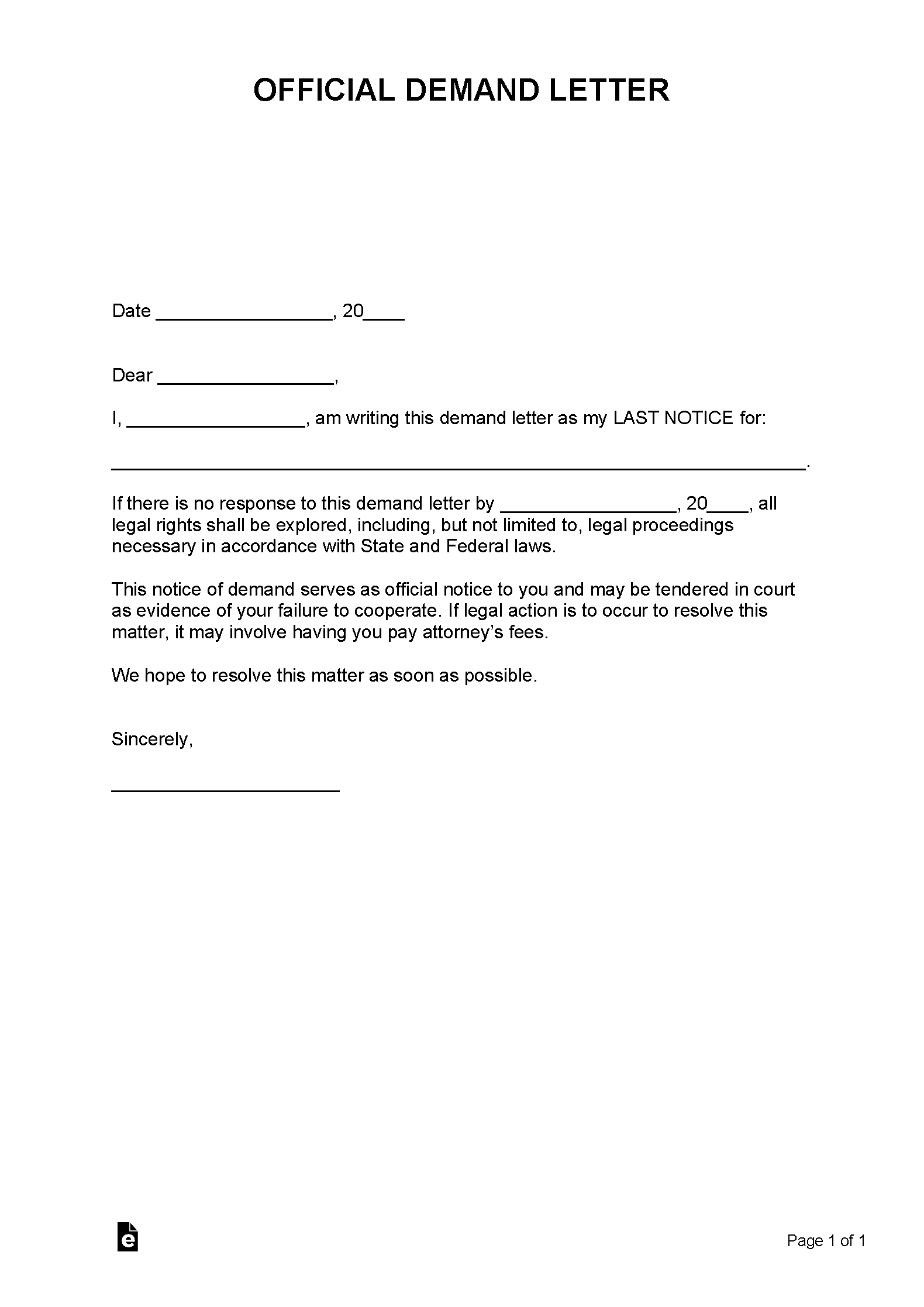
4. Consider a Demand Letter
Before filing a lawsuit, your attorney can send the university a formal letter demanding compensation or policy changes. This sometimes leads to a settlement or mediation before court.
0
Official Demand Letter
Full Conversation
I have a Title IX dispute.
I’m sorry to hear that. Can you tell me more about what happened?
A white female student stalked and harassed me for half a year. The university placed a no-contact directive on her, which she violated. I got a temporary restraining order against her — she violated that too. After a long, year-long investigation, the university found that she did engage in stalking, harassment, and racial and age discrimination. Her sanction was a three-year suspension, a permanent no-contact order, and mandatory behavioral training.
I appealed, saying the emotional and academic harm I suffered warranted a harsher sanction, but my appeal was denied. I believe the instructor of the class where this occurred failed to (a) protect me and (b) properly report the harassment. The university also dragged their feet during the investigation and didn’t act in my best interest. I want to sue the university for damages.
Have you spoken to school officials or sought legal advice yet?
I spoke to the vice president of the university — she apologized. This is my first attempt at getting legal advice.
Got it. Is there anything else the lawyer should know?
No.
Thank you for sharing that. I’m really sorry you went through this — it’s not only unfair but emotionally damaging, and based on what you described, the university may have failed you on several levels.
This took place in California, correct?
Under Title IX, a university can be held liable if it is “deliberately indifferent” to known acts of harassment or discrimination that are severe, pervasive, and objectively offensive enough to interfere with your access to education.
From what you’ve described — repeated stalking, harassment, clear violations of no-contact orders, and slow, inadequate institutional responses — you may have a viable federal Title IX claim. You could also have potential claims under California’s civil rights statutes, such as the Unruh Civil Rights Act or the Fair Employment and Housing Act (FEHA), depending on the setting and parties involved.
Potential Legal Avenues
1. Title IX Civil Lawsuit
You can sue the university in federal court for money damages and injunctive relief if you can show:
- The university had actual knowledge of the harassment and failed to act appropriately;
- The response (or lack thereof) was clearly unreasonable; and
- You suffered emotional distress, academic harm, or loss of educational opportunities as a result.
Given the university’s year-long delay, apparent lack of urgency, and inadequate support during the process, this could meet the “deliberate indifference” standard.
2. Negligence or Faculty Misconduct
If the instructor ignored your complaints, failed to intervene, or did not report what was happening as required under Title IX, that can strengthen your case and may even give rise to separate negligence claims under California law.
3. California Civil Rights Claims
California’s laws against discrimination and harassment (Government Code § 11135 and the Unruh Civil Rights Act) can sometimes supplement a Title IX claim, especially where race, age, or disability are involved.
Deadlines (Statutes of Limitation)
- Department of Education complaint: Usually within 180 days of the last act of discrimination (though extensions are sometimes granted for ongoing misconduct).
- Federal or state lawsuit: Typically 2 years in California from the most recent act or from when you discovered the university’s indifference.
If the harassment continued into the past year, you are still likely within the statute of limitations.
Next Steps
1. Preserve Evidence
Keep everything: your complaint filings, investigation reports, the appeal decision, the restraining order, and all emails or texts with the university and the harasser.
Document your emotional and academic harm (missed classes, grades, therapy notes, etc.).
2. Create a Timeline
Detail every key event — dates of incidents, reports, communications, and responses (or lack thereof).
3. Consult a Title IX Attorney
Look for a lawyer who handles education discrimination or civil rights cases. Many offer free consultations and may take Title IX cases on contingency (meaning they only get paid if you win).
4. Consider a Demand Letter
Before filing a lawsuit, your attorney can send the university a formal letter demanding compensation or policy changes. This sometimes leads to a settlement or mediation before court.
13
5
Answered 1 month ago
Disclaimer
By messaging AskaLawyer.com, you agree to our Terms and have read our Privacy Policy.
The information provided on AskaLawyer.com is for general informational purposes only and does not constitute legal advice. While we strive to ensure the accuracy and timeliness of the information presented, we make no guarantees regarding its completeness or applicability to your specific circumstances.
Use of this website does not create an attorney-client relationship between you and AskaLawyer.com or any of its attorneys. Communications through this website, including any responses from attorneys, are not privileged or confidential. For advice tailored to your individual situation, we recommend consulting a licensed attorney in your jurisdiction.
AskaLawyer.com disclaims any liability for actions taken or not taken based on the content of this site. We are not responsible for any third-party content that may be accessed through this website. Reliance on any information provided herein is solely at your own risk.