[MA] [MA] My former employer is withholding my commissions until I sign a non-solicitation/non-complete clause. Is this legal?
You do not have to sign this agreement. Your employer is not legally allowed to withhold your earned commissions or wages as leverage to get you to sign a new non-solicitation or non-compete clause. What they’re doing is essentially holding your pay hostage, which violates wage payment laws. (MGL c. 149, § 148)
You can file a wage complaint with the U.S. Department of Labor (or the state labor agency where you worked). Here’s where to file:
You also have the right to sue in small claims court as a last resort if the company refuses to release your earned pay.
0
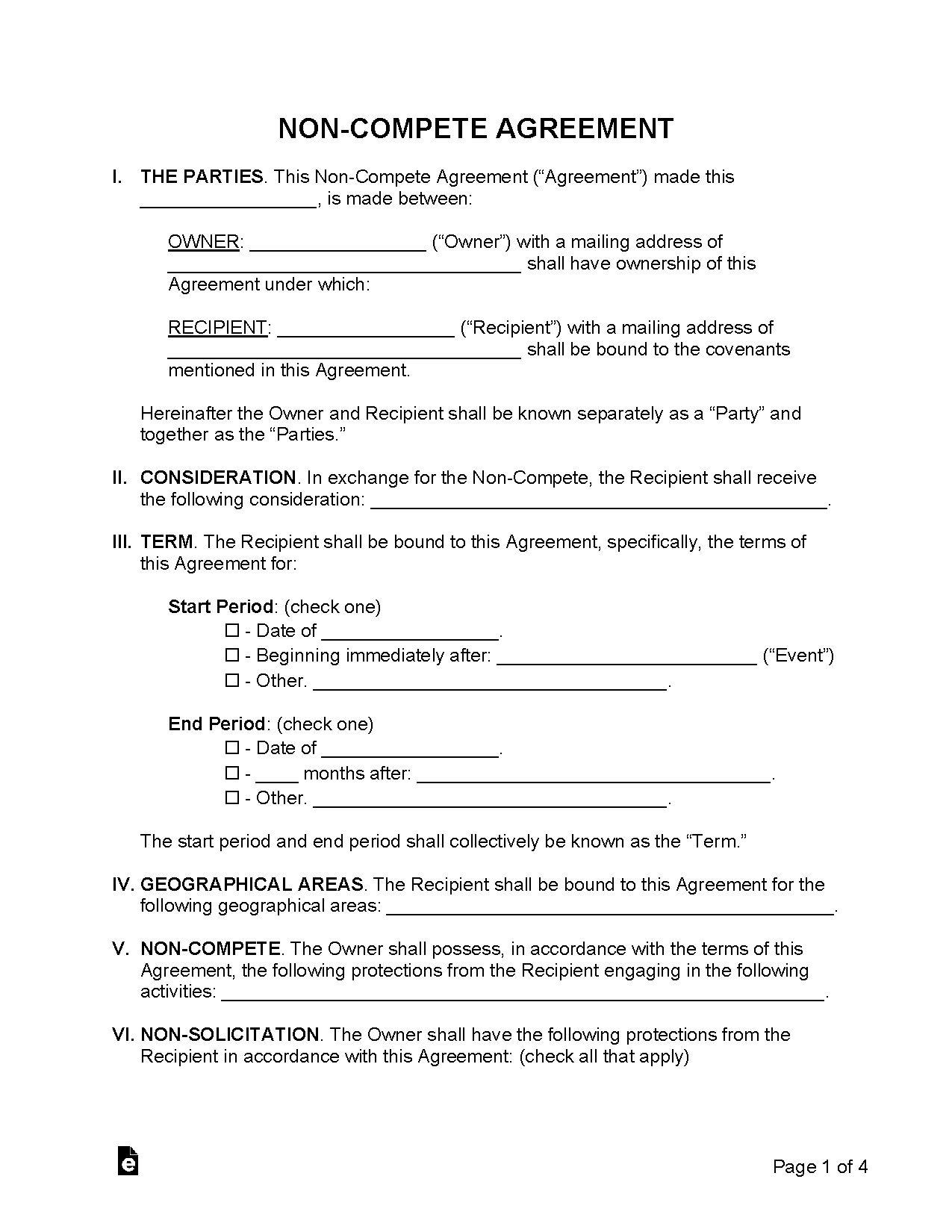
Non-Compete Agreement
Full Conversation
I’ve resigned from my job, and my employer said my commissions will be held until I sign a departure agreement that includes a non-solicitation/non-compete clause. I live in New Hampshire since December, but I lived in Massachusetts during the rest of my employment from April 2023 to December 2024. Do they legally need to pay my commissions and earned wages if I don’t sign that agreement?
Lexi, Chatbot
I understand your situation. Were the commissions and earned wages promised to you in a written agreement or company policy?
Yes.
Lexi, Chatbot
Have you consulted with an attorney regarding the non-solicitation/non-compete clause in the departure agreement?
Not yet.
Lexi, Chatbot
Is there anything else the employment lawyer should know before I connect you? Rest assured they’ll be able to help with your commissions issue.
Yes.
Ray
Hi and welcome to AskALawyer. Ray here to help you today. Please bear with me a few moments while I review your question, conduct, and prepare your response.
Ray
You do not have to sign this agreement. Your employer is not legally allowed to withhold your earned commissions or wages as leverage to get you to sign a new non-solicitation or non-compete clause. What they’re doing is essentially holding your pay hostage, which violates wage payment laws. (MGL c. 149, § 148)
You can file a wage complaint with the U.S. Department of Labor (or the state labor agency where you worked). Here’s where to file:
You also have the right to sue in small claims court as a last resort if the company refuses to release your earned pay.
Thanks, Ray! Is it reasonable to just tell the employer to remove that clause, and then I’ll sign? Or should I refuse to sign any “departure agreement”? I’ve never encountered this request from other employers upon departure.
This is the clause in question:
“5.1 Non-Solicitation of Personnel & Customers. For twelve (12) months following the Termination Date, Employee will not directly or indirectly solicit for employment, hire, or contract any person employed by Company, nor solicit business from any customer or prospective customer that Employee contacted or learned about while employed by Company.”
Ray
Either modify it or don’t sign it.
Ok, thank you. I’ll request modifications to remove section 5.1 altogether. If they push back on that, I’ll contact the labor board and keep small claims court in my back pocket.
Ray
That’s a good plan. I completely agree with your approach. There’s no reason you should have to agree to a non-compete or non-solicitation clause after you’ve already left the company — it makes no sense and has no benefit to you.
I wish you the best of luck.
13
3
Answered 1 week ago
Disclaimer
By messaging AskaLawyer.com, you agree to our Terms and have read our Privacy Policy.
The information provided on AskaLawyer.com is for general informational purposes only and does not constitute legal advice. While we strive to ensure the accuracy and timeliness of the information presented, we make no guarantees regarding its completeness or applicability to your specific circumstances.
Use of this website does not create an attorney-client relationship between you and AskaLawyer.com or any of its attorneys. Communications through this website, including any responses from attorneys, are not privileged or confidential. For advice tailored to your individual situation, we recommend consulting a licensed attorney in your jurisdiction.
AskaLawyer.com disclaims any liability for actions taken or not taken based on the content of this site. We are not responsible for any third-party content that may be accessed through this website. Reliance on any information provided herein is solely at your own risk.