[WI] [WI] Can I sue former employer for breaching my confidentiality?
Yes, you may have a potential legal claim, but whether you can successfully sue the company depends on a few factors. Let’s break it down:
1. Breach of Confidentiality by HR
There’s no universal federal law that guarantees absolute confidentiality when speaking to Human Resources—unless:
- You’re reporting harassment, discrimination, or another protected activity under Title VII (e.g., race, gender, or sex discrimination).
- HR’s disclosure creates a retaliatory or hostile work environment after you’ve reported wrongdoing.
- If HR told your manager what you said and it led to fear, retaliation, or a toxic environment, that may support a retaliation claim under EEOC rules.
2. Racial Slurs by the Manager
This can be the strongest part of your potential case.
If your manager used racial slurs and HR did not take corrective action, that can support claims for:
- Hostile Work Environment
- Racial Discrimination (under Title VII of the Civil Rights Act)
- Constructive Discharge (if conditions were so intolerable you had no choice but to resign)
You don’t have to be the direct target of the slurs—witnessing them can be enough if it contributed to a hostile environment.
3. Next Steps
File an EEOC Charge
- You must file with the EEOC or your state’s human rights agency before suing.
- Deadline: 180 to 300 days from the incident, depending on your state.
- Go to eeoc.gov to start the process online or schedule an interview.
Document Everything
Keep records of:
- What HR told you and what they revealed.
- The manager’s comments (dates, witnesses, what was said).
- Any retaliation, threats, or reasons you felt unsafe.
Contact an Employment Attorney
If you have supporting documentation, an attorney may take the case on a contingency basis, especially with racial discrimination involved.
If You’re Still Working Elsewhere
If you’re still with the same company but at a different location, consider:
- Escalating to a higher HR department or corporate ethics hotline.
- Using a whistleblower or anonymous reporting tool, if available.
0
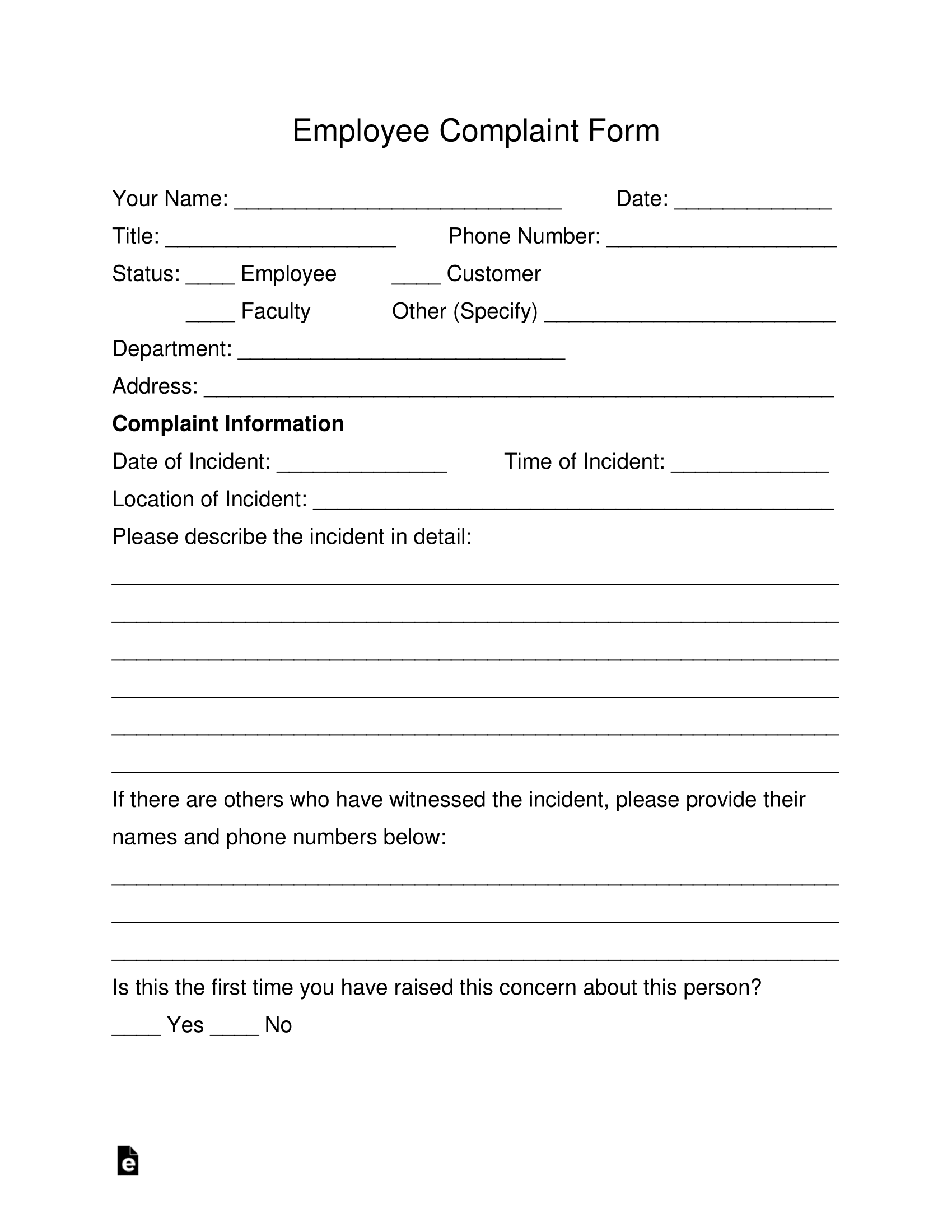
Employee Complaint Form
Full Conversation
I was at a job a month ago and HR told the manager what we talked about and also told me what another employee said while he was in there. I left that job because I feared for my safety. If I can’t go to HR then where can I go? The manager was super inappropriate as well, calling people racial slurs. I want to know if I can sue that company for violating my confidentiality while talking to HR.
Lexi, Chatbot
I’m sorry to hear about your experience at work. Have you documented any of the conversations or incidents that occurred with HR and the manager?
Yes, I wrote everything out and was supposed to turn it in to HR, but when the manager came to me letting me know he knew I was in HR, I feared for my safety and did not turn the written report into HR. Instead, I spoke to the union rep, making him aware of what happened before I quit the job. I quit because I did not feel safe.
Lexi, Chatbot
Did you report the inappropriate behavior to anyone else within the company before deciding to leave your job?
Yes. I spoke to the union reps, making them aware of what happened.
Lexi, Chatbot
Is there anything else the lawyer should know before I connect you? Rest assured they’ll be able to help with the confidentiality violation.
Yes.
Andres Sanchez
Hi there! I’m Andres Sanchez, an Employment Law expert here to help you navigate your situation. It sounds like you’ve been through a lot, and I’m here to provide guidance on your rights and options. What state are you in?
I’m in the state of Wisconsin.
Andres Sanchez
Yes, you may have a potential legal claim, but whether you can successfully sue the company depends on a few factors. Let’s break it down:
1. Breach of Confidentiality by HR
There’s no universal federal law that guarantees absolute confidentiality when speaking to Human Resources—unless:
- You’re reporting harassment, discrimination, or another protected activity under Title VII (e.g., race, gender, or sex discrimination).
- HR’s disclosure creates a retaliatory or hostile work environment after you’ve reported wrongdoing.
- If HR told your manager what you said and it led to fear, retaliation, or a toxic environment, that may support a retaliation claim under EEOC rules.
2. Racial Slurs by the Manager
This can be the strongest part of your potential case.
If your manager used racial slurs and HR did not take corrective action, that can support claims for:
- Hostile Work Environment
- Racial Discrimination (under Title VII of the Civil Rights Act)
- Constructive Discharge (if conditions were so intolerable you had no choice but to resign)
You don’t have to be the direct target of the slurs—witnessing them can be enough if it contributed to a hostile environment.
3. Next Steps
File an EEOC Charge
- You must file with the EEOC or your state’s human rights agency before suing.
- Deadline: 180 to 300 days from the incident, depending on your state.
- Go to eeoc.gov to start the process online or schedule an interview.
Document Everything
Keep records of:
- What HR told you and what they revealed.
- The manager’s comments (dates, witnesses, what was said).
- Any retaliation, threats, or reasons you felt unsafe.
Contact an Employment Attorney
If you have supporting documentation, an attorney may take the case on a contingency basis, especially with racial discrimination involved.
If You’re Still Working Elsewhere
If you’re still with the same company but at a different location, consider:
- Escalating to a higher HR department or corporate ethics hotline.
- Using a whistleblower or anonymous reporting tool, if available.
Andres Sanchez
It appears I have answered your question. Best of luck.
13
3
Answered 1 week ago
Disclaimer
By messaging AskaLawyer.com, you agree to our Terms and have read our Privacy Policy.
The information provided on AskaLawyer.com is for general informational purposes only and does not constitute legal advice. While we strive to ensure the accuracy and timeliness of the information presented, we make no guarantees regarding its completeness or applicability to your specific circumstances.
Use of this website does not create an attorney-client relationship between you and AskaLawyer.com or any of its attorneys. Communications through this website, including any responses from attorneys, are not privileged or confidential. For advice tailored to your individual situation, we recommend consulting a licensed attorney in your jurisdiction.
AskaLawyer.com disclaims any liability for actions taken or not taken based on the content of this site. We are not responsible for any third-party content that may be accessed through this website. Reliance on any information provided herein is solely at your own risk.