Can I sue my ex-employer for an SSN breach?
You may be able to sue your ex-employer, but only if:
- Your SSN was actually disclosed to someone else, and
- You suffered actual harm (identity theft, fraudulent accounts, financial loss, etc.).
Right now, since you only received someone else’s SSN — and there’s no proof yet that your SSN was given out — a lawsuit for damages would be difficult. However, you still have rights.
What you can do immediately
1. Send a written demand requiring the employer to confirm:
- Whether your SSN was disclosed,
- To whom,
- Which documents contained it.
You do not need a lawyer to send this request.
2. If they refuse to answer, you can file complaints with:
The U.S. Department of Labor
- Your state’s labor department
- The FTC (Federal Trade Commission)
- These agencies can force an investigation.
Protect yourself now:
- Place a fraud alert with Equifax, Experian, or TransUnion
- Freeze your credit
- Monitor your credit reports closely
These steps protect you even if your SSN was given out.
0
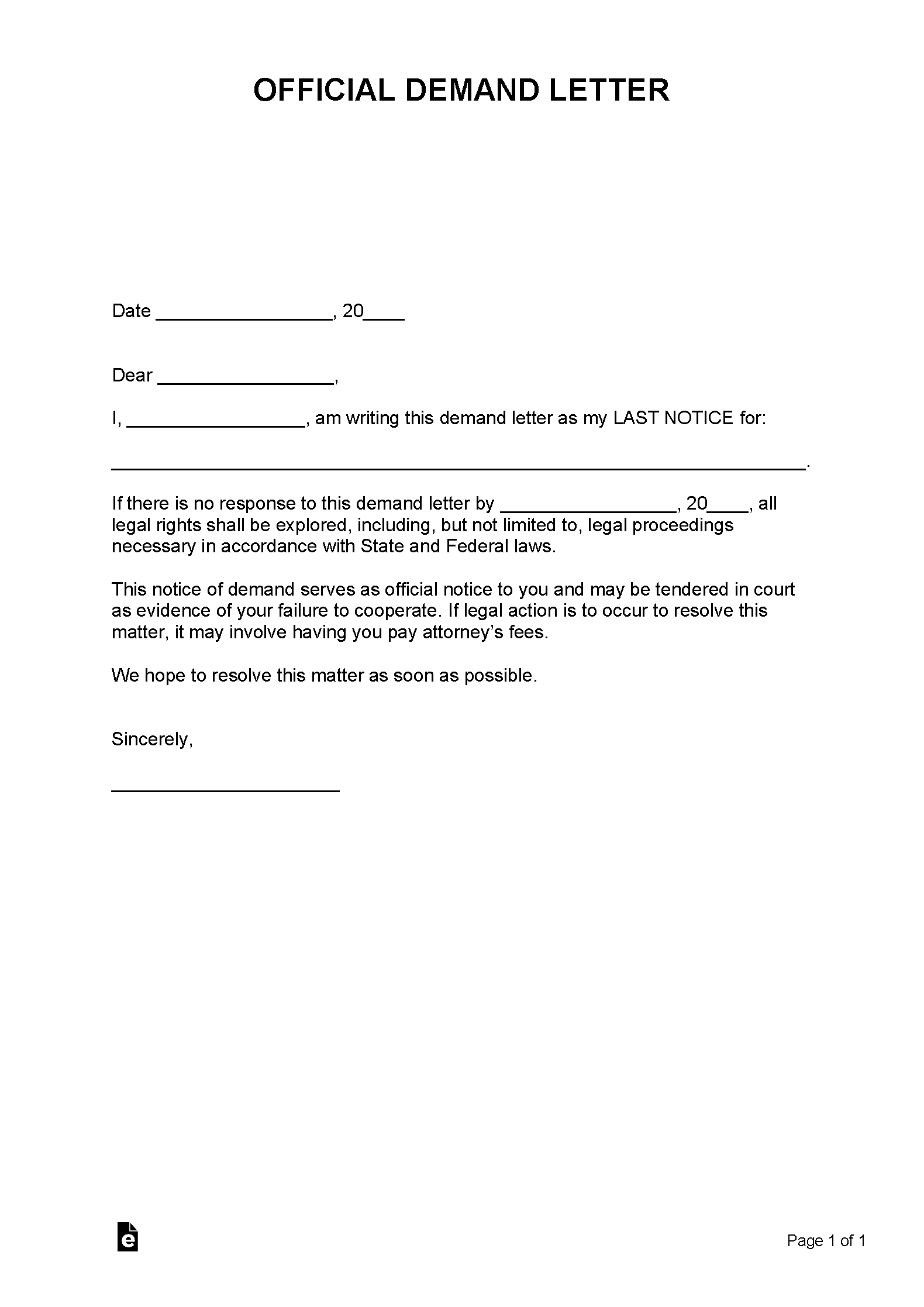
Official Demand Letter
Full Conversation
Can I sue my ex-employer for an SSN breach?
I understand how concerning a Social Security Number breach can be. Have you already experienced any negative consequences from this breach?
No, not yet. I’m not sure how many people received my SSN information.
When did the breach occur, and have you taken any steps to address it with your ex-employer?
It happened yesterday. I sent a Letter of Intent to Sue, and the only thing I got back was an updated form with my information on it.
Is there anything else the Lawyer should know?
The employer has been known for stealing funds from the company.
Thanks for sharing that. Can you clarify exactly how your SSN was exposed — for example, was it emailed to others, posted publicly, or shared in some other way? This helps determine how serious the breach is and what legal options you may have.
I was terminated and received a separation notice yesterday. The employer put the wrong SSN on my notice. If they did that to me, who knows who received paperwork with my SSN on it.
Thanks — just a few more questions. Do you know if your correct SSN was actually sent to anyone else, or was it just the wrong SSN on your copy?
I can send you both copies. I know for sure I received someone else’s SSN on my separation notice.
Understood! So you're wondering what you can do next, correct?
Yes, because if they gave me the wrong SSN on my paperwork, who did they give my SSN to?
You may be able to sue your ex-employer, but only if:
- Your SSN was actually disclosed to someone else, and
- You suffered actual harm (identity theft, fraudulent accounts, financial loss, etc.).
Right now, since you only received someone else’s SSN — and there’s no proof yet that your SSN was given out — a lawsuit for damages would be difficult. However, you still have rights.
What you can do immediately
1. Send a written demand requiring the employer to confirm:
- Whether your SSN was disclosed,
- To whom,
- Which documents contained it.
You do not need a lawyer to send this request.
2. If they refuse to answer, you can file complaints with:
The U.S. Department of Labor
- Your state’s labor department
- The FTC (Federal Trade Commission)
- These agencies can force an investigation.
Protect yourself now:
- Place a fraud alert with Equifax, Experian, or TransUnion
- Freeze your credit
- Monitor your credit reports closely
These steps protect you even if your SSN was given out.
Yes, but how will I know if I don’t have a lawyer to get the evidence I need?
You can start by demanding — in writing — that your employer disclose exactly what happened. Because this involves your protected personal information, they must answer you. If they avoid the question or refuse, state or federal agencies can compel them to provide the information.
That’s what I needed to hear — that makes more sense. Thank you!
13
3
Answered 1 week ago
18
7
Answered 3 weeks ago
26
10
Answered 3 weeks ago
Disclaimer
By messaging AskaLawyer.com, you agree to our Terms and have read our Privacy Policy.
The information provided on AskaLawyer.com is for general informational purposes only and does not constitute legal advice. While we strive to ensure the accuracy and timeliness of the information presented, we make no guarantees regarding its completeness or applicability to your specific circumstances.
Use of this website does not create an attorney-client relationship between you and AskaLawyer.com or any of its attorneys. Communications through this website, including any responses from attorneys, are not privileged or confidential. For advice tailored to your individual situation, we recommend consulting a licensed attorney in your jurisdiction.
AskaLawyer.com disclaims any liability for actions taken or not taken based on the content of this site. We are not responsible for any third-party content that may be accessed through this website. Reliance on any information provided herein is solely at your own risk.