[MA] [MA] My employer deducted 8 hours from my paycheck because we were closed for Memorial Day, but I’m salaried/exempt. Is this legal?

I live and work in Massachusetts. My employer deducted 8 hours from my paycheck because we were closed for Memorial Day, but I’m salaried/exempt. Is this legal?

12

1

Legal Eagle
Legal Eagle

128,690 satisfied customers

View context
Solved

Massachusetts wage laws can get tricky when it comes to exempt employees. Let’s break it down.

Federal Law (FLSA) & Salary Basis Rule

Under the Fair Labor Standards Act (FLSA), if you’re salaried and exempt, your employer generally cannot dock your pay for partial-week absences caused by the employer, such as a company closure for a holiday.

  • A “salaried/exempt” employee must receive the full salary for any week in which they perform any work, unless the absence is voluntary (like taking personal time off).
  • The only exceptions are things like full-week absences, unpaid disciplinary suspensions, or FMLA leave.

So — if you worked at all during that week (even one hour), they’re not supposed to deduct pay for the day the business closed. Doing so could violate the salary basis test, meaning you might not actually be classified as exempt.

Massachusetts Law

Massachusetts tends to be even stricter about wage deductions. If your employer made a deduction without legal authorization or a written agreement, that could violate Massachusetts General Laws ch. 149, §148 (the Wage Act).

  • Deductions are only legal if required by law (like taxes) or voluntarily authorized in writing by the employee for a valid purpose.
  • Reducing your salary for a company closure isn’t one of those valid deductions.

Your Offer Letter

You mentioned your offer letter promises an annual salary. That strengthens your position — an annual salary typically means a fixed, consistent paycheck, regardless of business closures.

The part about being “eligible for holiday pay after six months” likely applies to hourly or non-exempt staff, not salaried exempt employees. Holiday “eligibility” shouldn’t affect your salary guarantee under federal or state law.

Red Flags

Deducing 8 hours from exempt employees’ pay can jeopardize their exempt status — potentially exposing your employer to wage violations.

The instruction forbidding you to discuss compensation with coworkers is also illegal under the National Labor Relations Act (NLRA). Employees have the right to discuss pay openly, even in small private businesses.

What You Can Do

  • Document everything
  • Keep the notice, pay stub, and any written communications about the deduction.
  • Ask for clarification in writing

Email HR or your manager:

“I noticed my salary was reduced for Memorial Day. Since I’m an exempt employee, I understood my pay would not vary based on company closures. Could you please clarify how this deduction complies with the FLSA’s salary basis rule?”

File a Complaint if Needed

If they refuse to correct it, you can contact:

Summary

  • It’s not legal to deduct from a salaried exempt employee’s pay for a company holiday closure.
  • It’s illegal to forbid pay discussions.
  • You’re within your rights to request the money back or file a complaint.

0

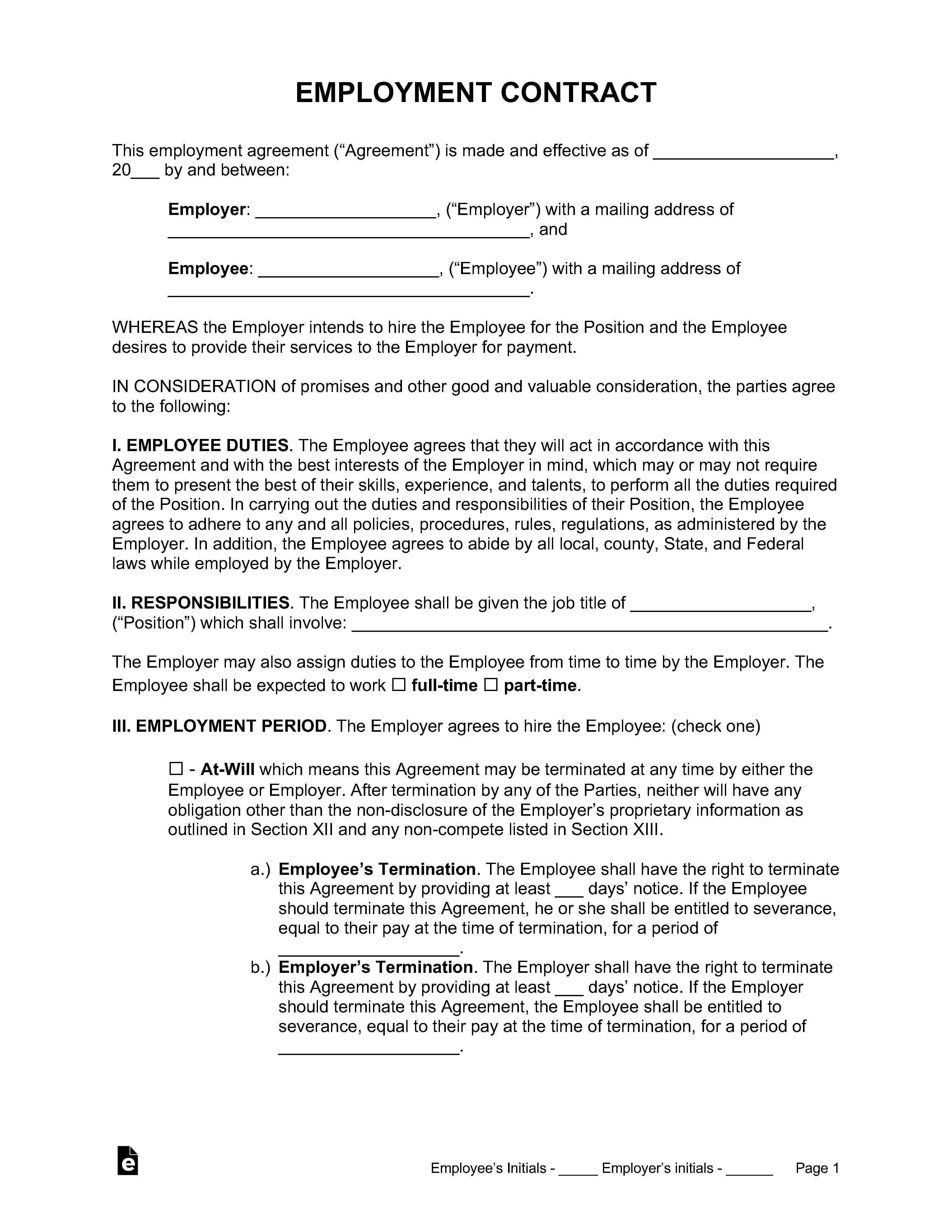
Employment Contract Agreement

Full Conversation


I live and work in Massachusetts. My employer deducted 8 hours from my paycheck because we were closed for Memorial Day, but I’m salaried/exempt. Is this legal?

Lexi

Lexi, Chatbot

I understand your concern. Were you given any prior notice about this deduction?

Not really — they posted a notice a week before saying, “Exempt employees will receive holiday pay in compliance with state and federal wage and hour laws.”

Lexi

Lexi, Chatbot

Has this ever happened before — any other deductions for holidays?

No, I’ve only been there three months. The same notice also said employees are eligible for holiday pay only after completing six months. I’m confused, though, because I’m guaranteed a yearly salary.

Lexi

Lexi, Chatbot

Got it. Do they normally pay people for that day off, or was this the first time the business closed?

They posted ambiguous notices about exempt employees, and they deducted 8 hours from another exempt employee who’s been there two years. They also took a vacation day from a non-exempt worker who’s been there almost three years.

Lexi

Lexi, Chatbot

Okay, so you’re trying to figure out your rights here, right?

Yes — this feels really underhanded.

Lexi

Lexi, Chatbot

Understood. I’m so sorry you’re dealing with this. Give me a moment to draft a detailed answer.

Legal Eagle

Legal Eagle

Massachusetts wage laws can get tricky when it comes to exempt employees. Let’s break it down.

Federal Law (FLSA) & Salary Basis Rule

Under the Fair Labor Standards Act (FLSA), if you’re salaried and exempt, your employer generally cannot dock your pay for partial-week absences caused by the employer, such as a company closure for a holiday.

  • A “salaried/exempt” employee must receive the full salary for any week in which they perform any work, unless the absence is voluntary (like taking personal time off).
  • The only exceptions are things like full-week absences, unpaid disciplinary suspensions, or FMLA leave.

So — if you worked at all during that week (even one hour), they’re not supposed to deduct pay for the day the business closed. Doing so could violate the salary basis test, meaning you might not actually be classified as exempt.

Massachusetts Law

Massachusetts tends to be even stricter about wage deductions. If your employer made a deduction without legal authorization or a written agreement, that could violate Massachusetts General Laws ch. 149, §148 (the Wage Act).

  • Deductions are only legal if required by law (like taxes) or voluntarily authorized in writing by the employee for a valid purpose.
  • Reducing your salary for a company closure isn’t one of those valid deductions.

Your Offer Letter

You mentioned your offer letter promises an annual salary. That strengthens your position — an annual salary typically means a fixed, consistent paycheck, regardless of business closures.

The part about being “eligible for holiday pay after six months” likely applies to hourly or non-exempt staff, not salaried exempt employees. Holiday “eligibility” shouldn’t affect your salary guarantee under federal or state law.

Red Flags

Deducing 8 hours from exempt employees’ pay can jeopardize their exempt status — potentially exposing your employer to wage violations.

The instruction forbidding you to discuss compensation with coworkers is also illegal under the National Labor Relations Act (NLRA). Employees have the right to discuss pay openly, even in small private businesses.

What You Can Do

  • Document everything
  • Keep the notice, pay stub, and any written communications about the deduction.
  • Ask for clarification in writing

Email HR or your manager:

“I noticed my salary was reduced for Memorial Day. Since I’m an exempt employee, I understood my pay would not vary based on company closures. Could you please clarify how this deduction complies with the FLSA’s salary basis rule?”

File a Complaint if Needed

If they refuse to correct it, you can contact:

Summary

  • It’s not legal to deduct from a salaried exempt employee’s pay for a company holiday closure.
  • It’s illegal to forbid pay discussions.
  • You’re within your rights to request the money back or file a complaint.

That’s exactly the clarification I needed — thank you. This place is toxic; time to start looking elsewhere.

Legal Eagle

Legal Eagle

128,690 satisfied customers

Legal Eagle
Welcome! Have a similar question?

5 lawyers online now

Disclaimer


By messaging AskaLawyer.com, you agree to our Terms and have read our Privacy Policy.

The information provided on AskaLawyer.com is for general informational purposes only and does not constitute legal advice. While we strive to ensure the accuracy and timeliness of the information presented, we make no guarantees regarding its completeness or applicability to your specific circumstances.

Use of this website does not create an attorney-client relationship between you and AskaLawyer.com or any of its attorneys. Communications through this website, including any responses from attorneys, are not privileged or confidential. For advice tailored to your individual situation, we recommend consulting a licensed attorney in your jurisdiction.

AskaLawyer.com disclaims any liability for actions taken or not taken based on the content of this site. We are not responsible for any third-party content that may be accessed through this website. Reliance on any information provided herein is solely at your own risk.

Ask a Lawyer Logo
Ask a Lawyer Logo
Intake Questions
Step of 3
Loading...
Loading...

How do you like to pay?

By proceeding with payment, you agree to our Terms and Privacy Policy. You authorize us to charge $ today and $ thereafter until canceled. You may cancel anytime in the My Account section to stop future charges.

Total Due:

After purchasing, your chat will begin with an attorney.

By proceeding with payment, you agree to our Terms and Privacy Policy. You authorize us to charge $ today and $ thereafter until canceled. You may cancel anytime in the My Account section to stop future charges.

Total Due:

After purchasing, your chat will begin with an attorney.

It looks like you already have an account with Ask a Lawyer.

We have sent you a magic link to . Click the link in your email to sign in and continue your chat.

spin

Step of 6 •

You'll receive an email at as soon as the lawyer joins the conversation 🙏🏻😊

Over 90% of lawyers connect within 5 minutes. If you're not online at that moment, don't worry — the lawyer will reply to your message while you're away.

You're also welcome to stay in the chat while waiting to be connected 💬✨

Waiting for lawyer