[VA] [VA] My former employer is asking for repayment of a sign-on bonus “loan.” How should I proceed?
If the sign-on bonus agreement lacks clear repayment terms — particularly language addressing how repayment would be handled in the event of early termination — this could weaken the employer’s legal basis for demanding repayment, especially in full.
Courts generally require clear, specific language when enforcing repayment of employment bonuses, especially when framed as “loans.”
Key Considerations:
1. Review the Language of the Agreement
If the contract does not explicitly state that the bonus is a loan or contains no clause requiring repayment upon early departure, you may have grounds to challenge any repayment demand.
If the document uses terms like “loan,” “repayable,” or “forgivable over time,” it’s important to assess whether those terms are clear and enforceable.
2. Employer’s Demand
Since you stayed 16 out of 18 months, it would be reasonable to offer a prorated repayment (e.g., 2/18 of the total bonus) if repayment is enforceable.
The absence of a repayment schedule or interest terms could make it harder for them to enforce the loan under Virginia law.
3. Good Faith Negotiation
You can respond in writing requesting a copy of the agreement they’re referencing and propose:
- A prorated repayment amount, and
- A reasonable payment plan,
- while making clear your offer is not an admission of liability, but made in good faith to resolve the issue amicably.
4. Potential Defenses
You might raise defenses such as:
- Unjust enrichment or failure to mitigate, if they accepted the benefit of your work but seek full repayment;
- Lack of clarity or ambiguous language in the agreement;
- Unconscionability, if the terms are harsh or unfair in light of the circumstances.
0
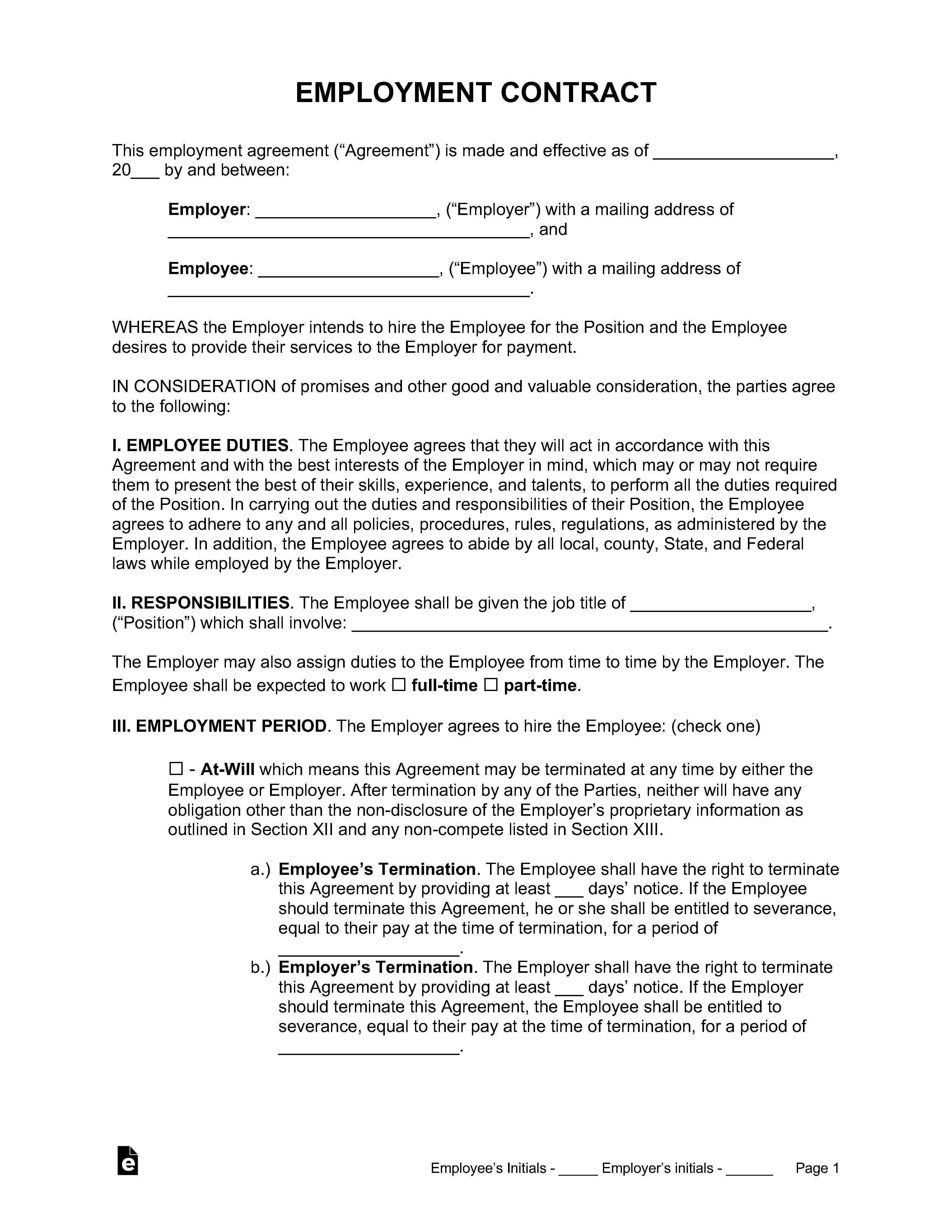
Employment Contract Agreement
Full Conversation
A former Virginia-based employer is asking for repayment of a sign-on bonus “loan” for remaining employed for 16 of the 18 months required for the loan. I’m seeking assistance in reviewing the sign-on bonus contract and representation for a proposed prorated repayment amount — and to potentially set a repayment schedule. I’m also open to counsel for the best option to handle this situation.
Lexi, Chatbot
I understand your situation regarding the repayment of the sign-on bonus “loan.” Can you provide more details about the terms of the sign-on bonus contract?
There are no repayment terms stipulated.
Lexi, Chatbot
Have you already attempted to negotiate a prorated repayment amount or repayment schedule with your former employer?
No.
Lexi, Chatbot
Is there anything else the employment lawyer should know before I connect you? Rest assured they’ll be able to help with your sign-on bonus issue.
Yes.
Richard
Hello. My name is Richard, and I’ve been a licensed attorney for over 25 years. I’ll be happy to assist you.
Please note this site is for information purposes only, and I cannot formally represent you or perform legal services here. Your question is important, and I’m typing a detailed answer now — please allow a moment.
Are you still in Virginia?
Yes, I am.
Richard
If the sign-on bonus agreement lacks clear repayment terms — particularly language addressing how repayment would be handled in the event of early termination — this could weaken the employer’s legal basis for demanding repayment, especially in full.
Courts generally require clear, specific language when enforcing repayment of employment bonuses, especially when framed as “loans.”
Key Considerations:
1. Review the Language of the Agreement
If the contract does not explicitly state that the bonus is a loan or contains no clause requiring repayment upon early departure, you may have grounds to challenge any repayment demand.
If the document uses terms like “loan,” “repayable,” or “forgivable over time,” it’s important to assess whether those terms are clear and enforceable.
2. Employer’s Demand
Since you stayed 16 out of 18 months, it would be reasonable to offer a prorated repayment (e.g., 2/18 of the total bonus) if repayment is enforceable.
The absence of a repayment schedule or interest terms could make it harder for them to enforce the loan under Virginia law.
3. Good Faith Negotiation
You can respond in writing requesting a copy of the agreement they’re referencing and propose:
- A prorated repayment amount, and
- A reasonable payment plan,
- while making clear your offer is not an admission of liability, but made in good faith to resolve the issue amicably.
4. Potential Defenses
You might raise defenses such as:
- Unjust enrichment or failure to mitigate, if they accepted the benefit of your work but seek full repayment;
- Lack of clarity or ambiguous language in the agreement;
- Unconscionability, if the terms are harsh or unfair in light of the circumstances.
The loan contract stipulates that the full amount is to be repaid in full at time of departure. Does that constitute repayment terms?
Richard
Yes, it would. That clause provides a basis for them to claim repayment.
Generally, would a Virginia court side with my employer and rule that I repay the full loan amount?
Richard
Yes, that is possible — courts often uphold clear contractual repayment provisions, even when they seem strict.
Do I have a defensible case for a prorated and lowered loan amount should this matter move to small claims court?
Richard
Yes, you would. You could argue equity and fairness, especially since you completed most of the employment term. Courts sometimes consider whether enforcing the full repayment would be disproportionate to the benefit your employer received.
In what ways can my case of not repaying the full loan amount be defensible in court?
Richard
If the contract does not explicitly define the bonus as a true loan or lacks detailed terms on interest, repayment timing, or partial credit for service time, you could argue it’s ambiguous or unenforceable in part.
Additionally, because you fulfilled 14–16 of 18 months, you can argue for apportionment — that the amount owed should reflect only the unfulfilled portion.
The contract states it is a loan to be forgiven after an 18-month term of employment, of which I worked 14 months. It stipulates the full amount is to be repaid if the term was not fully worked.
Richard
It would ultimately be up to the judge to decide whether those terms are enforceable as written. However, yes — you would have an apportionment claim based on fairness and substantial performance.
Even if repayment is ordered, a judge may agree to prorate or structure repayment rather than require full immediate payment.
13
3
Answered 1 week ago
Disclaimer
By messaging AskaLawyer.com, you agree to our Terms and have read our Privacy Policy.
The information provided on AskaLawyer.com is for general informational purposes only and does not constitute legal advice. While we strive to ensure the accuracy and timeliness of the information presented, we make no guarantees regarding its completeness or applicability to your specific circumstances.
Use of this website does not create an attorney-client relationship between you and AskaLawyer.com or any of its attorneys. Communications through this website, including any responses from attorneys, are not privileged or confidential. For advice tailored to your individual situation, we recommend consulting a licensed attorney in your jurisdiction.
AskaLawyer.com disclaims any liability for actions taken or not taken based on the content of this site. We are not responsible for any third-party content that may be accessed through this website. Reliance on any information provided herein is solely at your own risk.