[GA] [GA] Can I put an LLC into a trust?

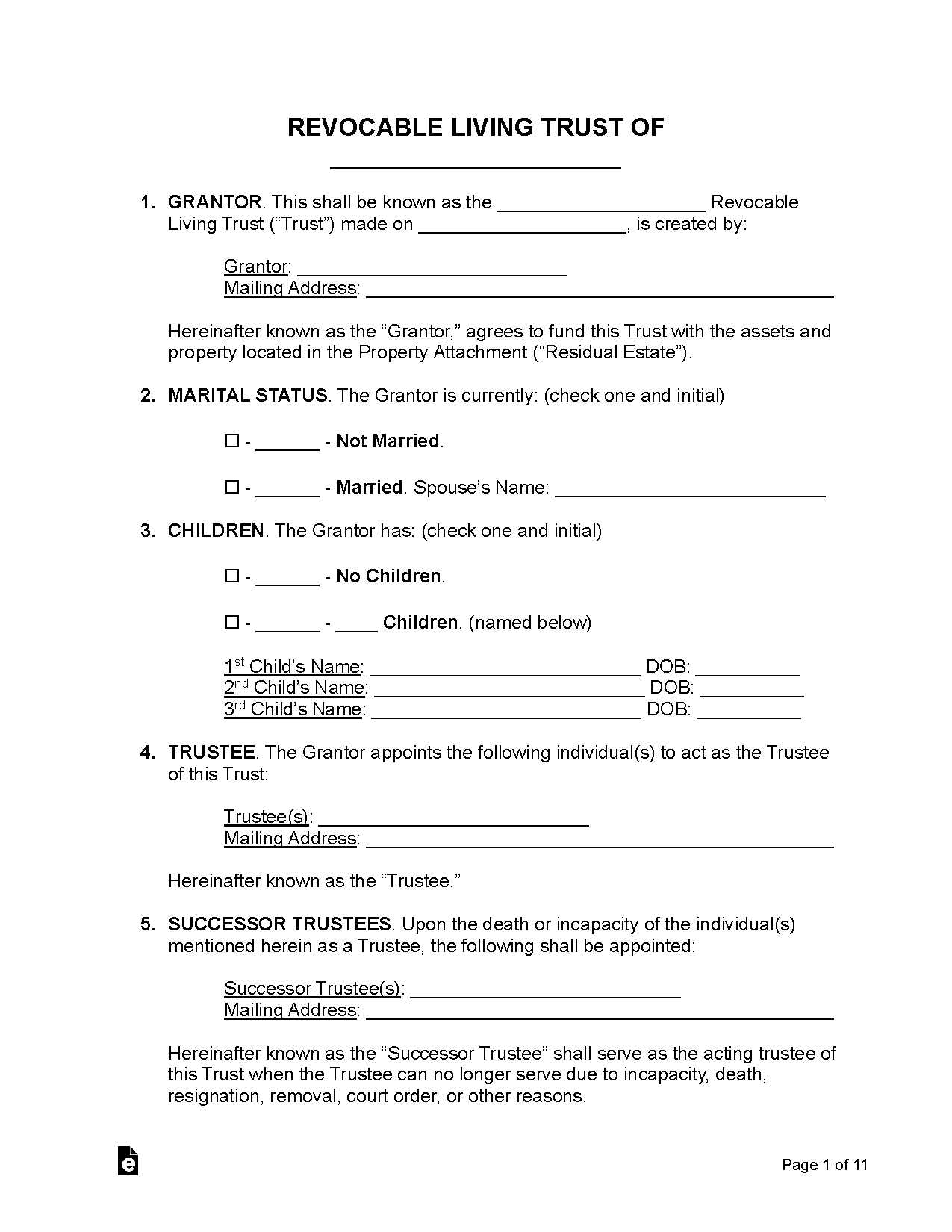
I just created a family revocable trust (me and my wife, with my son as beneficiary) and intend to put my primary residence under the same. I and my wife also own an LLC (partnership) that owns an investment property (long term rental). Is it wise to put the LLC also under the Trust's name? and if so, how do I do that?

16

5

Andres Sanchez
Andres Sanchez

22,292 satisfied customers

View context
Solved

Great question — you’re thinking about this the right way. Here’s how this generally works in Georgia:

1. Should you put the LLC under the revocable trust?

Pros

  • Estate planning: On your death (or your spouse’s), the trust can smoothly transfer ownership of the LLC without going through probate.
  • Centralization: All assets (home, LLC, investments) are managed under the trust, which simplifies administration.
  • Continuity: If you become incapacitated, your successor trustee can step in and manage the LLC without needing court involvement.

Cons

  • Liability protection doesn’t increase: The LLC already protects your personal assets from liabilities of the rental property. Moving LLC ownership into your trust does not create more liability protection.
  • Tax reporting stays the same: Since your trust is revocable, the IRS still treats you personally as the taxpayer. You’ll continue to file the same partnership return (Form 1065) for the LLC.
  • Banking/loan issues: If your LLC has an operating agreement or a bank loan, sometimes lenders require notice/consent before you transfer ownership.
  • Most estate planning attorneys in Georgia do recommend placing membership interests in an LLC into the trust for probate avoidance and succession purposes.

2. How to put the LLC under the trust:

You don’t deed the property into the trust directly — you transfer your LLC membership interests. The LLC itself continues to own the rental property.

Steps:

  • Review the LLC operating agreement: Check if there are restrictions on transferring membership interests (many require unanimous consent of members).
  • Prepare an Assignment of Membership Interest: You and your wife (as individual owners) assign your membership units to yourselves as trustees of your revocable trust.
    Example: “John Doe and Jane Doe hereby assign their 100% membership interest in XYZ, LLC to John Doe and Jane Doe, Trustees of the Doe Family Revocable Trust dated [date].”
  • Update LLC records: Amend the company’s operating agreement or membership ledger to reflect that the new member is the trust (via you and your wife as trustees).
  • File with Georgia Secretary of State if needed: Georgia doesn’t require disclosure of members in the annual registration (only managers/registered agents), so often no filing is required. But check if your LLC listed members and update if necessary.
  • Notify banks/lenders: If the LLC has a bank account or mortgage, provide updated ownership information. Some institutions may request a copy of the trust’s certificate of trust (a shortened summary instead of the full trust).

3. Practical tip: It’s usually wise to have your estate planning attorney or business attorney draft/record the membership assignment so you don’t run into issues later (especially with operating agreements or lender restrictions). It’s not a complicated step, but it does need to be precise.

0

Revocable Trust

Full Conversation


I just created a family revocable trust (me and my wife, with my son as beneficiary) and intend to put my primary residence under the same. I and my wife also own an LLC (partnership) that owns an investment property (long term rental). Is it wise to put the LLC also under the Trust's name? and if so, how do I do that?

Lexi

Lexi, Chatbot

I understand you're looking to protect your assets through a family revocable trust. Have you consulted with a lawyer specializing in estate planning before creating the trust?

Not yet

Lexi

Lexi, Chatbot

Are you looking to transfer ownership of the LLC that owns the investment property into the trust as well, or are you considering a different arrangement for that asset?

Not yet

Lexi

Lexi, Chatbot

Is there anything else the Lawyer should know before I connect you? Rest assured they'll be able to help with transferring the LLC into the family revocable trust.

No, that's all

Andres Sanchez

Andres Sanchez

Hello my name is Andres Sanchez and I am an attorney with 20 years of experience. What state are you in?

Georgia

Andres Sanchez

Andres Sanchez

Great question — you’re thinking about this the right way. Here’s how this generally works in Georgia:

1. Should you put the LLC under the revocable trust?

Pros

  • Estate planning: On your death (or your spouse’s), the trust can smoothly transfer ownership of the LLC without going through probate.
  • Centralization: All assets (home, LLC, investments) are managed under the trust, which simplifies administration.
  • Continuity: If you become incapacitated, your successor trustee can step in and manage the LLC without needing court involvement.

Cons

  • Liability protection doesn’t increase: The LLC already protects your personal assets from liabilities of the rental property. Moving LLC ownership into your trust does not create more liability protection.
  • Tax reporting stays the same: Since your trust is revocable, the IRS still treats you personally as the taxpayer. You’ll continue to file the same partnership return (Form 1065) for the LLC.
  • Banking/loan issues: If your LLC has an operating agreement or a bank loan, sometimes lenders require notice/consent before you transfer ownership.
  • Most estate planning attorneys in Georgia do recommend placing membership interests in an LLC into the trust for probate avoidance and succession purposes.

2. How to put the LLC under the trust:

You don’t deed the property into the trust directly — you transfer your LLC membership interests. The LLC itself continues to own the rental property.

Steps:

  • Review the LLC operating agreement: Check if there are restrictions on transferring membership interests (many require unanimous consent of members).
  • Prepare an Assignment of Membership Interest: You and your wife (as individual owners) assign your membership units to yourselves as trustees of your revocable trust.
    Example: “John Doe and Jane Doe hereby assign their 100% membership interest in XYZ, LLC to John Doe and Jane Doe, Trustees of the Doe Family Revocable Trust dated [date].”
  • Update LLC records: Amend the company’s operating agreement or membership ledger to reflect that the new member is the trust (via you and your wife as trustees).
  • File with Georgia Secretary of State if needed: Georgia doesn’t require disclosure of members in the annual registration (only managers/registered agents), so often no filing is required. But check if your LLC listed members and update if necessary.
  • Notify banks/lenders: If the LLC has a bank account or mortgage, provide updated ownership information. Some institutions may request a copy of the trust’s certificate of trust (a shortened summary instead of the full trust).

3. Practical tip: It’s usually wise to have your estate planning attorney or business attorney draft/record the membership assignment so you don’t run into issues later (especially with operating agreements or lender restrictions). It’s not a complicated step, but it does need to be precise.

Okay great. Do I need to register the Trust in Georgia or simply notarize and that should be all?

Andres Sanchez

Andres Sanchez

Good question — this is a common point of confusion.

  1. Do you register a revocable trust in Georgia?
    No registration is required. In Georgia (and most states), a revocable living trust is a private agreement between the settlors (you and your wife) and the trustees (also you and your wife). Unlike wills, trusts are not filed with the probate court or the Secretary of State.

  2. What makes it valid?

  • Signed and notarized: Georgia law requires the trust to be signed by the settlor(s). Notarization isn’t technically mandatory, but it is strongly recommended for authenticity and to make it easier when transferring assets (banks, title companies, etc. usually expect notarization).

  • Witnesses: Georgia does not require witnesses for a trust (different from a will).

  • Certificate of Trust: Instead of handing out the full trust to banks, you can prepare a short “Certification of Trust” that summarizes trustee powers, names, and date of trust. Georgia law (O.C.G.A. § 53-12-282) recognizes this.

  1. When does the trust become “official”?
    The trust becomes legally effective as soon as it is properly executed (signed, dated, ideally notarized). The act of funding the trust (transferring your house deed, assigning LLC membership interests, moving accounts, etc.) is what makes the trust functional.

Thanks for the details. Last question. Would you know if I can also move any international bank account under the same trust?

Andres Sanchez

Andres Sanchez

Yes — you can, but it works a little differently than with U.S. assets.

  1. Can a Georgia revocable trust hold an international bank account?
    Yes, in principle. Your trust can own any asset you can legally transfer title to, including foreign bank accounts. But it depends on the foreign bank. Some foreign jurisdictions do not recognize U.S. revocable trusts, or they may require special documentation before allowing you to retitle the account into the trust’s name.

  2. Common issues with international accounts

  • Bank requirements: Many foreign banks will ask for:

    • A notarized and apostilled copy of the trust, or

    • A “Certificate of Trust” translated into their language.

  • Local law conflicts: In some countries, their inheritance laws (forced heirship, marital shares, etc.) override U.S. trust planning. This means that even if the trust holds the account, their law might still dictate where the funds go upon death.

  • Tax reporting: You must continue filing FBAR (FinCEN Form 114) if your foreign accounts exceed $10,000 aggregate. FATCA reporting (Form 8938) may also apply. Having the trust as owner doesn’t remove those U.S. reporting obligations.

  1. Alternatives if direct transfer isn’t feasible

  • Name the trust as a POD/beneficiary: If the foreign bank won’t retitle the account into the trust, you may be able to set the trust as the beneficiary on death (similar to a payable-on-death designation in the U.S.).

  • Separate offshore trust: For large foreign assets, some families set up a trust in the same jurisdiction as the bank, coordinated with their U.S. revocable trust.

I hope everything works out for you.

Thanks a lot

Andres Sanchez

Andres Sanchez

You're welcome.

Andres Sanchez

Andres Sanchez

22,292 satisfied customers

Andres Sanchez
Welcome! Have a similar question?

5 lawyers online now

Dan
Dan

Law Partner

4.56 (29,578)

[CA] [CA] For a POA does it matter where incapacitation happens?

20

8

Answered 3 days ago

Disclaimer


By messaging AskaLawyer.com, you agree to our Terms and have read our Privacy Policy.

The information provided on AskaLawyer.com is for general informational purposes only and does not constitute legal advice. While we strive to ensure the accuracy and timeliness of the information presented, we make no guarantees regarding its completeness or applicability to your specific circumstances.

Use of this website does not create an attorney-client relationship between you and AskaLawyer.com or any of its attorneys. Communications through this website, including any responses from attorneys, are not privileged or confidential. For advice tailored to your individual situation, we recommend consulting a licensed attorney in your jurisdiction.

AskaLawyer.com disclaims any liability for actions taken or not taken based on the content of this site. We are not responsible for any third-party content that may be accessed through this website. Reliance on any information provided herein is solely at your own risk.

Ask a Lawyer Logo
Ask a Lawyer Logo
Intake Questions
Step of 3
Loading...
Loading...

How do you like to pay?

By proceeding with payment, you agree to our Terms and Privacy Policy. You authorize us to charge $ today and $ thereafter until canceled. You may cancel anytime in the My Account section to stop future charges.

Total Due:

After purchasing, your chat will begin with an attorney.

By proceeding with payment, you agree to our Terms and Privacy Policy. You authorize us to charge $ today and $ thereafter until canceled. You may cancel anytime in the My Account section to stop future charges.

Total Due:

After purchasing, your chat will begin with an attorney.

It looks like you already have an account with Ask a Lawyer.

We have sent you a magic link to . Click the link in your email to sign in and continue your chat.

spin

Step of 6 •

You'll receive an email at as soon as the lawyer joins the conversation 🙏🏻😊

Over 90% of lawyers connect within 5 minutes. If you're not online at that moment, don't worry — the lawyer will reply to your message while you're away.

You're also welcome to stay in the chat while waiting to be connected 💬✨

Waiting for lawyer