How do I sign a Living Trust when using a POA?
This is a great question. When you're signing legal documents for someone else, especially a document as significant as a living trust, it's crucial to get the details right to ensure everything is legally sound.
The way you're currently signing documents for your mother—"Your Name, agent, for Her Name, principal" or "Her Name, by Your Name, Agent"—is generally the correct way to show you're acting in a representative capacity and not as an individual.
This method is designed to prevent any confusion about who is legally bound by the document. However, creating a living trust on behalf of someone else, even with explicit authority in a power of attorney (POA), is a complex legal matter.
0
Living Trust
Full Conversation
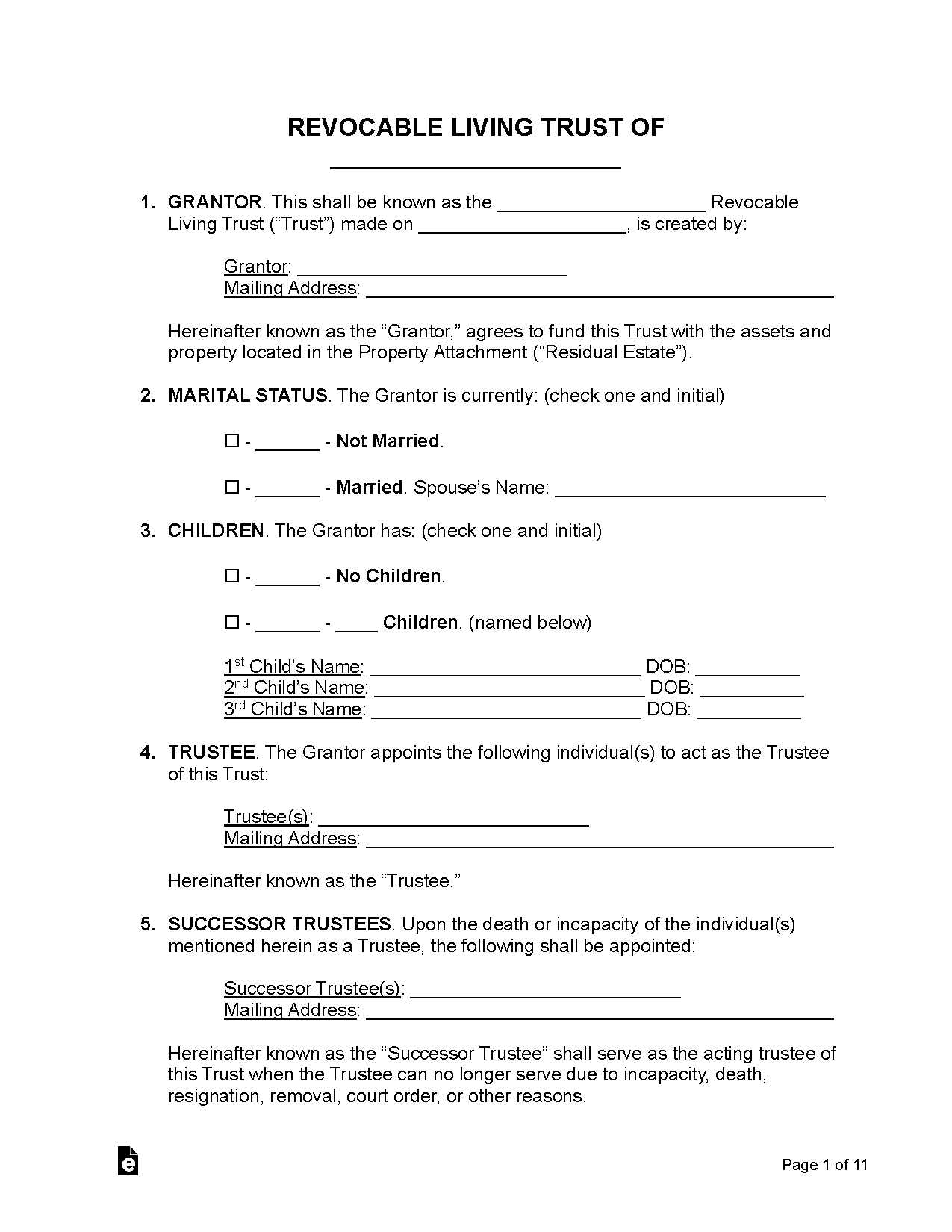
I have Power of Attorney for my mother; her residence is in Alabama. That POA explicitly states that I can create an inter vivos trust for her. I have downloaded and filled out a Revocable Living Trust form from eForms. When I sign anything for her today, I sign it " agent for principal" or I sign it ", by Agent". Is that way of signing the way to sign the Living Trust for her? She cannot sign it as she is not of sound mind to do so.
Lexi, Chatbot
I understand that navigating the legalities of creating a trust for your mother can be challenging. Have you already discussed the specifics of the trust with an attorney or legal professional?
No
Lexi, Chatbot
Are there any particular provisions or details in the trust that you are concerned about or need assistance with?
No, just the signature for her by me on the document.
Lexi, Chatbot
Is there anything else the Estate Lawyer should know before I connect you? Rest assured they’ll be able to help with your signature concerns.
No
Jon
Hello and thank you for reaching out! I’m Jon, a licensed attorney with over 13 years of experience, and I’m here to help.
I know legal matters can feel overwhelming, but you're in good hands. I’ll do my best to make things clear and provide you with the guidance you need. Let’s work together to find the right solution for your situation.
Jon
You want to know which of those is the proper way to sign it for her?
OK. Hello Jon. Yes, that is my question about signing the Living Trust. I’m unsure whether I sign that Trust document in the same way as I sign checks from her checking account, etc.
Jon
Understood! I think I have all the information I need, but is there anything else you'd like to add before I get started on your answer? If not, I'll start working on a response for you right away.
Nothing else.
Jon
Got it! I just need a few minutes to finish typing out a complete response for you. It won’t take long—around 4 or 5 minutes—as I want to make sure I provide you with a thorough and thoughtful reply.
Jon
This is a great question. When you're signing legal documents for someone else, especially a document as significant as a living trust, it's crucial to get the details right to ensure everything is legally sound.
The way you're currently signing documents for your mother—"Your Name, agent, for Her Name, principal" or "Her Name, by Your Name, Agent"—is generally the correct way to show you're acting in a representative capacity and not as an individual.
This method is designed to prevent any confusion about who is legally bound by the document. However, creating a living trust on behalf of someone else, even with explicit authority in a power of attorney (POA), is a complex legal matter.
Jon
The key is that the trust must clearly reflect that your mother is the one creating the trust (the grantor) and that you are signing on her behalf as her agent. The specific wording in the trust document and on the signature lines needs to be precise to ensure its validity.
A generic form from eForms may not be tailored to meet Alabama's specific legal requirements for trusts, which can lead to problems down the road. For example, Alabama law may have specific rules about witnesses, notarization, or the wording required for a trust to be valid.
OK, so what exactly is your answer to my question? In the Living Trust she would be identified as the Grantor. There’s language about having the legal capacity to make the trust affidavit. And the witnesses affirm that the Grantor appeared before them and appeared to be of sound mind and not under duress or undue influence. Will my signature as her Agent in every place that requires Grantor’s Signature be sufficient and valid? I’m asking from the perspective that she cannot sign the document.
Jon
Given your mother's residence in Alabama, I cannot provide legal advice, and you should consult with a qualified attorney to ensure a valid trust. However, regarding your question about signing as your mother's agent on a Revocable Living Trust, the key is the specific language in the form you're using. While signing as "Your Name, Agent, for Her Name, Principal" is the correct way to show you are acting in a representative capacity, the form's language about the grantor being of sound mind presents a direct conflict.
Since you are signing because your mother lacks the capacity to do so, you cannot truthfully affirm this statement, and doing so could potentially invalidate the trust. An Alabama attorney could draft a trust document specifically tailored to your mother's situation, accurately reflecting her incapacitation while still ensuring the trust is legally sound and enforceable. The issue here is not just the signature, but the entire document's wording in light of the circumstances.
OK. Thanks
Jon
Great! I do hope the information I provided was helpful and addressed your question. If there's anything else you need, please don't hesitate to reach out—I’m always happy to assist. Wishing you a fantastic day ahead!
15
6
Answered 4 days ago
Disclaimer
By messaging AskaLawyer.com, you agree to our Terms and have read our Privacy Policy.
The information provided on AskaLawyer.com is for general informational purposes only and does not constitute legal advice. While we strive to ensure the accuracy and timeliness of the information presented, we make no guarantees regarding its completeness or applicability to your specific circumstances.
Use of this website does not create an attorney-client relationship between you and AskaLawyer.com or any of its attorneys. Communications through this website, including any responses from attorneys, are not privileged or confidential. For advice tailored to your individual situation, we recommend consulting a licensed attorney in your jurisdiction.
AskaLawyer.com disclaims any liability for actions taken or not taken based on the content of this site. We are not responsible for any third-party content that may be accessed through this website. Reliance on any information provided herein is solely at your own risk.