[FL] [FL] Is it possible to prosecute a parent who lied about their income during child support hearings even if the child is now older?

FL Family

The last hearing was in 2023. The other parent testified that she was not working. She is now going through a divorce with her current partner, and through public records that I obtained, she testified that she was working since 2017 and depositing the money in an account in someone else’s name.

10

3

Jon
Jon

556 satisfied customers

View context
Solved

You may still have legal options if a parent lied about their income during child support hearings, even if your child is now older. In Florida, this kind of deception can have serious consequences, both under family law and potentially even criminal law.

When someone lies under oath in a legal proceeding—like a child support hearing—it’s considered perjury. This is a felony and can carry penalties of up to many years in prison. On top of that, family law rules require both parents to be honest and thorough when disclosing financial information. Intentionally hiding or misrepresenting income to lower child support is a serious violation. In cases where this kind of dishonesty completely undermines the court process, it may be seen as “fraud on the court,” which can lead to harsh consequences—such as reversing previous rulings or dismissing that parent’s legal claims.

Even though your child may be older now, you could still ask the court to revisit the original child support order. If you’ve recently discovered solid evidence showing that the other parent has been earning more than they claimed—especially as far back as 2017—that could qualify as a major change in circumstances. In that case, the court may decide to recalculate child support and order the other parent to pay the back support (arrears) they should have paid all along.

You might also be able to ask the court to throw out previous child support orders that were based on false testimony. In some cases, the court could find the parent in contempt, which might result in fines, community service, or even jail time. And while family court judges don’t often pursue criminal charges themselves, if the fraud is clearly documented, you could report it to the State Attorney’s Office. If they determine the deception was intentional and significant, they may choose to file criminal charges for perjury. That said, these cases are rare and require clear proof that the parent meant to lie.

Another option could be to ask the court to impose penalties—like making the other parent cover your attorney’s fees or other legal costs caused by their dishonesty.

To prove perjury, you’ll need to show that the parent knowingly made a false statement—not just that they were mistaken. If, for example, they admitted in more recent court documents (like during a divorce) that they’ve been working since 2017, that could be powerful evidence of intentional deceit. And if the lie affected the outcome of the child support decision—like reducing the amount they had to pay—that’s considered a “material” falsehood, which strengthens your case.

Ultimately, even though your child is now older, you can still pursue unpaid child support if you have strong evidence. Given how complex and serious this situation is, it’s crucial to consult with a local family law attorney—and possibly a criminal defense attorney too. They can walk you through your options, help you build your case, and give you a clear picture of what to expect moving forward.

But with the limited details provided, this is what I can share so far. If you have anything further to add, feel free to share more information so I can use that to provide a more precise answer. If you reply later, I appreciate your patience, and I’ll get back to you as soon as I can as I may be away from my computer at that time. Either way, let me know your thoughts—whether you have more to add or if this fully answers your question.

0

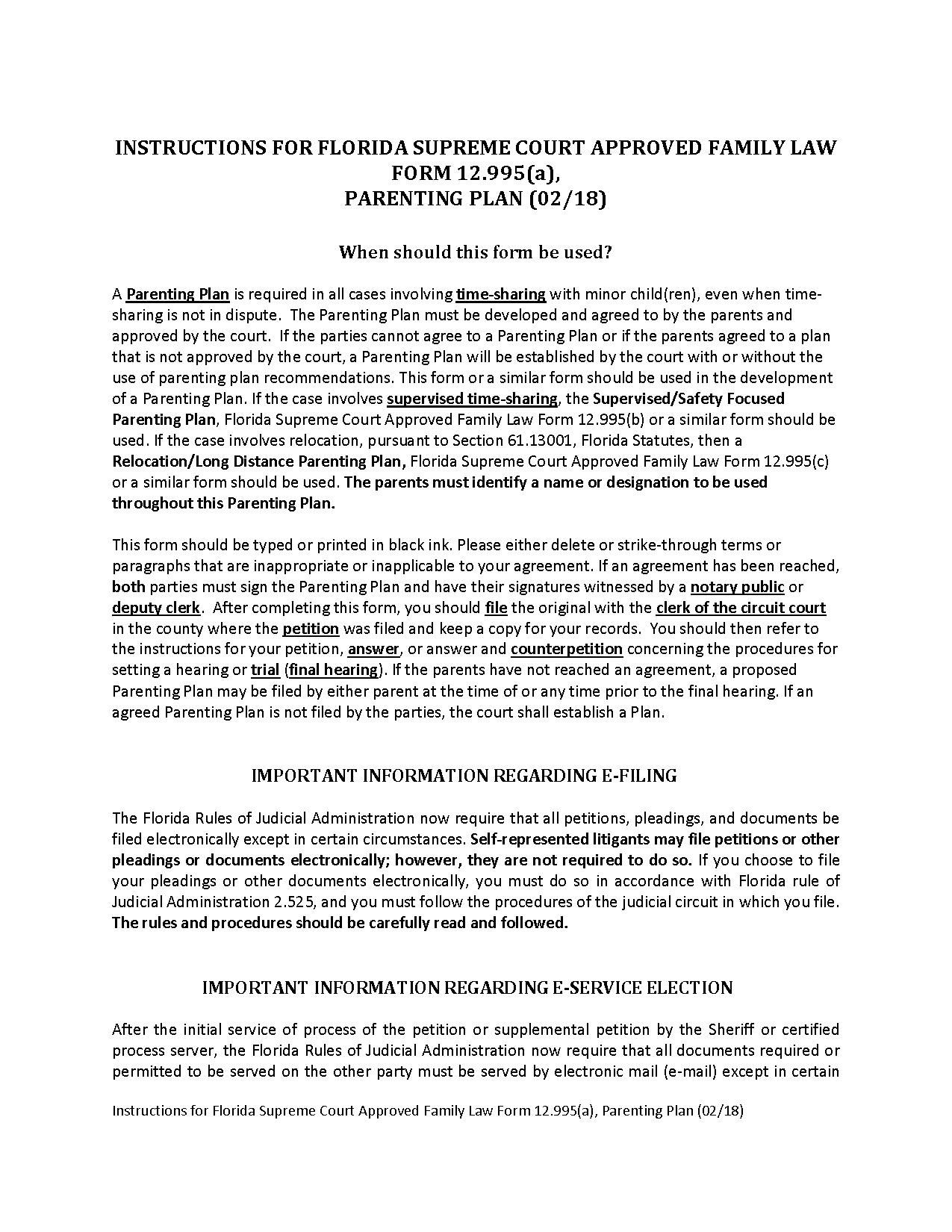
Florida Parenting Plan

Full Conversation


Is it possible to go prosecute a parent who lied about their income during child support hearings even if the child is now older?

Lexi

Lexi, Chatbot

I understand your concern. Can you tell me more about the child support hearings and when they took place?

The last hearing was in 2023. The other parent testified that she was not working. She is now going through a divorce with her current partner, and through public records that I obtained, she testified that she was working since 2017 and depositing the money in an account in someone else’s name.

Lexi

Lexi, Chatbot

Have there been any recent developments or changes in the parent’s financial situation that have prompted this question?

I obtained the court notes of her current situation, which has nothing to do with me or our child, and in them she testifies that she was working the whole time she was supposed to be paying child support.

Lexi

Lexi, Chatbot

Is there anything else the family lawyer should know before I connect you? Rest assured they’ll be able to help with your child support case.

Yes.

Jon

Jon

Hello! I'm delighted that you've chosen to contact AskALawyer for assistance. My name is Jon, and I'm here to assist you as an attorney.

I understand that dealing with legal issues can be stressful and confusing. Don't worry, I'm here to help, and I hope to provide you with a solution to your problem.

Do you want to go back to civil/family court?

Jon

Jon

You may still have legal options if a parent lied about their income during child support hearings, even if your child is now older. In Florida, this kind of deception can have serious consequences, both under family law and potentially even criminal law.

When someone lies under oath in a legal proceeding—like a child support hearing—it’s considered perjury. This is a felony and can carry penalties of up to many years in prison. On top of that, family law rules require both parents to be honest and thorough when disclosing financial information. Intentionally hiding or misrepresenting income to lower child support is a serious violation. In cases where this kind of dishonesty completely undermines the court process, it may be seen as “fraud on the court,” which can lead to harsh consequences—such as reversing previous rulings or dismissing that parent’s legal claims.

Even though your child may be older now, you could still ask the court to revisit the original child support order. If you’ve recently discovered solid evidence showing that the other parent has been earning more than they claimed—especially as far back as 2017—that could qualify as a major change in circumstances. In that case, the court may decide to recalculate child support and order the other parent to pay the back support (arrears) they should have paid all along.

You might also be able to ask the court to throw out previous child support orders that were based on false testimony. In some cases, the court could find the parent in contempt, which might result in fines, community service, or even jail time. And while family court judges don’t often pursue criminal charges themselves, if the fraud is clearly documented, you could report it to the State Attorney’s Office. If they determine the deception was intentional and significant, they may choose to file criminal charges for perjury. That said, these cases are rare and require clear proof that the parent meant to lie.

Another option could be to ask the court to impose penalties—like making the other parent cover your attorney’s fees or other legal costs caused by their dishonesty.

To prove perjury, you’ll need to show that the parent knowingly made a false statement—not just that they were mistaken. If, for example, they admitted in more recent court documents (like during a divorce) that they’ve been working since 2017, that could be powerful evidence of intentional deceit. And if the lie affected the outcome of the child support decision—like reducing the amount they had to pay—that’s considered a “material” falsehood, which strengthens your case.

Ultimately, even though your child is now older, you can still pursue unpaid child support if you have strong evidence. Given how complex and serious this situation is, it’s crucial to consult with a local family law attorney—and possibly a criminal defense attorney too. They can walk you through your options, help you build your case, and give you a clear picture of what to expect moving forward.

But with the limited details provided, this is what I can share so far. If you have anything further to add, feel free to share more information so I can use that to provide a more precise answer. If you reply later, I appreciate your patience, and I’ll get back to you as soon as I can as I may be away from my computer at that time. Either way, let me know your thoughts—whether you have more to add or if this fully answers your question.

Jon

Jon

I just wanted to follow up and see if you had any additional details to share, as I’m only working with the very limited initial information you provided so far. Even if I’ve already addressed your question, I’d love to hear back from you to make sure everything is clear or if there’s anything else you'd like to discuss.

Or do you have any additional questions about the legal aspects of this issue? I'm here to help, so please don’t hesitate to reach out with any further inquiries. Even if I’m not available right away, I’ll make it a priority to get back to you as soon as possible!

Jon

Jon

556 satisfied customers

Jon
Welcome! Have a similar question?

5 lawyers online now

Brandon
Brandon

Attorney

4.56 (16,155)

[CA] [CA] What are the minimum legal requirements for a postnup?

16

6

Answered 3 days ago

Andres Sanchez
Andres Sanchez

Attorney

4.73 (22,292)

[FL] [FL] Can a POA be signed in multiple states?

20

7

Answered 4 days ago

TJ, Esq.
TJ, Esq.

4.68 (17,778)

[GA] [GA] How do I legally change my name and gender?

14

5

Answered 4 days ago

Disclaimer


By messaging AskaLawyer.com, you agree to our Terms and have read our Privacy Policy.

The information provided on AskaLawyer.com is for general informational purposes only and does not constitute legal advice. While we strive to ensure the accuracy and timeliness of the information presented, we make no guarantees regarding its completeness or applicability to your specific circumstances.

Use of this website does not create an attorney-client relationship between you and AskaLawyer.com or any of its attorneys. Communications through this website, including any responses from attorneys, are not privileged or confidential. For advice tailored to your individual situation, we recommend consulting a licensed attorney in your jurisdiction.

AskaLawyer.com disclaims any liability for actions taken or not taken based on the content of this site. We are not responsible for any third-party content that may be accessed through this website. Reliance on any information provided herein is solely at your own risk.

Ask a Lawyer Logo
Ask a Lawyer Logo
Intake Questions
Step of 3
Loading...
Loading...

How do you like to pay?

By proceeding with payment, you agree to our Terms and Privacy Policy. You authorize us to charge $ today and $ thereafter until canceled. You may cancel anytime in the My Account section to stop future charges.

Total Due:

After purchasing, your chat will begin with an attorney.

By proceeding with payment, you agree to our Terms and Privacy Policy. You authorize us to charge $ today and $ thereafter until canceled. You may cancel anytime in the My Account section to stop future charges.

Total Due:

After purchasing, your chat will begin with an attorney.

It looks like you already have an account with Ask a Lawyer.

We have sent you a magic link to . Click the link in your email to sign in and continue your chat.

spin

Step of 6 •

You'll receive an email at as soon as the lawyer joins the conversation 🙏🏻😊

Over 90% of lawyers connect within 5 minutes. If you're not online at that moment, don't worry — the lawyer will reply to your message while you're away.

You're also welcome to stay in the chat while waiting to be connected 💬✨

Waiting for lawyer