[ID] Does Idaho law support my position that child care during medical leave qualifies as “work-related” due to temporary incapacity?
Yes. Idaho Rule of Family Law Procedure 120 supports an argument in your favor. While “work-related child care” typically refers to child care required so a parent can work, Idaho courts interpret that language flexibly when a parent is temporarily incapacitated for medical reasons.
If you were medically unable to care for your child—particularly with documentation from a doctor—child care during that period can reasonably be viewed as necessary for your health and the child’s welfare. Courts look at whether the care was necessary and consistent with the child’s established routine, and your situation clearly meets both criteria. Maintaining continuity during your recovery also aligns with the best interests of the child, a central concern in Idaho family law.
As for whether the other parent is legally required to pay their share even if you weren't working but were medically incapacitated: Yes. There’s a strong argument that the father remains responsible for his 80% share of the child care expenses incurred during your medical leave.
The decree doesn’t narrowly define “work-related,” nor does it exclude temporary incapacity. Since the care was necessary for your recovery and the child’s stability, a court would likely interpret the decree’s intent as requiring shared responsibility for essential child care—even during medical leave.
Medical incapacity is not voluntary unemployment. Courts are sympathetic to parents who face serious health issues, especially when they act responsibly to ensure their children’s stability. Denying reimbursement in this case could be viewed as inconsistent with the decree’s spirit and purpose.
Maintaining your child’s normal care routine during a period of medical recovery demonstrates sound judgment and focus on the child’s well-being. Courts prioritize continuity, stability, and the child’s best interests, and your decision directly supports those goals.
The fact that you accepted a temporary tuition reduction and are requesting only the father’s share of the reduced cost further demonstrates reasonableness and good faith.
Next Steps / Recommendations:
To strengthen your position, gather and retain:
- A doctor’s letter confirming your surgery and period of medical incapacity.
- Documentation showing your son’s enrollment dates and attendance.
- Invoices and proof of tuition adjustments from the child care provider.
- Emails or letters showing your good-faith efforts to resolve the matter with the father’s attorney.
If he continues to refuse payment, you may need to file a motion for clarification or enforcement of the existing Idaho order. A local Idaho family law attorney can assist with this, and you can find one at www.avvo.com.
Given the facts, a court will almost certainly find your actions reasonable and within the spirit of the decree. You handled this situation exactly as a responsible parent would.
0
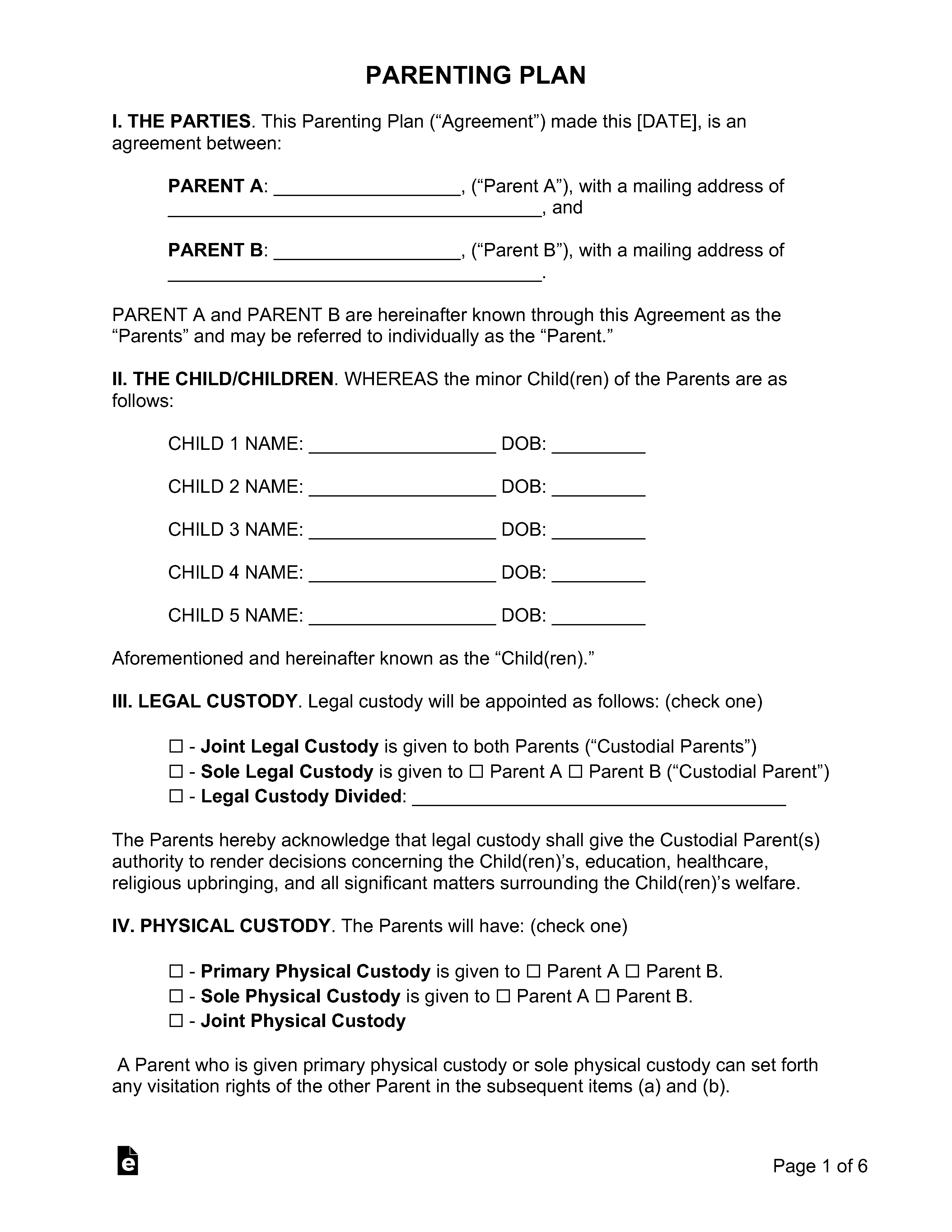
Parenting Plan (Custody Agreement)
Full Conversation
Does Idaho law (Rule 120) support my position that child care during medical leave qualifies as “work-related” due to temporary incapacity? Can the other parent be legally required to pay their share even if I wasn’t working but was medically incapacitated? Is the court likely to view my decision to maintain child care as reasonable and necessary under the decree?
Lexi, Chatbot
I understand your concern. Can you provide more details about your current custody arrangement and any specific language in the decree regarding child care responsibilities during medical leave?
The current custody arrangement is that I have full physical custody of our son. We reside in South Carolina, while his father lives in Idaho, where the court order was issued.
The decree states that his father and I are to share the cost of “work-related child care expenses,” with me responsible for 20% and him responsible for 80%. However, it does not specifically address situations involving medical leave or temporary incapacity.
During my recent six-week medical leave for surgery due to a cancer diagnosis, I continued paying for Theo’s child care. Although I was not actively working during that time, I was medically incapacitated. Child care remained necessary and continued on the same schedule to maintain consistency for Theo and support my recovery. The school also temporarily reduced the tuition, and I’m only requesting the father’s share of the actual reduced amounts for that period, as well as his share of the standard tuition rate for the weeks before and after my leave.
I believe this request aligns with the intent of the decree and Idaho’s Rule 120, which recognizes that child care may remain appropriate during periods of temporary incapacity. I’m happy to provide supporting documentation or clarify anything further.
Lexi, Chatbot
Have you discussed this situation with the other parent or attempted to come to an agreement outside of court regarding child care expenses during your medical leave?
Yes, I have attempted to address this with the other parent through his attorney, as we currently communicate through legal channels. I’ve explained the circumstances of my medical leave, the continued need for child care during that time, and that I’m only requesting his share of the actual reduced tuition costs.
So far, his position—through counsel—is that he may not be responsible for child care during the six weeks I was on medical leave, as it was not technically “work-related.” However, I believe the situation falls within the intent of the decree and Idaho law, given the nature of my temporary incapacity and the continued need for care.
I remain open to resolving this cooperatively and am willing to provide all relevant documentation.
Lexi, Chatbot
Is there anything else the family lawyer should know before I connect you? Rest assured they’ll be able to help with child care expenses.
No.
Blake
Hello, my name is Blake and I am a licensed attorney. I’ll be happy to help you today! Please keep in mind that this conversation is for informational purposes only and does not create an attorney-client relationship or constitute legal advice.
Your question is important, and I’ll do my best to provide clear, practical information.
First of all, how long ago did this happen, and where was it located?
My son was enrolled on March 3rd of this year. I had my surgery on March 26th. I reside in South Carolina, the father resides in Idaho.
Blake
Thank you for providing the background—your situation is deeply sympathetic, and I want to commend you for continuing to prioritize your child’s stability during such a difficult and vulnerable time.
Blake
Yes. Idaho Rule of Family Law Procedure 120 supports an argument in your favor. While “work-related child care” typically refers to child care required so a parent can work, Idaho courts interpret that language flexibly when a parent is temporarily incapacitated for medical reasons.
If you were medically unable to care for your child—particularly with documentation from a doctor—child care during that period can reasonably be viewed as necessary for your health and the child’s welfare. Courts look at whether the care was necessary and consistent with the child’s established routine, and your situation clearly meets both criteria. Maintaining continuity during your recovery also aligns with the best interests of the child, a central concern in Idaho family law.
As for whether the other parent is legally required to pay their share even if you weren't working but were medically incapacitated: Yes. There’s a strong argument that the father remains responsible for his 80% share of the child care expenses incurred during your medical leave.
The decree doesn’t narrowly define “work-related,” nor does it exclude temporary incapacity. Since the care was necessary for your recovery and the child’s stability, a court would likely interpret the decree’s intent as requiring shared responsibility for essential child care—even during medical leave.
Medical incapacity is not voluntary unemployment. Courts are sympathetic to parents who face serious health issues, especially when they act responsibly to ensure their children’s stability. Denying reimbursement in this case could be viewed as inconsistent with the decree’s spirit and purpose.
Maintaining your child’s normal care routine during a period of medical recovery demonstrates sound judgment and focus on the child’s well-being. Courts prioritize continuity, stability, and the child’s best interests, and your decision directly supports those goals.
The fact that you accepted a temporary tuition reduction and are requesting only the father’s share of the reduced cost further demonstrates reasonableness and good faith.
Next Steps / Recommendations:
To strengthen your position, gather and retain:
- A doctor’s letter confirming your surgery and period of medical incapacity.
- Documentation showing your son’s enrollment dates and attendance.
- Invoices and proof of tuition adjustments from the child care provider.
- Emails or letters showing your good-faith efforts to resolve the matter with the father’s attorney.
If he continues to refuse payment, you may need to file a motion for clarification or enforcement of the existing Idaho order. A local Idaho family law attorney can assist with this, and you can find one at www.avvo.com.
Given the facts, a court will almost certainly find your actions reasonable and within the spirit of the decree. You handled this situation exactly as a responsible parent would.
Disclaimer
By messaging AskaLawyer.com, you agree to our Terms and have read our Privacy Policy.
The information provided on AskaLawyer.com is for general informational purposes only and does not constitute legal advice. While we strive to ensure the accuracy and timeliness of the information presented, we make no guarantees regarding its completeness or applicability to your specific circumstances.
Use of this website does not create an attorney-client relationship between you and AskaLawyer.com or any of its attorneys. Communications through this website, including any responses from attorneys, are not privileged or confidential. For advice tailored to your individual situation, we recommend consulting a licensed attorney in your jurisdiction.
AskaLawyer.com disclaims any liability for actions taken or not taken based on the content of this site. We are not responsible for any third-party content that may be accessed through this website. Reliance on any information provided herein is solely at your own risk.