[NJ] [NJ] Can a tenant under age 18 sign the lease agreement, or should it be signed by his father who is paying the rent?
In New Jersey, like in most states, a lease agreement must be signed by someone who is legally able to enter into a contract—that means they must be at least 18 years old. Since the son is under 18, he cannot be held legally responsible for the terms of the lease. Therefore, the father (or any adult co-tenant) must be the primary signer and the legally responsible party for rent, damages, and all other obligations under the lease.
That said, you can list the son as an “occupant” in the lease. This clarifies that he is allowed to live in the unit but is not a party to the contract. If you’d still like the son to sign the lease for acknowledgment purposes, that’s generally fine—just understand that his signature would be more symbolic than enforceable, and he can’t be held to any legal responsibilities under the lease.
0
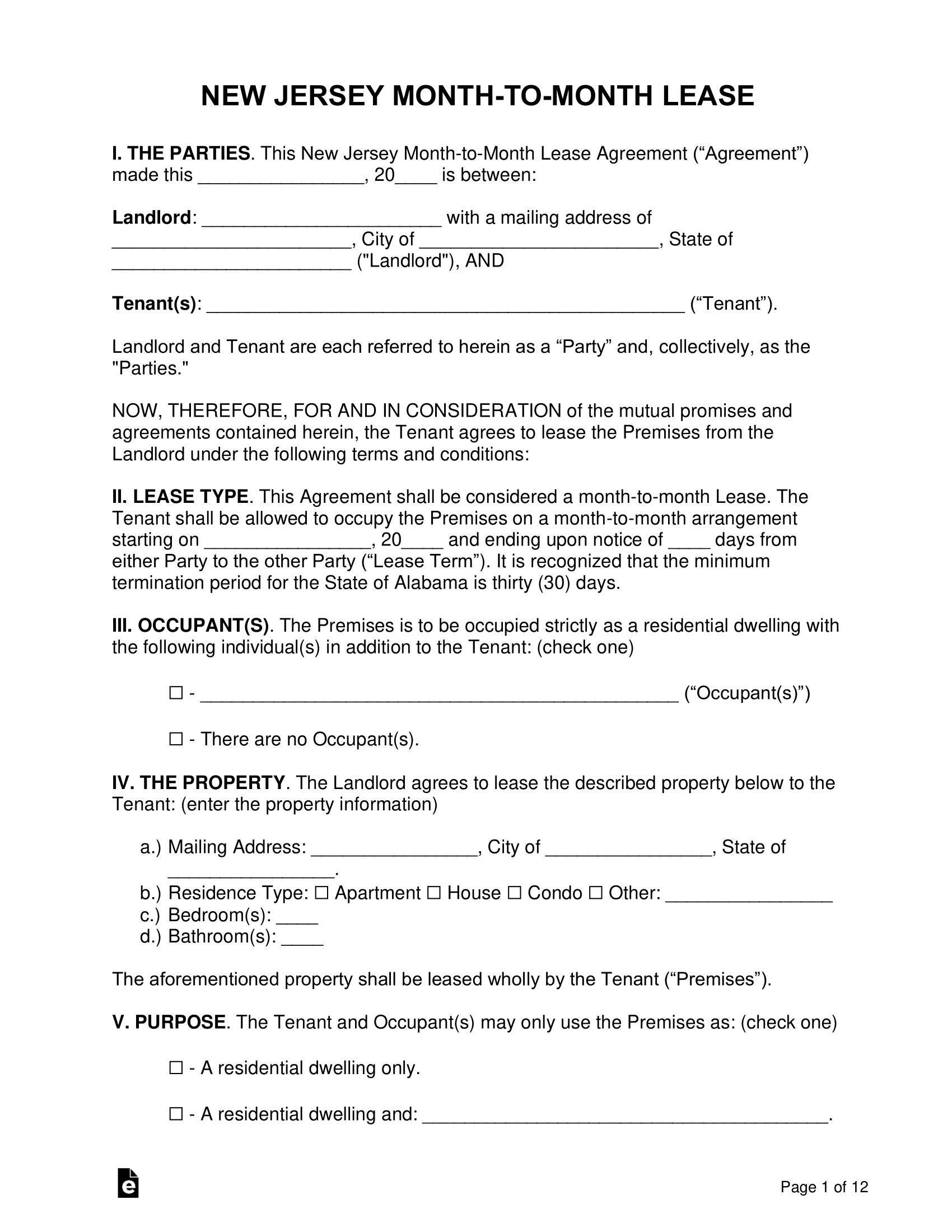
New Jersey Month-to-Month Lease Agreement
Full Conversation
Just completed a month-to-month lease on eForms and wanted to have the document checked before submitting to the tenant. The father is responsible for payment of rent, but the son—who is not 18 years old yet—will be the tenant.
Lexi, Chatbot
I understand the importance of ensuring your lease agreement is accurate. Who will be signing the lease on behalf of the tenant—the father or the son?
I wanted them both to sign the lease.
Lexi, Chatbot
Are there any specific terms or clauses in the lease agreement that you are concerned about or would like the lawyer to review?
I think that was my main concern.
Justin C
Hi there, thanks for choosing AskALawyer! I’m Justin, an Expert here to help answer your general legal questions. Don’t worry, the law can be complicated, but I’m here to break it down and provide clear, understandable answers. Let me know what’s going on, and I’ll do my best to assist you.
Thank you.
I just completed a month-to-month lease, specific to New Jersey where I live, using eForms.
Justin C
In New Jersey, like in most states, a lease agreement must be signed by someone who is legally able to enter into a contract—that means they must be at least 18 years old. Since the son is under 18, he cannot be held legally responsible for the terms of the lease. Therefore, the father (or any adult co-tenant) must be the primary signer and the legally responsible party for rent, damages, and all other obligations under the lease.
That said, you can list the son as an “occupant” in the lease. This clarifies that he is allowed to live in the unit but is not a party to the contract. If you’d still like the son to sign the lease for acknowledgment purposes, that’s generally fine—just understand that his signature would be more symbolic than enforceable, and he can’t be held to any legal responsibilities under the lease.
Ok, I understand now.
I did mention both names on the lease.
Justin C
That’s totally fine. Including both names on the lease—one as the tenant (the father) and the other as an occupant (the son)—is a common approach, especially when a minor will be living in the unit. Just make sure it’s clearly stated in the lease that the father is the tenant and legally responsible for the terms of the agreement, while the son is listed as an occupant only.
That would be all then! Thank you!
Justin C
You are most welcome. Have a good evening and best of luck!
20
6
Answered 3 days ago
11
4
Answered 4 days ago
Disclaimer
By messaging AskaLawyer.com, you agree to our Terms and have read our Privacy Policy.
The information provided on AskaLawyer.com is for general informational purposes only and does not constitute legal advice. While we strive to ensure the accuracy and timeliness of the information presented, we make no guarantees regarding its completeness or applicability to your specific circumstances.
Use of this website does not create an attorney-client relationship between you and AskaLawyer.com or any of its attorneys. Communications through this website, including any responses from attorneys, are not privileged or confidential. For advice tailored to your individual situation, we recommend consulting a licensed attorney in your jurisdiction.
AskaLawyer.com disclaims any liability for actions taken or not taken based on the content of this site. We are not responsible for any third-party content that may be accessed through this website. Reliance on any information provided herein is solely at your own risk.