[IN] Our apartment complex installed a new toilet that is not ADA compliant for my wife. Can we threaten legal action?
Yes. You can calmly say that if they don’t resolve it promptly, you’ll explore legal options for failure to accommodate under the Fair Housing Act (FHA) and the Americans with Disabilities Act (ADA). That sometimes motivates management to act quickly.
Key Points to Include in Your Written Request
- Clearly state that your wife has a medical condition that causes pain and difficulty using the current toilet.
- Emphasize that this is an emergency health and safety issue.
- Request immediate replacement of the toilet or installation of a suitable seat that accommodates her needs.
- Ask for confirmation that they received your request and what steps they will take today.
- Mention that if they cannot make the accommodation today, you’ll have to temporarily vacate for medical reasons and will seek legal assistance.
You’re doing exactly the right thing by staying calm, documenting everything, and asserting your wife’s rights under the Fair Housing Act (42 U.S.C. §3604(f)(3)(B)), which requires landlords to make reasonable accommodations in rules, policies, practices, or services when necessary for a person with a disability to have equal use and enjoyment of the home.
If they continue to refuse, you can file a complaint with:
- The HUD Office of Fair Housing and Equal Opportunity (FHEO)
- Or your local Indiana Civil Rights Commission (ICRC)
Both agencies investigate housing discrimination, including refusal to provide reasonable accommodations.
0
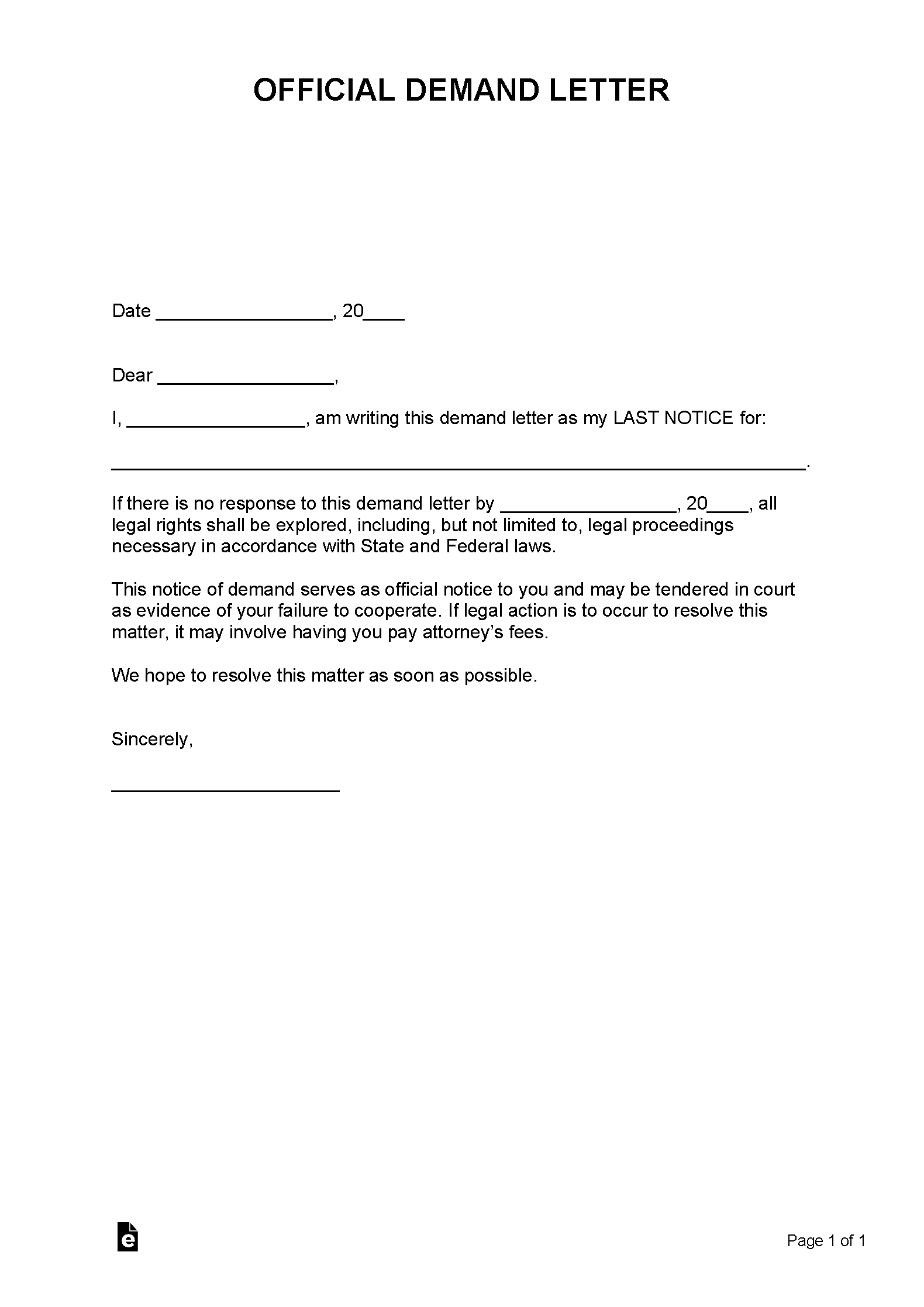
Official Demand Letter
Full Conversation
I need help with ADA laws.
Lexi, Chatbot
Sure, I understand. Can you tell me which aspect of the ADA you need help with?
My wife has a bladder condition, and our apartment complex is refusing to get us a toilet that doesn’t cause her physical pain.
Lexi, Chatbot
Are you referring to ADA laws related to fair housing?
Yes, fair housing.
Lexi, Chatbot
Got it. Is there anything else the lawyer should know before I connect you?
Yes.
Alex, Esq.
Hi there — I’m Alex, Esq. I’ve been a legal expert for over a decade, and I want to help you understand your rights under the ADA and Fair Housing Act.
First, I’m really sorry you and your wife are going through this. What has the apartment management said about your request so far?
We’re in Indiana. They made us follow their ADA accommodation request process, but then said we need a doctor to fill out a second form before they’ll even review it. Their legal department insists that a licensed healthcare provider must sign their form. But my understanding is that under fair housing law, verification can come from any reliable third party — not just a doctor.
Alex, Esq.
Who would that third party be?
They installed new toilets as an upgrade — we didn’t request it. They’re taller than the old ones, and my wife is physically small. Because of her bladder condition, she uses the bathroom often and for long periods, and now the height and shape cause her physical pain.
Alex, Esq.
That’s concerning. Did you have a chance to object before they changed the toilet?
They gave written notice, but we didn’t know it would be a problem until after installation.
Alex, Esq.
Got it. So now that it’s causing her pain, you asked them to replace it, and they told you to fill out an ADA form, correct?
Yes. But it’s Friday, and we can’t wait — she’s in pain and can’t go another weekend like this. Can we reasonably request that they put her in a hotel until this is resolved?
Alex, Esq.
If your wife can’t safely use the toilet and it’s creating a health and safety issue, that absolutely counts as an emergency accommodation request. You should stress that this is urgent.
However, while a temporary hotel stay could be reasonable if there’s no usable bathroom, it might be faster and cheaper to request an immediate replacement seat or toilet change instead. That would likely be seen as the most reasonable and proportional accommodation.
We already told them that a step stool won’t solve the problem — it’s not just height; the seat shape causes pain.
Alex, Esq.
Understood. You could suggest that they replace the seat with a different shape (like a round seat instead of elongated) as a temporary fix today, while the full accommodation request is being processed.
Can we tell them that if they don’t fix this today, I’ll be forced to leave the apartment for my wife’s health?
Alex, Esq.
Yes — that’s fair. Document everything and explain that she can’t safely or reasonably use the bathroom. If they refuse, note that you’ll have no choice but to seek alternate housing temporarily and pursue legal remedies for failure to accommodate.
Should we put that in writing?
Alex, Esq.
Yes. Always document. You can email them — that’s perfectly acceptable and creates a clear record. If you prefer a physical letter, that’s fine too, but an email timestamp works just as well.
If you hand-deliver a letter, you can ask them to sign acknowledging receipt. If they refuse, just document the date, time, and who you gave it to.
Is it okay to go in person and record the conversation if I tell them I’m recording?
Alex, Esq.
Yes. Indiana is a one-party consent state, meaning you can legally record as long as you are a participant in the conversation. Still, it’s polite — and often strategic — to tell them you’re recording.
Would recording in their office violate any privacy expectation?
Alex, Esq.
No, an office isn’t considered a “private” space like a home or bathroom. You can legally record in a management office if you’re part of the discussion.
Should I tell them that if they don’t handle this, we’ll seek legal help?
Alex, Esq.
Yes. You can calmly say that if they don’t resolve it promptly, you’ll explore legal options for failure to accommodate under the Fair Housing Act (FHA) and the Americans with Disabilities Act (ADA). That sometimes motivates management to act quickly.
Key Points to Include in Your Written Request
- Clearly state that your wife has a medical condition that causes pain and difficulty using the current toilet.
- Emphasize that this is an emergency health and safety issue.
- Request immediate replacement of the toilet or installation of a suitable seat that accommodates her needs.
- Ask for confirmation that they received your request and what steps they will take today.
- Mention that if they cannot make the accommodation today, you’ll have to temporarily vacate for medical reasons and will seek legal assistance.
You’re doing exactly the right thing by staying calm, documenting everything, and asserting your wife’s rights under the Fair Housing Act (42 U.S.C. §3604(f)(3)(B)), which requires landlords to make reasonable accommodations in rules, policies, practices, or services when necessary for a person with a disability to have equal use and enjoyment of the home.
If they continue to refuse, you can file a complaint with:
- The HUD Office of Fair Housing and Equal Opportunity (FHEO)
- Or your local Indiana Civil Rights Commission (ICRC)
Both agencies investigate housing discrimination, including refusal to provide reasonable accommodations.
Thank you — that helps a lot.
20
6
Answered 3 days ago
11
4
Answered 4 days ago
Disclaimer
By messaging AskaLawyer.com, you agree to our Terms and have read our Privacy Policy.
The information provided on AskaLawyer.com is for general informational purposes only and does not constitute legal advice. While we strive to ensure the accuracy and timeliness of the information presented, we make no guarantees regarding its completeness or applicability to your specific circumstances.
Use of this website does not create an attorney-client relationship between you and AskaLawyer.com or any of its attorneys. Communications through this website, including any responses from attorneys, are not privileged or confidential. For advice tailored to your individual situation, we recommend consulting a licensed attorney in your jurisdiction.
AskaLawyer.com disclaims any liability for actions taken or not taken based on the content of this site. We are not responsible for any third-party content that may be accessed through this website. Reliance on any information provided herein is solely at your own risk.