Is there a way to establish a maximum rent increase cap while allowing for consideration of insurance costs in a lease agreement?
The short answer:
You can include a special clause in the lease that caps general rent increases at 4% but specifically allows you to pass through any insurance cost increases to the tenant. You can also define exactly how the tenant’s share of insurance hikes will be calculated—like based on square footage or number of units. Finally, you can negotiate with the tenant to make sure they understand and agree to this exception so there aren’t any surprises later.
The long answer:
You'd set the normal 4% limit on base rent, but carve out a separate line saying the tenant will cover their proportional share of any insurance increases. This is common in commercial leases. Another option is a hybrid formula: base cap at 4%, but if insurance spikes beyond that, the landlord can add an extra charge equal to the tenant’s proportional share.
You can negotiate with the tenant and show them examples of past insurance increases to justify the need for flexibility.
Here is some wording you can use in the lease agreement:
"Tenant and Landlord agree that any increase in Base Rent upon renewal shall not exceed four percent (4%) of the prior year’s Base Rent, except that Landlord may increase Base Rent by an additional amount equal to any documented increases in Landlord’s operating expenses, including but not limited to insurance premiums, property taxes, and utilities costs directly related to the Premises. In no event shall the total annual rent increase exceed ___% of the prior year’s Base Rent."
0
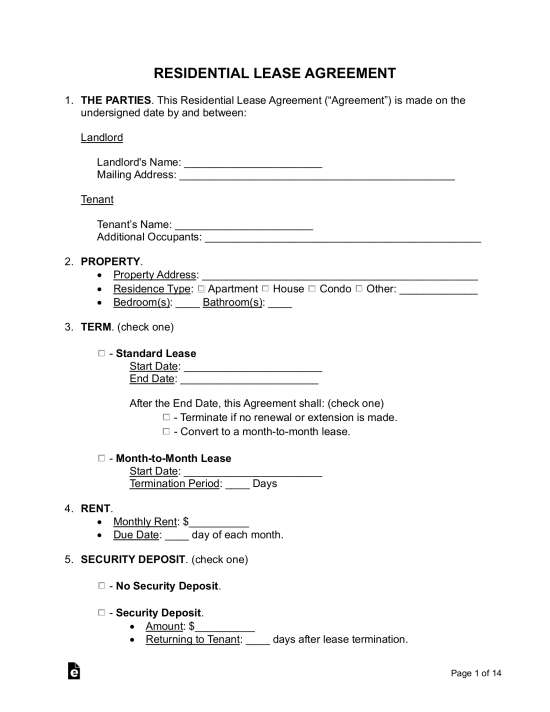
Residential Lease Agreement
Full Conversation
A potential tenant wants us to put a maximum amount on any rent increases in the renewal periods. The lease software does not have that provision, only CPI, fixed or negotiated. We have opted for negotiation but the tenant wants a maximum percentage. How do we handle that in the lease agreement?
I understand your concern. Have you discussed with the potential tenant why they are requesting a maximum percentage for rent increases in the renewal periods?
They want to make sure we don't increase the rent by an unusually high amount in order to get them to not renew.
Are there any specific laws or regulations in your area that dictate how rent increases can be structured in lease agreements?
I don't know.
Is there anything else the Landlord-Tenant Lawyer should know before I connect you? Rest assured they'll be able to help with your lease agreement.
The potential tenant suggested a maximum yearly increase of 4%. We are concerned that insurance costs will increase by more than that amount.
Have you considered proposing a compromise where the rent increase cap is tied to actual increases in operating costs (like insurance and taxes), or maybe a hybrid formula that sets a base cap (like 4%) but allows for additional increases if certain expenses rise significantly?
Yes, the tenant mentioned a cap of 4% but I am concerned about insurance increases. If our insurance increases more than 4% how can I word the lease agreement to allow for that additional expense?
Ok thanks! Just a few more questions. Do you want to pass through just the actual insurance cost increases above 4%, or do you also want flexibility to include other operating expenses if they rise unexpectedly?
I don't expect other expenses to rise significantly. The 4% would cover property taxes and maintenance expenses. We have 2 additional buildings on the property, so expenses would be shared with all tenants. So we are just interested in passing on the new tenant’s share of any big increases in insurance expenses.
The short answer:
You can include a special clause in the lease that caps general rent increases at 4% but specifically allows you to pass through any insurance cost increases to the tenant. You can also define exactly how the tenant’s share of insurance hikes will be calculated—like based on square footage or number of units. Finally, you can negotiate with the tenant to make sure they understand and agree to this exception so there aren’t any surprises later.
The long answer:
You'd set the normal 4% limit on base rent, but carve out a separate line saying the tenant will cover their proportional share of any insurance increases. This is common in commercial leases. Another option is a hybrid formula: base cap at 4%, but if insurance spikes beyond that, the landlord can add an extra charge equal to the tenant’s proportional share.
You can negotiate with the tenant and show them examples of past insurance increases to justify the need for flexibility.
Here is some wording you can use in the lease agreement:
"Tenant and Landlord agree that any increase in Base Rent upon renewal shall not exceed four percent (4%) of the prior year’s Base Rent, except that Landlord may increase Base Rent by an additional amount equal to any documented increases in Landlord’s operating expenses, including but not limited to insurance premiums, property taxes, and utilities costs directly related to the Premises. In no event shall the total annual rent increase exceed ___% of the prior year’s Base Rent."
Thank you.
20
6
Answered 2 days ago
11
4
Answered 3 days ago
Disclaimer
By messaging AskaLawyer.com, you agree to our Terms and have read our Privacy Policy.
The information provided on AskaLawyer.com is for general informational purposes only and does not constitute legal advice. While we strive to ensure the accuracy and timeliness of the information presented, we make no guarantees regarding its completeness or applicability to your specific circumstances.
Use of this website does not create an attorney-client relationship between you and AskaLawyer.com or any of its attorneys. Communications through this website, including any responses from attorneys, are not privileged or confidential. For advice tailored to your individual situation, we recommend consulting a licensed attorney in your jurisdiction.
AskaLawyer.com disclaims any liability for actions taken or not taken based on the content of this site. We are not responsible for any third-party content that may be accessed through this website. Reliance on any information provided herein is solely at your own risk.