[MO] [MO] Is my brother-in-law legally considered a tenant in my home?
In tenancy law, several factors may support your case. Verbal agreements can be legally binding if there is proof of the terms and both parties acted on them, though they can be harder to prove.
1. Verbal (oral) lease agreements are enforceable in Missouri: Under Missouri law, verbal rental agreements can be legally binding so long as the lease term is one year or less.
This follows Missouri’s Statute of Frauds (RSMo § 432.010), which requires leases longer than one year to be in writing — but oral agreements for shorter periods are enforceable.
To prove an oral lease, courts look for evidence such as:
- Payment of rent,
- Text messages or emails confirming terms,
- The landlord allowing ongoing occupancy,
- Conduct showing both sides understood there was a rental arrangement.
Even without a written lease, Missouri recognizes these agreements as valid month-to-month tenancies unless otherwise specified (RSMo § 441.060).
2. Distinguishing a tenant from a guest: In Missouri, the distinction between a tenant and a guest depends on several factors:
- Length of stay
- Whether the person keeps belongings there
- Whether they contribute financially (rent, utilities, supplies)
- Whether they receive mail at the address
- Whether they have established the property as their primary residence
Tenants have significantly more legal rights than guests and can only be removed through formal eviction procedures.
If a person has lived on the property for a meaningful amount of time, Missouri courts may view them as a tenant rather than a guest, even if the landlord argues otherwise.
3. Implied tenancy in Missouri: Missouri law recognizes implied tenancy.
- Implied Month-to-Month Tenancy (RSMo § 441.060): If someone lives in a property with the landlord’s knowledge and pays rent or contributes financially, a month-to-month tenancy is automatically created, even if no written lease exists.
- Tenancy at Will: If no clear rental interval is established, but both parties behave as though a housing arrangement exists, it may be deemed a tenancy at will, still requiring formal eviction to terminate.
4. Tenant protections still apply: Even without a written lease, an implied tenant is entitled to:
- Proper notice to terminate, and
- Formal eviction proceedings under Missouri’s unlawful detainer statutes (RSMo Chapters 534 & 535).
A landlord cannot simply remove someone labeled a “guest” when the facts show tenant-like behavior.
0
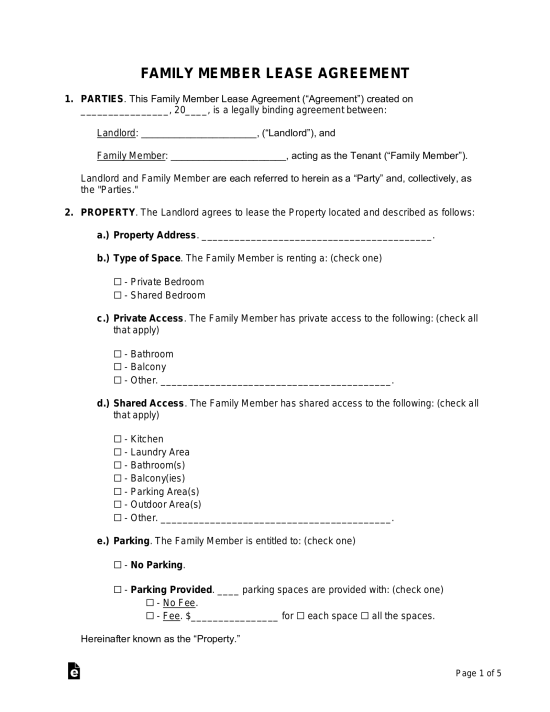
Family-Member Lease Agreement
Full Conversation
Tennant
Lexi, Chatbot
I understand that dealing with tenant issues can be quite stressful. What specific issue are you facing as a tenant?
I don't know if someone living in my house is considered a tennant.
Lexi, Chatbot
Have you already taken any steps to address this issue, such as communicating with your landlord or seeking mediation?
No.
Lexi, Chatbot
Is there anything else the lawyer should know before I connect you? Rest assured they’ll be able to help with your tenant inquiry.
Yes.
Seth
Hey there! I'm Seth, an attorney with many years of experience. I understand you're unsure if someone living in your house is considered a tenant. Have you had any discussions with them about their status or any agreements in place?
Disclaimer: Just a note—our conversation is for general legal information only and does not establish an attorney-client relationship.
Good morning, long story short my brother-in-law was getting in trouble in Missouri.
Seth
Good morning! It sounds like there's a situation with your brother-in-law in Missouri. Could you tell me a bit more about what kind of trouble he's facing there?
He used to live in Missouri. After getting a DUI and losing his license, we offered to let him move down for a bit rent and bill-free so he could start college and save some money to get him set up for the future.
Seth
Got it, thanks for sharing that. It sounds like you were trying to help him get back on his feet. Did you have any kind of written or verbal agreement with him about how long he could stay or any conditions for living there?
Verbal — would be help around the house, stay in school. No specific time limit.
Seth
Thanks for clarifying that. It sounds like you had a mutual understanding. Has anything changed recently that's causing concern about his status in your home?
Have there been any recent issues or changes in his behavior that are making you reconsider the arrangement?
Seth
In tenancy law, several factors may support your case. Verbal agreements can be legally binding if there is proof of the terms and both parties acted on them, though they can be harder to prove.
1. Verbal (oral) lease agreements are enforceable in Missouri: Under Missouri law, verbal rental agreements can be legally binding so long as the lease term is one year or less.
This follows Missouri’s Statute of Frauds (RSMo § 432.010), which requires leases longer than one year to be in writing — but oral agreements for shorter periods are enforceable.
To prove an oral lease, courts look for evidence such as:
- Payment of rent,
- Text messages or emails confirming terms,
- The landlord allowing ongoing occupancy,
- Conduct showing both sides understood there was a rental arrangement.
Even without a written lease, Missouri recognizes these agreements as valid month-to-month tenancies unless otherwise specified (RSMo § 441.060).
2. Distinguishing a tenant from a guest: In Missouri, the distinction between a tenant and a guest depends on several factors:
- Length of stay
- Whether the person keeps belongings there
- Whether they contribute financially (rent, utilities, supplies)
- Whether they receive mail at the address
- Whether they have established the property as their primary residence
Tenants have significantly more legal rights than guests and can only be removed through formal eviction procedures.
If a person has lived on the property for a meaningful amount of time, Missouri courts may view them as a tenant rather than a guest, even if the landlord argues otherwise.
3. Implied tenancy in Missouri: Missouri law recognizes implied tenancy.
- Implied Month-to-Month Tenancy (RSMo § 441.060): If someone lives in a property with the landlord’s knowledge and pays rent or contributes financially, a month-to-month tenancy is automatically created, even if no written lease exists.
- Tenancy at Will: If no clear rental interval is established, but both parties behave as though a housing arrangement exists, it may be deemed a tenancy at will, still requiring formal eviction to terminate.
4. Tenant protections still apply: Even without a written lease, an implied tenant is entitled to:
- Proper notice to terminate, and
- Formal eviction proceedings under Missouri’s unlawful detainer statutes (RSMo Chapters 534 & 535).
A landlord cannot simply remove someone labeled a “guest” when the facts show tenant-like behavior.
Seth
Let me know if you have any questions or clarifications, if not I'll move forward with guidance.
Seth
Hi there! Checking in to see if I was able to resolve your concerns today? Please let me know if I can help clarify anything else. I want to ensure you are satisfied with my services.
Seth
Since I have not heard from you, I will presume your question was answered and your concerns addressed. If you require further assistance, please let me know. I will be more than happy to continue assisting you. Otherwise, wishing you all the best!
20
6
Answered 3 days ago
11
4
Answered 4 days ago
Disclaimer
By messaging AskaLawyer.com, you agree to our Terms and have read our Privacy Policy.
The information provided on AskaLawyer.com is for general informational purposes only and does not constitute legal advice. While we strive to ensure the accuracy and timeliness of the information presented, we make no guarantees regarding its completeness or applicability to your specific circumstances.
Use of this website does not create an attorney-client relationship between you and AskaLawyer.com or any of its attorneys. Communications through this website, including any responses from attorneys, are not privileged or confidential. For advice tailored to your individual situation, we recommend consulting a licensed attorney in your jurisdiction.
AskaLawyer.com disclaims any liability for actions taken or not taken based on the content of this site. We are not responsible for any third-party content that may be accessed through this website. Reliance on any information provided herein is solely at your own risk.