Am I legally allowed to tell my tenant that they cannot garden or have an inflatable pool, as I pay for the water?
Since you’re creating a new lease, you have the opportunity to clearly outline any rules about what tenants can or cannot do, such as gardening or using inflatable pools.
These rules can absolutely be included, as long as they’re reasonable and enforceable. It's important to balance your right to manage the property with the tenant’s right to enjoy it. As long as your lease doesn’t overstep legal boundaries or infringe on tenant rights, you're well within your rights to include such clauses.
If you're covering the water bill, you should definitely specify who pays and what activities might result in higher usage. You might even add that if the tenant wants to engage in water-heavy activities, they must cover the extra cost.
Just make sure your terms are clear and in line with local laws. That way, everyone is on the same page and you can avoid potential disputes.
0
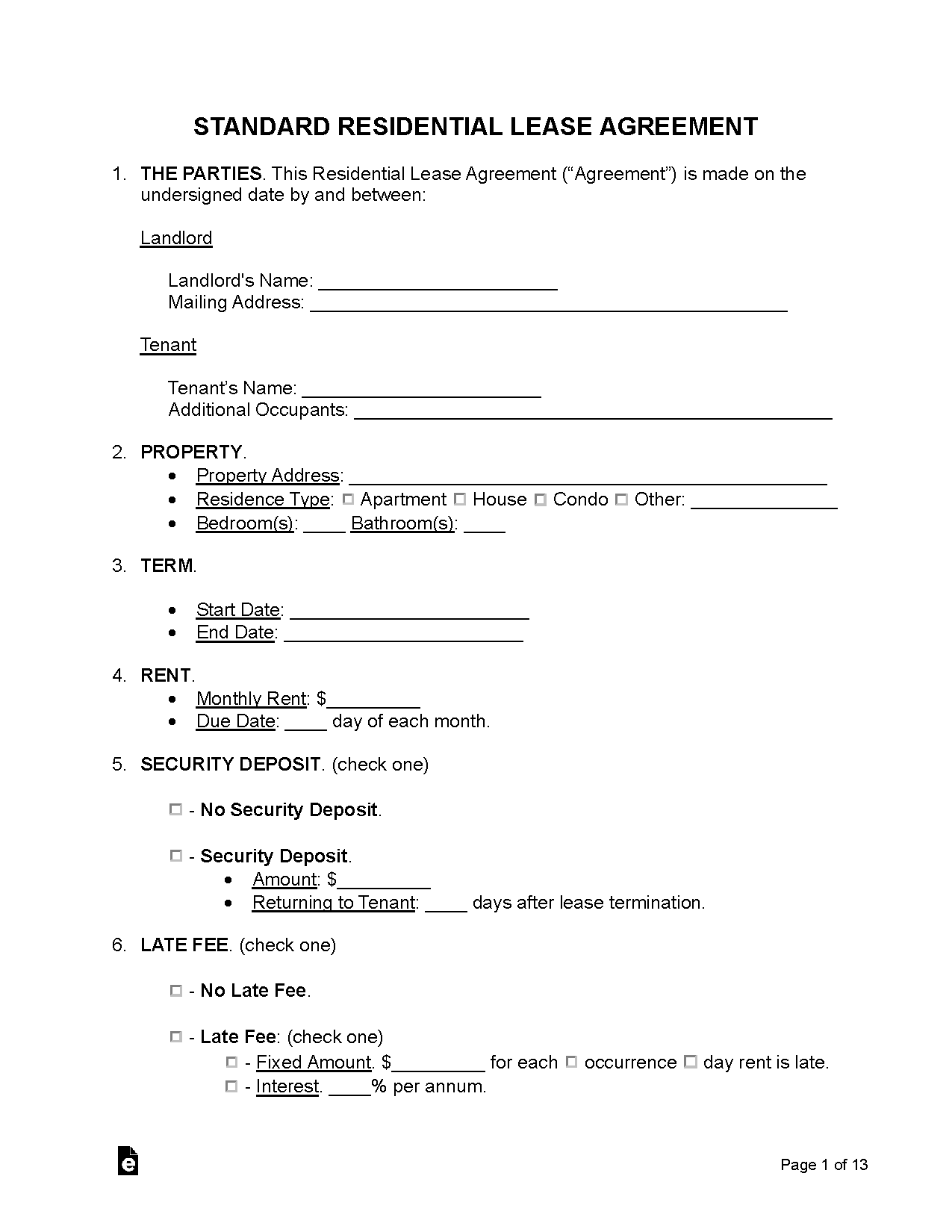
Standard Residential Lease Agreement
Full Conversation
Am I legally allowed to tell my tenant that they cannot garden or have an inflatable pool, as I pay for the water?
Lexi, Chatbot
I understand you're looking to make changes to your property. Is there anything else the lawyer should know before I connect you?
No.
Infolawyer
You can generally impose rules on your tenants regarding what they can and can’t do on the property, including prohibiting gardening or setting up an inflatable pool, especially if these activities could potentially affect the property or water usage.
Since you are paying for the water, it makes sense to set expectations in the lease agreement about water usage and activities that might lead to extra costs or damage. However, any restrictions you impose should be clear in the lease terms and must not violate tenant rights or local laws. Make sure your rules are reasonable and enforceable to avoid legal issues.
Does your lease agreement currently cover these types of restrictions, or are you looking to make a change?
I will be creating a new lease as the current lease does not state the rules about gardening or having the inflatable pool.
Infolawyer
Since you’re creating a new lease, you have the opportunity to clearly outline any rules about what tenants can or cannot do, such as gardening or using inflatable pools.
These rules can absolutely be included, as long as they’re reasonable and enforceable. It's important to balance your right to manage the property with the tenant’s right to enjoy it. As long as your lease doesn’t overstep legal boundaries or infringe on tenant rights, you're well within your rights to include such clauses.
If you're covering the water bill, you should definitely specify who pays and what activities might result in higher usage. You might even add that if the tenant wants to engage in water-heavy activities, they must cover the extra cost.
Just make sure your terms are clear and in line with local laws. That way, everyone is on the same page and you can avoid potential disputes.
Thank you for your help.
Infolawyer
You're very welcome! I'm happy I could help!
20
6
Answered 3 days ago
11
4
Answered 4 days ago
Disclaimer
By messaging AskaLawyer.com, you agree to our Terms and have read our Privacy Policy.
The information provided on AskaLawyer.com is for general informational purposes only and does not constitute legal advice. While we strive to ensure the accuracy and timeliness of the information presented, we make no guarantees regarding its completeness or applicability to your specific circumstances.
Use of this website does not create an attorney-client relationship between you and AskaLawyer.com or any of its attorneys. Communications through this website, including any responses from attorneys, are not privileged or confidential. For advice tailored to your individual situation, we recommend consulting a licensed attorney in your jurisdiction.
AskaLawyer.com disclaims any liability for actions taken or not taken based on the content of this site. We are not responsible for any third-party content that may be accessed through this website. Reliance on any information provided herein is solely at your own risk.