[FL] [FL] My nonprofit is in dispute with our city about certain authorities under Statute 943.0438. What can I do?
From what you’ve shared, Florida Statute 943.0438 specifically says that for athletic coaches affiliated with independent sanctioning authorities — which often includes nonprofit sports leagues — the background checks should be performed by a nongovernmental agency, typically the league itself, not the city government. This statute is designed in part to provide an exemption pathway for coaches, giving leagues flexibility to handle vetting rather than imposing city-level mandates that may not align with the statute’s framework.
The city’s stance that they must be the ones conducting the background checks, and their refusal to recognize the exemption process, seems to contradict the state law’s language and purpose. This disagreement often boils down to interpretations of jurisdiction and authority: cities sometimes assert their own ordinances or regulations require them to do background checks for safety and liability reasons, even if the state statute contemplates otherwise for independent organizations like yours.
Unfortunately, without the city’s cooperation, your organization could face operational difficulties or compliance challenges that might threaten your programs.
From a legal perspective, you have several possible avenues to address this dispute:
- Seek Formal Guidance: Obtain a formal legal opinion or guidance from the Florida Department of Law Enforcement or the state agency overseeing athletic or nonprofit organizations. Such an opinion could clarify whether the city’s position is legally supportable.
- Review Local Ordinances: Examine any local ordinances or city codes that the city claims authorize their role in the background checks. State statutes generally preempt conflicting local regulations under Florida’s home rule laws.
- Negotiate or Mediate: Engage in mediation or negotiation with the city to create a mutually acceptable process that complies with state law and addresses the city’s safety concerns.
- Litigation: If necessary, consider filing for declaratory relief or another legal action to challenge the city’s authority.
It’s crucial to document all communications with the city and keep detailed records of your compliance efforts under the statute, including any exemptions coaches have pursued or received.
In short, you have a solid statutory basis to argue for your nonprofit’s role in conducting the background checks and allowing exemptions. Still, you’ll need to examine the city’s claimed legal authority and decide whether to resolve it through clarification, negotiation, or litigation.
0
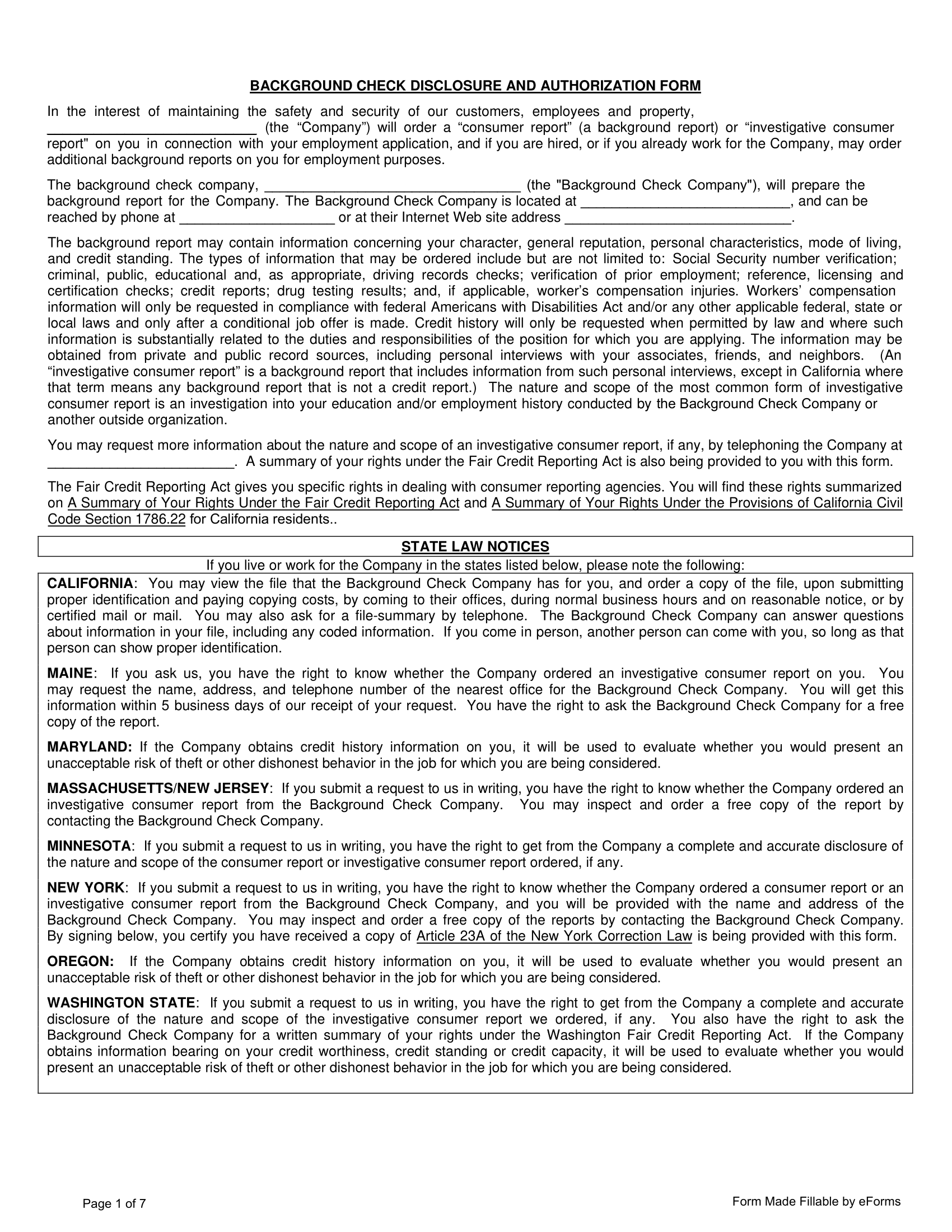
Background Check Authorization Form
Full Conversation
My 501(c)(3) organization is in a dispute with our city.
Lexi, Chatbot
I’m sorry to hear about the dispute with your city. Can you provide more details about the nature of the dispute?
Florida Statute 943.0438 — Athletic Coaches for Independent Sanctioning Authorities — states that background checks should be conducted by a nongovernmental agency, which should be the football league. Our city is saying they are responsible for this, despite the Florida statute. This is important because this statute allows for coaches to go through an exemption process, which the city says they are not obligated to do under their statute.
Lexi, Chatbot
Have you tried to resolve the issue with the city through any formal or informal means so far?
Yes.
Lexi, Chatbot
Is there anything else the lawyer should know before I connect you? Rest assured they’ll be able to help with your legal issue.
Yes.
Angelo M
Greetings! I hope this message finds you well. I’m thrilled to have the opportunity to assist you with your situation and provide you with the support you need. Thank you for your patience, and I look forward to working with you.
Angelo M
From what you’ve shared, Florida Statute 943.0438 specifically says that for athletic coaches affiliated with independent sanctioning authorities — which often includes nonprofit sports leagues — the background checks should be performed by a nongovernmental agency, typically the league itself, not the city government. This statute is designed in part to provide an exemption pathway for coaches, giving leagues flexibility to handle vetting rather than imposing city-level mandates that may not align with the statute’s framework.
The city’s stance that they must be the ones conducting the background checks, and their refusal to recognize the exemption process, seems to contradict the state law’s language and purpose. This disagreement often boils down to interpretations of jurisdiction and authority: cities sometimes assert their own ordinances or regulations require them to do background checks for safety and liability reasons, even if the state statute contemplates otherwise for independent organizations like yours.
Unfortunately, without the city’s cooperation, your organization could face operational difficulties or compliance challenges that might threaten your programs.
From a legal perspective, you have several possible avenues to address this dispute:
- Seek Formal Guidance: Obtain a formal legal opinion or guidance from the Florida Department of Law Enforcement or the state agency overseeing athletic or nonprofit organizations. Such an opinion could clarify whether the city’s position is legally supportable.
- Review Local Ordinances: Examine any local ordinances or city codes that the city claims authorize their role in the background checks. State statutes generally preempt conflicting local regulations under Florida’s home rule laws.
- Negotiate or Mediate: Engage in mediation or negotiation with the city to create a mutually acceptable process that complies with state law and addresses the city’s safety concerns.
- Litigation: If necessary, consider filing for declaratory relief or another legal action to challenge the city’s authority.
It’s crucial to document all communications with the city and keep detailed records of your compliance efforts under the statute, including any exemptions coaches have pursued or received.
In short, you have a solid statutory basis to argue for your nonprofit’s role in conducting the background checks and allowing exemptions. Still, you’ll need to examine the city’s claimed legal authority and decide whether to resolve it through clarification, negotiation, or litigation.
Angelo M
I hope I was able to help you and answer all of your questions and concerns. Is there any part of my response that you need clarification on or any further information? Did you have any other questions on this subject for me today?
9
3
Answered 1 week ago
10
3
Answered 3 weeks ago
Disclaimer
By messaging AskaLawyer.com, you agree to our Terms and have read our Privacy Policy.
The information provided on AskaLawyer.com is for general informational purposes only and does not constitute legal advice. While we strive to ensure the accuracy and timeliness of the information presented, we make no guarantees regarding its completeness or applicability to your specific circumstances.
Use of this website does not create an attorney-client relationship between you and AskaLawyer.com or any of its attorneys. Communications through this website, including any responses from attorneys, are not privileged or confidential. For advice tailored to your individual situation, we recommend consulting a licensed attorney in your jurisdiction.
AskaLawyer.com disclaims any liability for actions taken or not taken based on the content of this site. We are not responsible for any third-party content that may be accessed through this website. Reliance on any information provided herein is solely at your own risk.