What should I include in a liability waiver?


Hello, we have a large property parcel and have family and friends come to the property to camp, bike ride, hike, etc. We are very concerned about someone getting hurt or that a tree falls on their $150k motor home, etc.

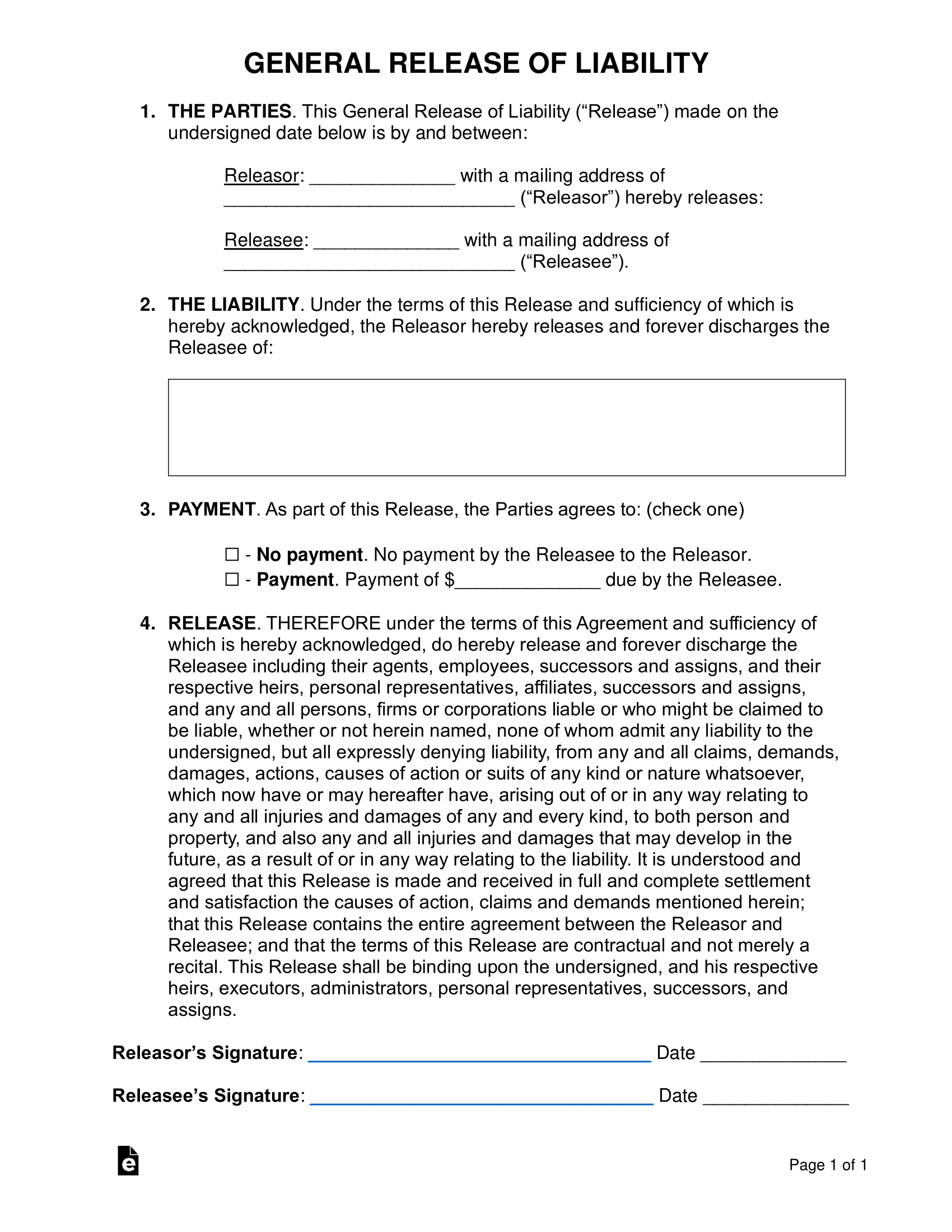
I have started a liability release form, but can you recommend additional text? I like the idea of a single sheet of paper and a place for the person to sign so it’s fast and not awkward for parties involved.

10

3

PaulmoJD
PaulmoJD

105,770 satisfied customers

View context
Solved

There are several mandatory clauses that need to be included in your release, which I will briefly mention. When dealing with liability waivers, especially for situations involving land use and recreational activities, it is crucial to understand that no waiver can guarantee absolute protection from lawsuits. Courts can, and often do, scrutinize these documents heavily. However, a well-drafted liability release form can significantly strengthen your position and act as a strong deterrent, potentially limiting your liability.

Given the specifics of your situation, which involves a large property, camping, biking, hiking, potential for falling trees, and high-value vehicles like RVs, here is some mandatory and highly recommended text to include. It is essential to consult with an attorney specializing in liability waivers or premises liability before implementing any such form. They can tailor it to your specific property, activities, and your state's legal nuances.

Here is a breakdown of key clauses and concepts:

Make the title very clear, prominent, and in a larger font.

Clearly state who is granting the release (the participant) and who is being released (you as the property owner, and potentially your family, agents, employees, and so on).

Acknowledgment of Risks – Comprehensive and Specific: This is perhaps the most critical section. It must explicitly list potential dangers. Avoid vague language. The more specific, the better.

Explicitly state that the participant voluntarily assumes all risks.

Release and Waiver of Claims: The core release. It must be broad and clear that the participant is giving up their right to sue.

Indemnification Clause: Protects you if someone else, such as a family member of the participant, sues you due to the participant’s injury.

Understanding and Acknowledgment Clause: Confirms the participant understands what they are signing.

Specify which state’s laws will govern and where any legal action would take place.

If children will be present and participating, you must have a separate section for a parent or legal guardian to sign on their behalf, acknowledging their understanding and assumption of risk for the minor.

Make sure the form is easy to read. Use clear, simple language, avoiding overly legalistic jargon where possible, while maintaining legal effectiveness. Do not use extremely small font. Keep signed copies of every form.

0

Liability Release

Full Conversation


Hello, we have a large property parcel and have family and friends come to the property to camp, bike ride, hike, etc. We are very concerned about someone getting hurt or that a tree falls on their $150k motor home, etc.

I have started a liability release form, but can you recommend additional text? I like the idea of a single sheet of paper and a place for the person to sign so it’s fast and not awkward for parties involved.

Lexi

Lexi, Chatbot

I understand your concern about liability on your property. Have you consulted with a lawyer before drafting the liability release form?

No

Lexi

Lexi, Chatbot

Are there specific activities or areas on your property that you want to make sure are covered in the liability release form?

Yes, any and everything—property, personal injury, tick bites, anything!

Lexi

Lexi, Chatbot

Is there anything else the Lawyer should know before I connect you? Rest assured they’ll be able to help with your liability release form.

No

PaulmoJD

PaulmoJD

Hello and welcome to AskaLawyer. I am a Law Educator, and I am pleased to assist you today with providing you the answers you are seeking for educational purposes only, and no attorney-client relationship is formed. Sometimes responses and replies take time, and we ask you to be courteous and patient to allow the expert to type answers to you and also to others.

You want to make family and friends sign a release form to come onto your property?

PaulmoJD

PaulmoJD

There are several mandatory clauses that need to be included in your release, which I will briefly mention. When dealing with liability waivers, especially for situations involving land use and recreational activities, it is crucial to understand that no waiver can guarantee absolute protection from lawsuits. Courts can, and often do, scrutinize these documents heavily. However, a well-drafted liability release form can significantly strengthen your position and act as a strong deterrent, potentially limiting your liability.

Given the specifics of your situation, which involves a large property, camping, biking, hiking, potential for falling trees, and high-value vehicles like RVs, here is some mandatory and highly recommended text to include. It is essential to consult with an attorney specializing in liability waivers or premises liability before implementing any such form. They can tailor it to your specific property, activities, and your state's legal nuances.

Here is a breakdown of key clauses and concepts:

Make the title very clear, prominent, and in a larger font.

Clearly state who is granting the release (the participant) and who is being released (you as the property owner, and potentially your family, agents, employees, and so on).

Acknowledgment of Risks – Comprehensive and Specific: This is perhaps the most critical section. It must explicitly list potential dangers. Avoid vague language. The more specific, the better.

Explicitly state that the participant voluntarily assumes all risks.

Release and Waiver of Claims: The core release. It must be broad and clear that the participant is giving up their right to sue.

Indemnification Clause: Protects you if someone else, such as a family member of the participant, sues you due to the participant’s injury.

Understanding and Acknowledgment Clause: Confirms the participant understands what they are signing.

Specify which state’s laws will govern and where any legal action would take place.

If children will be present and participating, you must have a separate section for a parent or legal guardian to sign on their behalf, acknowledging their understanding and assumption of risk for the minor.

Make sure the form is easy to read. Use clear, simple language, avoiding overly legalistic jargon where possible, while maintaining legal effectiveness. Do not use extremely small font. Keep signed copies of every form.

PaulmoJD

PaulmoJD

Also, consider posting signs on your property that reiterate “AT YOUR OWN RISK” warnings, especially at entry points or near hazardous areas. This helps reinforce the waiver. A waiver is not a substitute for adequate liability insurance. Ensure your homeowner’s or land insurance policy covers recreational use by guests and has sufficient liability limits, especially considering the value of modern RVs and potential medical costs.

Discuss this specifically with your insurance agent. Some states' laws can be complex regarding waivers, especially concerning gross negligence or willful misconduct. No waiver can release you from liability for gross negligence or intentional harm.

PaulmoJD

PaulmoJD

105,770 satisfied customers

PaulmoJD
Welcome! Have a similar question?

5 lawyers online now

Disclaimer


By messaging AskaLawyer.com, you agree to our Terms and have read our Privacy Policy.

The information provided on AskaLawyer.com is for general informational purposes only and does not constitute legal advice. While we strive to ensure the accuracy and timeliness of the information presented, we make no guarantees regarding its completeness or applicability to your specific circumstances.

Use of this website does not create an attorney-client relationship between you and AskaLawyer.com or any of its attorneys. Communications through this website, including any responses from attorneys, are not privileged or confidential. For advice tailored to your individual situation, we recommend consulting a licensed attorney in your jurisdiction.

AskaLawyer.com disclaims any liability for actions taken or not taken based on the content of this site. We are not responsible for any third-party content that may be accessed through this website. Reliance on any information provided herein is solely at your own risk.

Ask a Lawyer Logo
Ask a Lawyer Logo
Intake Questions
Step of 3
Loading...
Loading...

How do you like to pay?

By proceeding with payment, you agree to our Terms and Privacy Policy. You authorize us to charge $ today and $ thereafter until canceled. You may cancel anytime in the My Account section to stop future charges.

Total Due:

After purchasing, your chat will begin with an attorney.

By proceeding with payment, you agree to our Terms and Privacy Policy. You authorize us to charge $ today and $ thereafter until canceled. You may cancel anytime in the My Account section to stop future charges.

Total Due:

After purchasing, your chat will begin with an attorney.

It looks like you already have an account with Ask a Lawyer.

We have sent you a magic link to . Click the link in your email to sign in and continue your chat.

spin

Step of 6 •

You'll receive an email at as soon as the lawyer joins the conversation 🙏🏻😊

Over 90% of lawyers connect within 5 minutes. If you're not online at that moment, don't worry — the lawyer will reply to your message while you're away.

You're also welcome to stay in the chat while waiting to be connected 💬✨

Waiting for lawyer