Can I sue my parent for mental distress?
I’m really sorry you’ve experienced that. Based on what you’ve shared, you may have a solid foundation for an emotional distress or psychological abuse case, especially since you’ve been in therapy since age 17.
Filing a lawsuit against a parent for mental duress and trauma is complex and sensitive. Here’s a general guide on how it works in the U.S.—I can tailor it more if you share your state.
You’re likely looking at claims for:
- Intentional Infliction of Emotional Distress (IIED)
- Negligent Infliction of Emotional Distress (NIED)
- Or possibly childhood psychological abuse.
To prove IIED, for example, you'd need to show:
- Extreme and outrageous conduct by your father.
- That it was intentional or reckless.
- That it caused you severe emotional distress, backed by professional evidence.
Some challenges include proving that the conduct was objectively outrageous and that your distress was severe, which often requires documentation like therapy records or diagnoses.
Also, there are statutes of limitation. Many states give you 2–3 years after turning 18, or from the date you “discovered” the trauma’s impact (e.g., during therapy). Some, like California and Texas, offer extended time for childhood abuse cases.
Here’s how to build your case:
1. Therapy Records
Get all records and diagnoses from your therapist, especially anything linking your symptoms to your dad’s abuse. A summary letter from your therapist can be powerful.
2. Medical Records
Include any documentation of physical symptoms like insomnia, panic attacks, or prescriptions.
3. Employment Records
Gather anything showing job instability caused by your trauma (e.g., termination letters, pay stubs).
4. Personal Documentation
Keep a journal, list key incidents, and describe how they impacted your life and relationships.
5. Witnesses
Anyone who observed his behavior or your distress (family, friends, teachers, etc.).
If you're in Texas, you may have until age 43 to file for childhood abuse. California offers similar flexibility.
Next steps:
- Consult an attorney (personal injury or family law). Many offer free consultations and only get paid if you win.
- Check your dad’s financial situation. If he can’t pay damages, a lawsuit may be more about accountability than compensation.
- Consider alternatives like therapy, protective orders, or victim compensation programs if a full lawsuit feels too overwhelming.
If you confirm your current state, I can give more specific guidance.
0
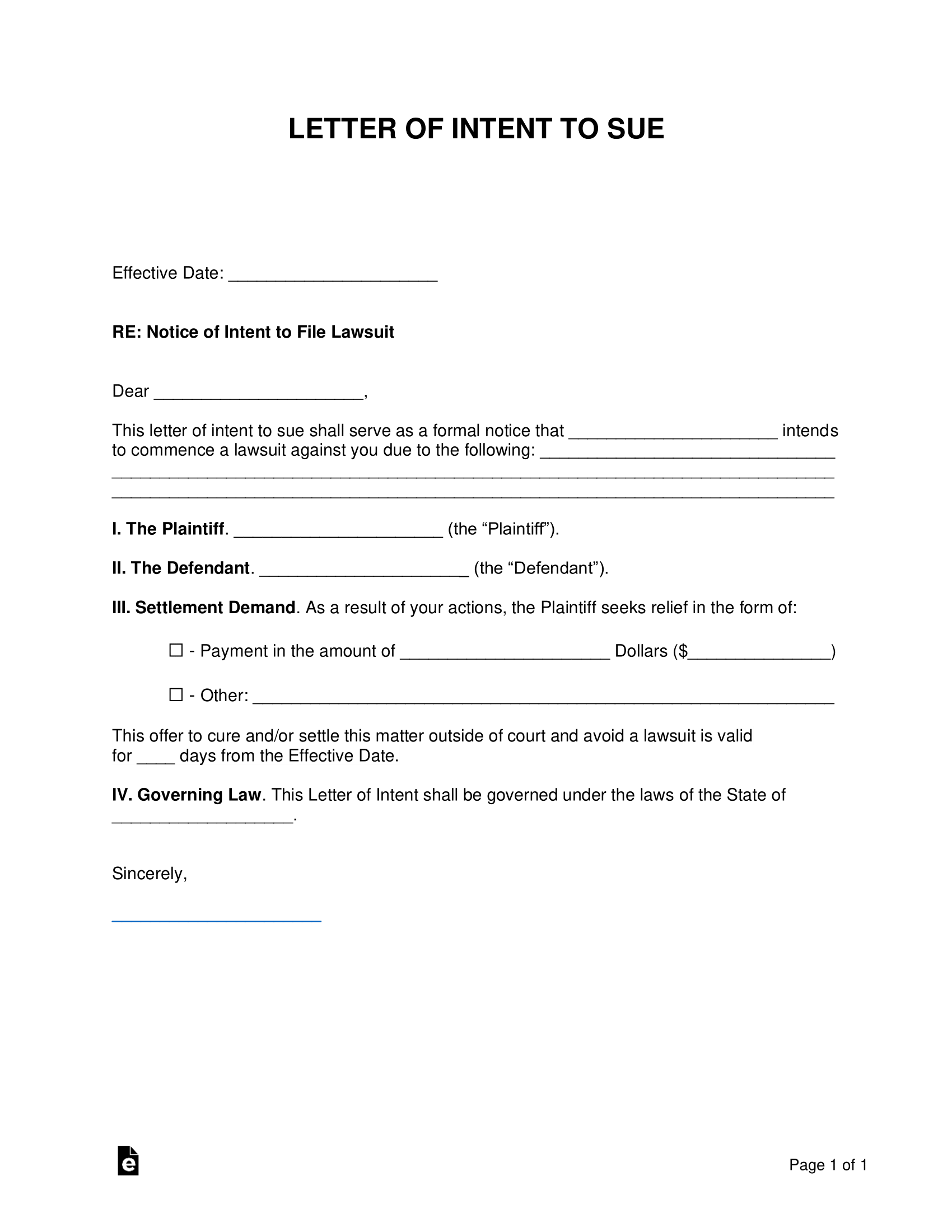
Letter of Intent to Sue
Full Conversation
Can I sue my dad for mental distress that’s caused me trauma and severely affected all areas of my life?
Tony Attorney
Hey there! Welcome to AskaLawyer. I'm Tony, an attorney with many years of experience.
My dad has inflicted a lot of abuse on me that's affected me badly—I can’t keep a job or have stable relationships. I started therapy when I was 17 because of his controlling and abusive ways. I’ve lost everything.
Tony Attorney
I’m really sorry you’ve experienced that. Based on what you’ve shared, you may have a solid foundation for an emotional distress or psychological abuse case, especially since you’ve been in therapy since age 17.
Filing a lawsuit against a parent for mental duress and trauma is complex and sensitive. Here’s a general guide on how it works in the U.S.—I can tailor it more if you share your state.
You’re likely looking at claims for:
- Intentional Infliction of Emotional Distress (IIED)
- Negligent Infliction of Emotional Distress (NIED)
- Or possibly childhood psychological abuse.
To prove IIED, for example, you'd need to show:
- Extreme and outrageous conduct by your father.
- That it was intentional or reckless.
- That it caused you severe emotional distress, backed by professional evidence.
Some challenges include proving that the conduct was objectively outrageous and that your distress was severe, which often requires documentation like therapy records or diagnoses.
Also, there are statutes of limitation. Many states give you 2–3 years after turning 18, or from the date you “discovered” the trauma’s impact (e.g., during therapy). Some, like California and Texas, offer extended time for childhood abuse cases.
Here’s how to build your case:
1. Therapy Records
Get all records and diagnoses from your therapist, especially anything linking your symptoms to your dad’s abuse. A summary letter from your therapist can be powerful.
2. Medical Records
Include any documentation of physical symptoms like insomnia, panic attacks, or prescriptions.
3. Employment Records
Gather anything showing job instability caused by your trauma (e.g., termination letters, pay stubs).
4. Personal Documentation
Keep a journal, list key incidents, and describe how they impacted your life and relationships.
5. Witnesses
Anyone who observed his behavior or your distress (family, friends, teachers, etc.).
If you're in Texas, you may have until age 43 to file for childhood abuse. California offers similar flexibility.
Next steps:
- Consult an attorney (personal injury or family law). Many offer free consultations and only get paid if you win.
- Check your dad’s financial situation. If he can’t pay damages, a lawsuit may be more about accountability than compensation.
- Consider alternatives like therapy, protective orders, or victim compensation programs if a full lawsuit feels too overwhelming.
If you confirm your current state, I can give more specific guidance.
9
2
Answered 2 weeks ago
15
7
Answered 1 month ago
10
3
Answered 1 month ago
Disclaimer
By messaging AskaLawyer.com, you agree to our Terms and have read our Privacy Policy.
The information provided on AskaLawyer.com is for general informational purposes only and does not constitute legal advice. While we strive to ensure the accuracy and timeliness of the information presented, we make no guarantees regarding its completeness or applicability to your specific circumstances.
Use of this website does not create an attorney-client relationship between you and AskaLawyer.com or any of its attorneys. Communications through this website, including any responses from attorneys, are not privileged or confidential. For advice tailored to your individual situation, we recommend consulting a licensed attorney in your jurisdiction.
AskaLawyer.com disclaims any liability for actions taken or not taken based on the content of this site. We are not responsible for any third-party content that may be accessed through this website. Reliance on any information provided herein is solely at your own risk.