[FL] ER doctors gave me IVP dye during a CT scan despite my thyroid issue. Can I sue?

I was hospitalized on July 30 with diverticulitis. I had a CAT scan using IVP dye. I have long-term thyroid issues, and several weeks later I started having symptoms of thyrotoxicosis. I went to the ER for heart palpitations, dizziness, and shortness of breath intermittently. The ER doctor checked my thyroid levels, showing I was very hyperthyroid, and proceeded to do another CAT scan with IVP dye. I continued to have these symptoms, even returning to the emergency room several days later. Both ER doctors would not address my thyroid medication, and my doctor was on vacation. From my research and what my primary care physician said, the IVP dye possibly should not have been given to me with thyroid issues. Is this something even worth pursuing?

16

5

Jon
Jon

556 satisfied customers

View context
Solved

You’ve brought up some really important and complex questions about how IVP contrast dye, iodine, and your pre-existing thyroid condition might interact.

It’s completely understandable to worry that the CT scans with IVP dye could have triggered your thyrotoxicosis symptoms. Iodine is a major component in many contrast dyes, and too much iodine can indeed trigger or worsen hyperthyroidism, especially in people with Graves’ disease or Hashimoto’s. This is a well-known medical fact.

Whether this could be considered medical malpractice is more complicated. To make a malpractice claim, you generally need to prove four things:

  1. The doctor had a duty to provide proper care.
  2. They breached that duty by not following accepted standards of care (§766.102).
  3. The breach caused your injury (the thyrotoxicosis).
  4. You suffered measurable harm — such as medical costs, lost wages, or pain and suffering.

The hardest element to prove is often the breach. You’d need to show that a reasonable ER doctor, knowing your thyroid history, should have recognized the risk and either avoided the contrast or taken precautions.

A key question is whether the ER doctors knew about your thyroid issues. If that was documented in your chart and ignored, your claim becomes stronger. But if they didn’t have that information, it may be seen as an unfortunate but not negligent medical decision.

Your primary care doctor listing the dye as an allergy is a smart step to protect you in the future, but that alone doesn’t prove negligence.

Whether pursuing this legally is worth it depends on your personal goals and the damages you’ve suffered. Medical malpractice cases are complex, expensive, and time-consuming. The best next step would be consulting a malpractice attorney who can review your medical records and get a medical expert’s opinion on whether there was a breach of care.

0

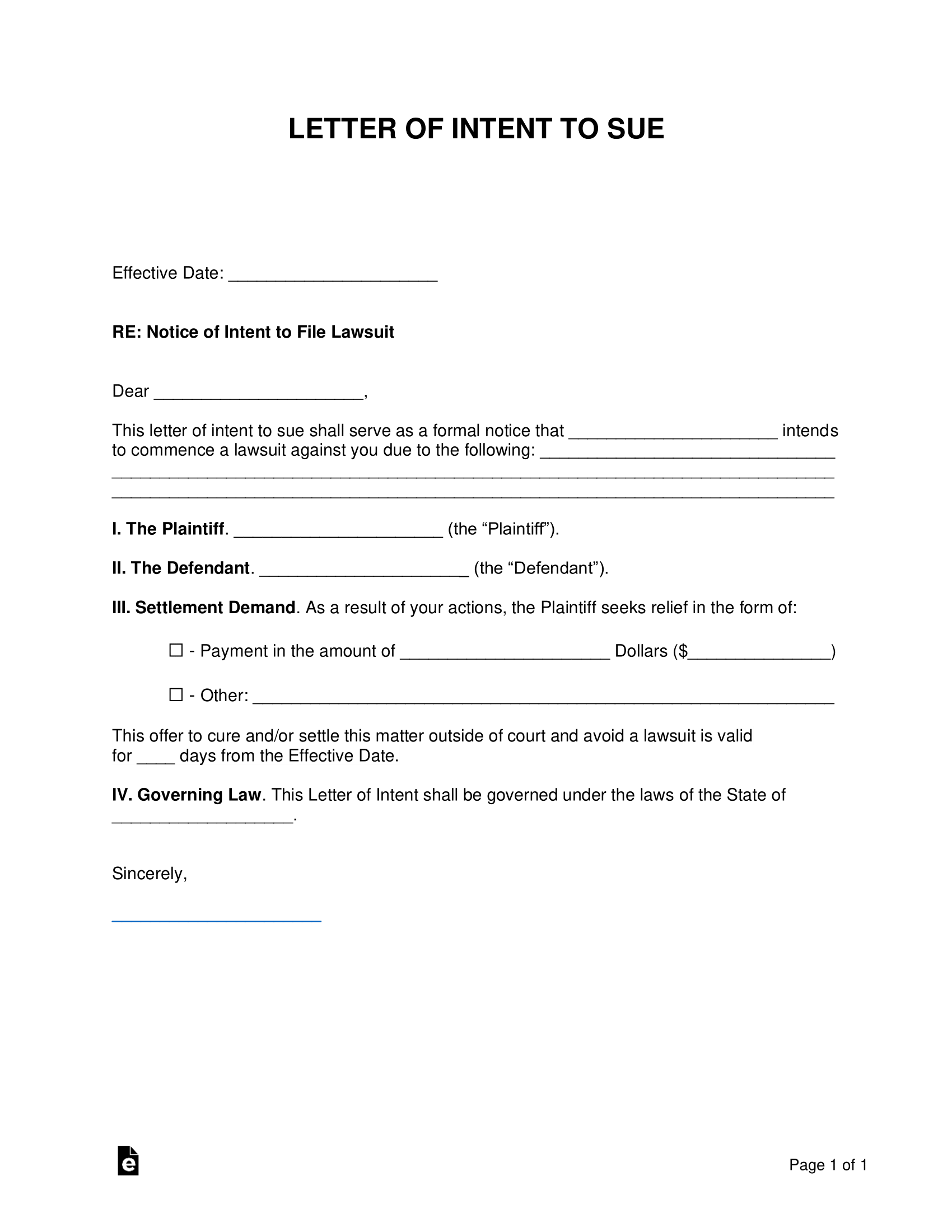
Letter of Intent to Sue

Full Conversation


I was hospitalized on July 30 with diverticulitis. I had a CAT scan using IVP dye. I have long-term thyroid issues, and several weeks later I started having symptoms of thyrotoxicosis. I went to the ER for heart palpitations, dizziness, and shortness of breath intermittently. The ER doctor checked my thyroid levels, showing I was very hyperthyroid, and proceeded to do another CAT scan with IVP dye. I continued to have these symptoms, even returning to the emergency room several days later. Both ER doctors would not address my thyroid medication, and my doctor was on vacation. From my research and what my primary care physician said, the IVP dye possibly should not have been given to me with thyroid issues. Is this something even worth pursuing?

Lexi

Lexi, Chatbot

I’m sorry to hear about your health struggles; that sounds very challenging. Have you already consulted with a medical professional regarding the potential impact of the IVP dye on your thyroid condition?

Yes, my primary physician agrees and added that medication as an allergy. Although it’s not a true allergy, she believes it affected my thyroid. My question is, from my research — I’m a nurse — iodine can cause thyrotoxicosis, especially in people with Graves’ disease or Hashimoto’s, which I have.

Lexi

Lexi, Chatbot

Have you kept records of your medical visits, treatments, and any communications with your healthcare providers related to this issue?

I currently am, but they still want me to see a cardiologist, and I see him on the 28th. My primary physician does not think it’s my heart. She said all my tests look fine but still wants me to follow up with him. She thinks it’s related to my thyroid — all of the symptoms I’ve been having.

Lexi

Lexi, Chatbot

Is there anything else the lawyer should know before I connect you? Rest assured they’ll be able to help with your medical situation.

Yes.

Jon

Jon

Hello and thank you for reaching out to AskaLawyer! I’m Jon, a licensed attorney with over 13 years of experience, here to help. Legal matters can feel overwhelming, but you’re in good hands. I’ll make sure things are clear and guide you toward the best solution for your situation. What state did this medical procedure occur in?

Florida.

Jon

Jon

Are you looking to determine if there is a potential medical malpractice case based on the facts you’ve provided?

Yes. From my understanding, people with known thyroid problems possibly should not be receiving iodine or should be cautious about using iodine, which is in the IVP dye for CAT scans.

Jon

Jon

Understood! I believe I have all the information I need. Is there anything else you’d like to add before I start working on your answer? If not, I’ll get started right away.

No.

Jon

Jon

You’ve brought up some really important and complex questions about how IVP contrast dye, iodine, and your pre-existing thyroid condition might interact.

It’s completely understandable to worry that the CT scans with IVP dye could have triggered your thyrotoxicosis symptoms. Iodine is a major component in many contrast dyes, and too much iodine can indeed trigger or worsen hyperthyroidism, especially in people with Graves’ disease or Hashimoto’s. This is a well-known medical fact.

Whether this could be considered medical malpractice is more complicated. To make a malpractice claim, you generally need to prove four things:

  1. The doctor had a duty to provide proper care.
  2. They breached that duty by not following accepted standards of care (§766.102).
  3. The breach caused your injury (the thyrotoxicosis).
  4. You suffered measurable harm — such as medical costs, lost wages, or pain and suffering.

The hardest element to prove is often the breach. You’d need to show that a reasonable ER doctor, knowing your thyroid history, should have recognized the risk and either avoided the contrast or taken precautions.

A key question is whether the ER doctors knew about your thyroid issues. If that was documented in your chart and ignored, your claim becomes stronger. But if they didn’t have that information, it may be seen as an unfortunate but not negligent medical decision.

Your primary care doctor listing the dye as an allergy is a smart step to protect you in the future, but that alone doesn’t prove negligence.

Whether pursuing this legally is worth it depends on your personal goals and the damages you’ve suffered. Medical malpractice cases are complex, expensive, and time-consuming. The best next step would be consulting a malpractice attorney who can review your medical records and get a medical expert’s opinion on whether there was a breach of care.

Ok, thank you.

Jon

Jon

 
Jon

Jon

556 satisfied customers

Jon
Welcome! Have a similar question?

5 lawyers online now

Angelo M
Angelo M

Managing Attorney, Juris Doctorate

4.56 (14,444)

How can I get legal representation for ongoing neglect and improper care as a 25-year-old quadriplegic?

15

7

Answered 1 month ago

Queeneth E. Esq
Queeneth E. Esq

Commercial Contracts Attorney

4.62 (4,470)

[AZ] Did the hospital unlawfully detain me and if so what can I do about it?

10

3

Answered 1 month ago

Disclaimer


By messaging AskaLawyer.com, you agree to our Terms and have read our Privacy Policy.

The information provided on AskaLawyer.com is for general informational purposes only and does not constitute legal advice. While we strive to ensure the accuracy and timeliness of the information presented, we make no guarantees regarding its completeness or applicability to your specific circumstances.

Use of this website does not create an attorney-client relationship between you and AskaLawyer.com or any of its attorneys. Communications through this website, including any responses from attorneys, are not privileged or confidential. For advice tailored to your individual situation, we recommend consulting a licensed attorney in your jurisdiction.

AskaLawyer.com disclaims any liability for actions taken or not taken based on the content of this site. We are not responsible for any third-party content that may be accessed through this website. Reliance on any information provided herein is solely at your own risk.

Ask a Lawyer Logo
Ask a Lawyer Logo
Intake Questions
Step of 3
Loading...
Loading...

How do you like to pay?

By proceeding with payment, you agree to our Terms and Privacy Policy. You authorize us to charge $ today and $ thereafter until canceled. You may cancel anytime in the My Account section to stop future charges.

Total Due:

After purchasing, your chat will begin with an attorney.

By proceeding with payment, you agree to our Terms and Privacy Policy. You authorize us to charge $ today and $ thereafter until canceled. You may cancel anytime in the My Account section to stop future charges.

Total Due:

After purchasing, your chat will begin with an attorney.

It looks like you already have an account with Ask a Lawyer.

We have sent you a magic link to . Click the link in your email to sign in and continue your chat.

spin

Step of 6 •

You'll receive an email at as soon as the lawyer joins the conversation 🙏🏻😊

Over 90% of lawyers connect within 5 minutes. If you're not online at that moment, don't worry — the lawyer will reply to your message while you're away.

You're also welcome to stay in the chat while waiting to be connected 💬✨

Waiting for lawyer