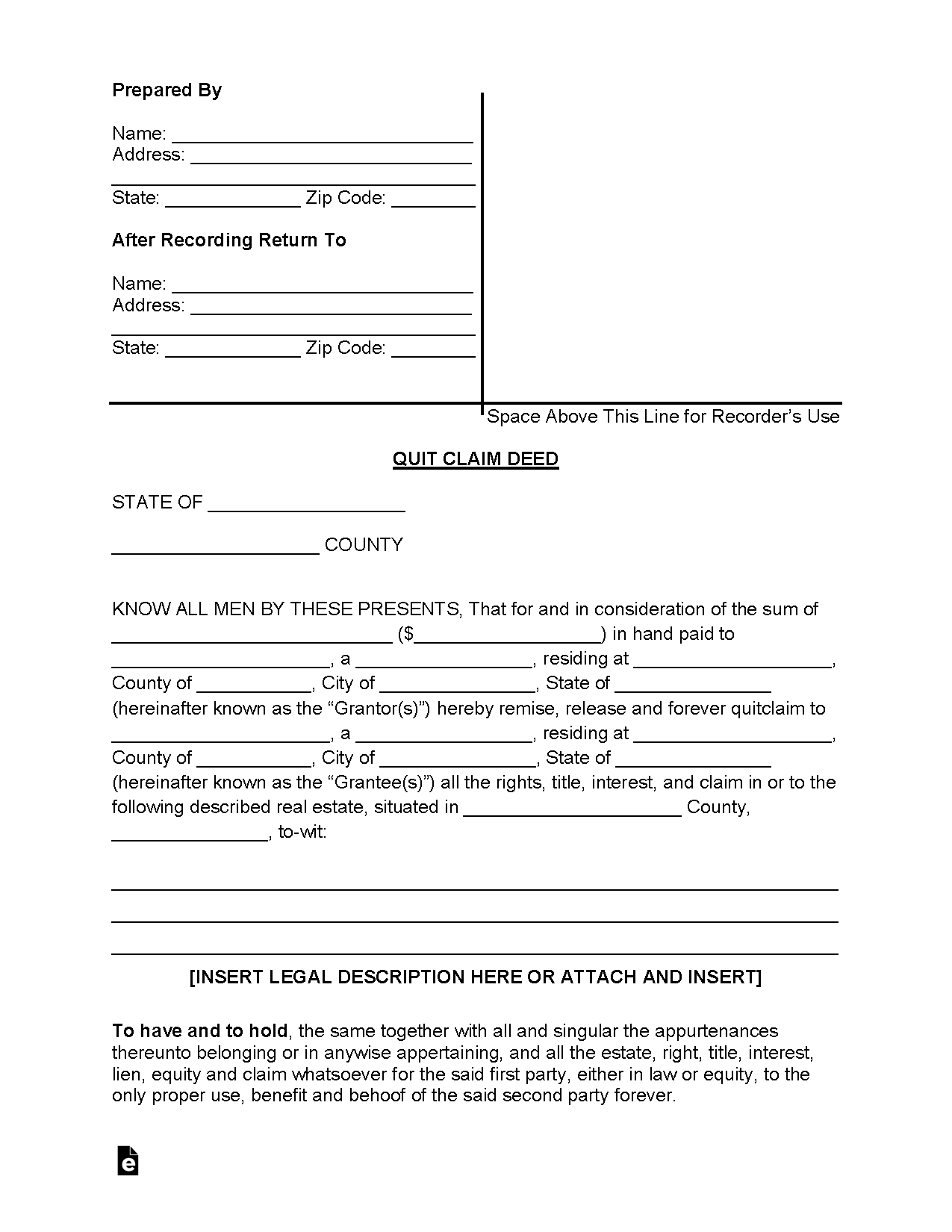
Can a POA sign for an incarcerated owner? Who should be grantor on the deed?
It sounds like you're looking to ensure that the property transactions are properly executed with the correct names on the deed, especially given the involvement of a power of attorney for someone who is incarcerated.
Here’s a breakdown:
Power of Attorney (POA) and Signing the Deed:
When someone is using a real estate power of attorney (POA), they are granted the authority to act on behalf of the principal (the incarcerated person) regarding their property.
Typically, only the principal’s name (the person who gave the POA) should be listed on the deed as the grantor. The person holding the POA (the girlfriend, in this case) would sign the deed as the agent on behalf of the principal, but her name does not typically go on the deed as a grantor unless the POA document specifies it.
Including Both Names on the Deed:
It is important to verify the specific language in the POA document. Generally, the principal’s name should be the one that appears as the grantor on the deed. The girlfriend can sign on the principal’s behalf, but her name would only be included as the attorney-in-fact, not as the grantor.
Business Names on the Deed:
If the buyer is purchasing the property through their business, the deed should reflect the business name of the buyer as the grantee. The individual’s government name can be included in parentheses, followed by "OWNER OF" or similar language if they are acting through the business entity.
For example:
“XYZ Corp., a business entity, (John Doe, OWNER OF XYZ Corp.),” if John Doe is personally involved with the business.
Key Considerations:
✅ Verify the POA document – Make sure the POA explicitly allows the girlfriend to act on the incarcerated individual’s behalf for selling properties.
✅ Incorporate both names if applicable – If the individual is personally involved in the business, their name may be included, but the business name should be the primary name on the deed.
Next steps:
- Review the POA document to ensure it allows the girlfriend to act on the incarcerated individual’s behalf.
- Make sure the deed is drafted with the correct names, depending on whether it’s the individual’s name or their business name.
0
Quitclaim Deed
Full Conversation
Lexi, Chatbot
I understand your concern. Who is currently holding the power of attorney for the incarcerated individual?
His girlfriend
Lexi, Chatbot
Have you consulted with a real estate lawyer regarding this matter yet?
No I need to know if I should put both of their names on the deed
Lexi, Chatbot
Is there anything else the Real Estate Lawyer should know before I connect you? Rest assured they'll be able to help with adding names to the deed.
Yes if the new buyer and the old buyer both using their business to purchase and sell the property should I only put the business name or is it okay to put their government name and put OWNER OF than add the business name that way their name and their business name is on the deed
Darryl
Good evening. I’m Darryl Shaper, and I’m here to guide you through your questions regarding real estate powers of attorney and deed name requirements.
Disclaimer: Please note that the information provided here is general legal guidance and does not create an attorney-client relationship or constitute formal legal advice.
Darryl
It sounds like you're looking to ensure that the property transactions are properly executed with the correct names on the deed, especially given the involvement of a power of attorney for someone who is incarcerated.
Here’s a breakdown:
Power of Attorney (POA) and Signing the Deed:
When someone is using a real estate power of attorney (POA), they are granted the authority to act on behalf of the principal (the incarcerated person) regarding their property.
Typically, only the principal’s name (the person who gave the POA) should be listed on the deed as the grantor. The person holding the POA (the girlfriend, in this case) would sign the deed as the agent on behalf of the principal, but her name does not typically go on the deed as a grantor unless the POA document specifies it.
Including Both Names on the Deed:
It is important to verify the specific language in the POA document. Generally, the principal’s name should be the one that appears as the grantor on the deed. The girlfriend can sign on the principal’s behalf, but her name would only be included as the attorney-in-fact, not as the grantor.
Business Names on the Deed:
If the buyer is purchasing the property through their business, the deed should reflect the business name of the buyer as the grantee. The individual’s government name can be included in parentheses, followed by "OWNER OF" or similar language if they are acting through the business entity.
For example:
“XYZ Corp., a business entity, (John Doe, OWNER OF XYZ Corp.),” if John Doe is personally involved with the business.
Key Considerations:
✅ Verify the POA document – Make sure the POA explicitly allows the girlfriend to act on the incarcerated individual’s behalf for selling properties.
✅ Incorporate both names if applicable – If the individual is personally involved in the business, their name may be included, but the business name should be the primary name on the deed.
Next steps:
- Review the POA document to ensure it allows the girlfriend to act on the incarcerated individual’s behalf.
- Make sure the deed is drafted with the correct names, depending on whether it’s the individual’s name or their business name.
So just let the girlfriend put her signature where the owner's name is as the grantor and only use the business name to represent both parties?
Darryl
Yes, the girlfriend should sign where the owner’s name is as the grantor, as she is acting on behalf of the incarcerated individual with the power of attorney. The business name should be used to represent the buyer, with the individual’s name in parentheses if needed to clarify involvement. The incarcerated individual's name should be the only one listed as the grantor.
What about if there is 2 properties on the same deed but the quit claim form on eForms won’t allow me to put 2 different parcel IDs – can I print the deed and just write the second parcel number?
When they are about to sign in front of the notary person can I do that?
Darryl
If the eForms document doesn’t allow you to input two parcel IDs, you can print the deed and manually write the second parcel number in the appropriate section. When you sign in front of the notary, make sure both parcel IDs are clearly written on the deed and that all the information is accurate.
The notary will verify the document and your signature. As long as everything is clear and legible, and consistent with the property details, you’re good to go. No further consultation is typically needed if the document is complete and properly notarized.
okay thank you
Darryl
Of course! Anytime. Have a good night.
11
2
Answered 3 days ago
Disclaimer
By messaging AskaLawyer.com, you agree to our Terms and have read our Privacy Policy.
The information provided on AskaLawyer.com is for general informational purposes only and does not constitute legal advice. While we strive to ensure the accuracy and timeliness of the information presented, we make no guarantees regarding its completeness or applicability to your specific circumstances.
Use of this website does not create an attorney-client relationship between you and AskaLawyer.com or any of its attorneys. Communications through this website, including any responses from attorneys, are not privileged or confidential. For advice tailored to your individual situation, we recommend consulting a licensed attorney in your jurisdiction.
AskaLawyer.com disclaims any liability for actions taken or not taken based on the content of this site. We are not responsible for any third-party content that may be accessed through this website. Reliance on any information provided herein is solely at your own risk.