[CA] [CA] I was defrauded by my realtor who held no inspection. What can I do?
In California, the statute of limitations for fraud is three years — but it starts running when the fraud is discovered or should have been discovered, not necessarily from the date of purchase. (CCP § 338(d))
However, there are possible ways to extend or “toll” that deadline.
1. Fraudulent Concealment
If your realtor or seller knowingly concealed major defects — such as the lack of inspection, hidden mold, or unsafe living conditions — this can pause (toll) the statute of limitations.
The clock restarts only once you discover or reasonably should have discovered the fraud.
So, if you only realized the full extent of the fraud or its effects on your health later (for example, discovering mold in 2023 or 2024), you may still have a viable claim.
2. Disability Tolling
Since you mentioned being a disabled senior, California law may allow for tolling due to incapacity if your disability prevented you from protecting your legal rights within the normal timeframe.
This is recognized under California Code of Civil Procedure § 352(a) — which pauses the statute if a person is “of unsound mind” or otherwise incapacitated when the cause of action accrues. Courts interpret this narrowly, but it can apply if your disability directly impacted your ability to file in time.
3. Public Policy / Equitable Tolling
Courts occasionally allow a claim to proceed beyond the time limit if it would be fundamentally unjust to bar it — especially where a vulnerable person (like a senior or disabled individual) was defrauded or exploited by a professional such as a licensed realtor.
This is a last-resort argument, but judges sometimes consider it when denying the claim would undermine public policy protecting consumers and seniors.
4. DRE Complaint Does Not Pause the Statute
Unfortunately, filing a complaint with the California Department of Real Estate (DRE) does not stop the statute of limitations clock. However, you can use the DRE’s findings or correspondence to support your civil fraud claim if you decide to file in court.
Next Steps
- Gather all documentation — emails, disclosures, inspection records, the purchase contract, and correspondence with the DRE.
- Get an updated inspection report or environmental test (especially for mold).
- Ask your attorney about filing a fraudulent concealment claim or a professional negligence claim against the realtor.
- Consider filing a civil complaint as soon as possible — even if the statute is close — and let the court decide the tolling issue.
0
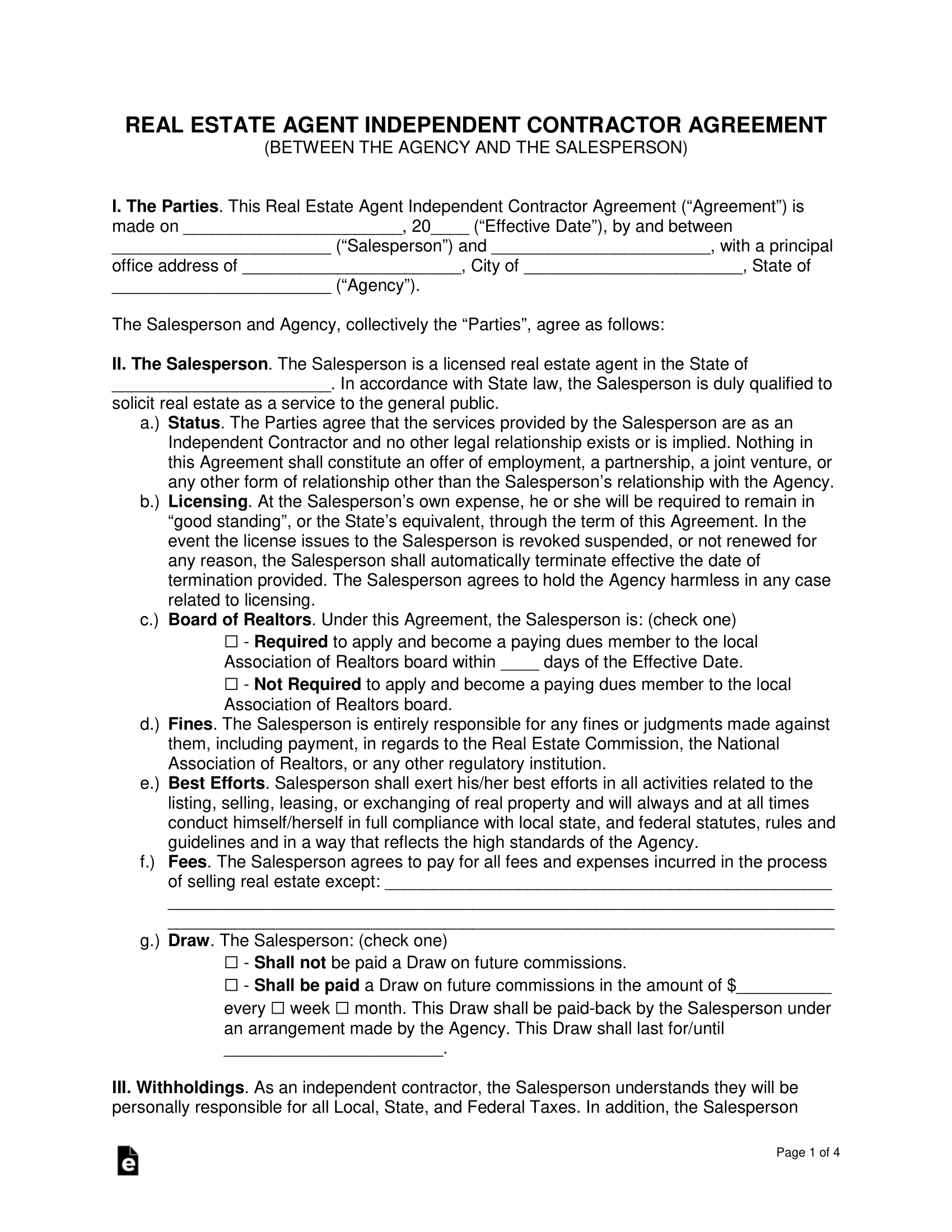
Real Estate Agent Contractor Agreement
Full Conversation
I was defrauded by my realtor who held no inspection. I moved in to no working shower. I became ill, but pushed through a complaint with the DRE, which did nothing. A lawyer says it’s a solid case, but the statute of limitations may have expired. Is there any recourse? I’m a disabled senior.
Lexi, Chatbot
I’m sorry to hear about your difficult situation with the realtor. Have you consulted with a lawyer regarding the statute of limitations in your case?
Yes.
Lexi, Chatbot
Can you provide more details about when the incident occurred and if you have documentation related to the fraud and lack of inspection?
The purchase was in 2020. I filed a complaint in 2021 or 2022. I’m still finding problems — possibly atmospheric mold that’s causing illness.
Lexi, Chatbot
Is there anything else the lawyer should know before I connect you?
Yes.
Elizabeth
Hi there! My name is Liz, and I’ve been an attorney for more than a decade. I’m here to help with your legal concerns.
Just to confirm — this happened in California, correct?
Yes.
Elizabeth
In California, the statute of limitations for fraud is three years — but it starts running when the fraud is discovered or should have been discovered, not necessarily from the date of purchase. (CCP § 338(d))
However, there are possible ways to extend or “toll” that deadline.
1. Fraudulent Concealment
If your realtor or seller knowingly concealed major defects — such as the lack of inspection, hidden mold, or unsafe living conditions — this can pause (toll) the statute of limitations.
The clock restarts only once you discover or reasonably should have discovered the fraud.
So, if you only realized the full extent of the fraud or its effects on your health later (for example, discovering mold in 2023 or 2024), you may still have a viable claim.
2. Disability Tolling
Since you mentioned being a disabled senior, California law may allow for tolling due to incapacity if your disability prevented you from protecting your legal rights within the normal timeframe.
This is recognized under California Code of Civil Procedure § 352(a) — which pauses the statute if a person is “of unsound mind” or otherwise incapacitated when the cause of action accrues. Courts interpret this narrowly, but it can apply if your disability directly impacted your ability to file in time.
3. Public Policy / Equitable Tolling
Courts occasionally allow a claim to proceed beyond the time limit if it would be fundamentally unjust to bar it — especially where a vulnerable person (like a senior or disabled individual) was defrauded or exploited by a professional such as a licensed realtor.
This is a last-resort argument, but judges sometimes consider it when denying the claim would undermine public policy protecting consumers and seniors.
4. DRE Complaint Does Not Pause the Statute
Unfortunately, filing a complaint with the California Department of Real Estate (DRE) does not stop the statute of limitations clock. However, you can use the DRE’s findings or correspondence to support your civil fraud claim if you decide to file in court.
Next Steps
- Gather all documentation — emails, disclosures, inspection records, the purchase contract, and correspondence with the DRE.
- Get an updated inspection report or environmental test (especially for mold).
- Ask your attorney about filing a fraudulent concealment claim or a professional negligence claim against the realtor.
- Consider filing a civil complaint as soon as possible — even if the statute is close — and let the court decide the tolling issue.
Elizabeth
Does that all make sense? I know this is a lot, but in short — you may still have a path forward if you can show the concealment continued or you discovered the full extent of the fraud later.
Yes, that helps.
11
2
Answered 3 days ago
Disclaimer
By messaging AskaLawyer.com, you agree to our Terms and have read our Privacy Policy.
The information provided on AskaLawyer.com is for general informational purposes only and does not constitute legal advice. While we strive to ensure the accuracy and timeliness of the information presented, we make no guarantees regarding its completeness or applicability to your specific circumstances.
Use of this website does not create an attorney-client relationship between you and AskaLawyer.com or any of its attorneys. Communications through this website, including any responses from attorneys, are not privileged or confidential. For advice tailored to your individual situation, we recommend consulting a licensed attorney in your jurisdiction.
AskaLawyer.com disclaims any liability for actions taken or not taken based on the content of this site. We are not responsible for any third-party content that may be accessed through this website. Reliance on any information provided herein is solely at your own risk.