How can I fight for a house that was sold — but it was given to me in my dad’s will before he died?
Unfortunately, no. Once the house was transferred, your brother became the legal owner, and all money from the sale goes to the owner.
When your brother was given the house — or however he obtained it — that’s the point when it would have needed to be challenged in court, by proving your father was not mentally competent to make that transfer.
After the house was transferred and then sold, it becomes too late to challenge the sale itself.
I don’t want to give you false hope, but it is possible, though difficult, to explore a civil fraud claim.
If you hire a local civil attorney, they could file a lawsuit against your brother, alleging fraud and invalid transfer based on your father’s medical condition. Your father’s doctor could testify that he wasn’t competent to revoke the power of attorney or give the house to your brother.
If successful, you could argue that the transfer was void, meaning the sale proceeds rightfully belong to your father’s estate — and therefore, under the will, to you.
However, this type of case is expensive and complex. Most attorneys would likely require a retainer of $10,000–$15,000 upfront, as it involves significant time and uncertain results.
0
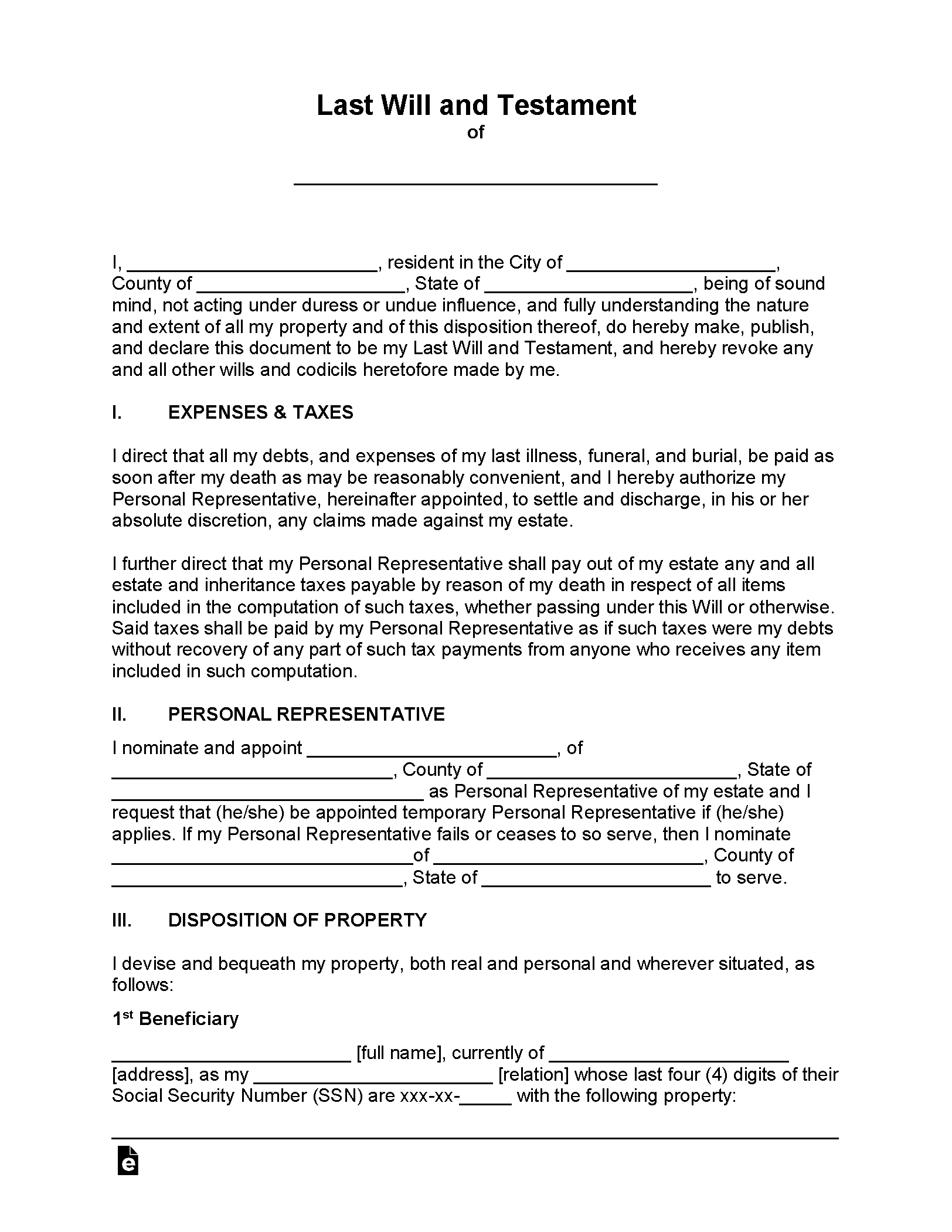
Last Will and Testament
Full Conversation
How can I fight for a house that was sold — but it was given to me in my dad’s will before he died?
Lexi, Chatbot
I understand this must be a difficult situation for you. Was the house sold before or after your father’s passing?
The house was sold before he died. He had dementia and was told he couldn’t sign any documents. He took my sister off power of attorney, then gave my brother everything. Then my brother sold the house. And now the house is on the market again.
Lexi, Chatbot
Have you already consulted with a probate lawyer regarding your rights to the house as per your father’s will?
No. I didn’t think there was anything I could do at the time.
Lexi, Chatbot
Is there anything else the lawyer should know before I connect you? Rest assured they’ll be able to help with contesting the house sale.
No.
Barrister
Hello and welcome to the site! My name is Barrister, and I am a licensed attorney here to help with your situation.
I know your question is important, but please note there may be a short delay in my responses as I am often assisting multiple customers at once. I have read your post, and I’m very sorry to hear about your situation — I understand it can be frustrating and confusing.
Unfortunately, a will only becomes effective after someone passes away. That means being “given” something in a will while the person is still alive does not have legal force. Once a person dies, their will becomes final, and any assets they still own at the time of death pass through their estate according to the will.
However, if the house was sold before your father passed away, then it would not have been part of his estate at the time of his death — meaning it wouldn’t have been subject to the terms of his will.
That said, unless your father had been legally deemed incompetent by a doctor or a court, he still had the legal right to make decisions about his property while alive. Having dementia doesn’t automatically mean someone is legally incompetent to sign documents or make financial decisions.
Yes, very frustrating. Do I have a chance at getting anything from the sale of the house?
Barrister
I’m very sorry that I don’t have better news, but please understand that I have an ethical and professional duty to give you a legally correct answer based on my knowledge and experience — even when it’s not what you’d hoped to hear.
Power of attorney.
That’s fine, I just want to know.
Barrister
To be very honest, this is something that would have needed to be challenged while your father was still living.
If he was not competent to sign legal documents or transfer assets, then someone — possibly you — could have filed for guardianship or conservatorship at that time. That would have allowed a court to prevent him from transferring the property and potentially recover (or “claw back”) any assets he gave away while incapacitated, such as the house.
I have documents from the doctor stating he couldn’t sign any forms. I have the original will. But you’re saying because I didn’t fight for it while he was alive, I have no chance at getting anything from the house being sold?
Barrister
Unfortunately, no. Once the house was transferred, your brother became the legal owner, and all money from the sale goes to the owner.
When your brother was given the house — or however he obtained it — that’s the point when it would have needed to be challenged in court, by proving your father was not mentally competent to make that transfer.
After the house was transferred and then sold, it becomes too late to challenge the sale itself.
I don’t want to give you false hope, but it is possible, though difficult, to explore a civil fraud claim.
If you hire a local civil attorney, they could file a lawsuit against your brother, alleging fraud and invalid transfer based on your father’s medical condition. Your father’s doctor could testify that he wasn’t competent to revoke the power of attorney or give the house to your brother.
If successful, you could argue that the transfer was void, meaning the sale proceeds rightfully belong to your father’s estate — and therefore, under the will, to you.
However, this type of case is expensive and complex. Most attorneys would likely require a retainer of $10,000–$15,000 upfront, as it involves significant time and uncertain results.
Thanks for the info. I’ll just take it as a loss. Lesson learned, though.
11
2
Answered 3 days ago
Disclaimer
By messaging AskaLawyer.com, you agree to our Terms and have read our Privacy Policy.
The information provided on AskaLawyer.com is for general informational purposes only and does not constitute legal advice. While we strive to ensure the accuracy and timeliness of the information presented, we make no guarantees regarding its completeness or applicability to your specific circumstances.
Use of this website does not create an attorney-client relationship between you and AskaLawyer.com or any of its attorneys. Communications through this website, including any responses from attorneys, are not privileged or confidential. For advice tailored to your individual situation, we recommend consulting a licensed attorney in your jurisdiction.
AskaLawyer.com disclaims any liability for actions taken or not taken based on the content of this site. We are not responsible for any third-party content that may be accessed through this website. Reliance on any information provided herein is solely at your own risk.