[CA] I was given authorization from my landlord that I can sublease. Can I sublease my home to my LLC?
Yes, you can sublease your home to your LLC in California, but there are some legal and tax considerations to keep in mind.
1. Confirm Your Lease Agreement & Landlord Approval
- Since you already have authorization from your landlord to sublease, review your lease agreement to ensure there are no restrictions on subleasing to a business entity.
- If the lease allows subleasing to any party, including businesses, you should be fine.
- If the landlord’s approval was only verbal, it’s best to get it in writing to protect yourself.
2. Why Sublease to Your LLC?
- Tax Deductions – If your LLC operates out of your home, it can pay rent to you, and the LLC can deduct that rent as a business expense.
- Liability Protection – If structured properly, the LLC lease might limit personal liability related to business activities on the property.
- Formal Business Use – If your business operates from home, subleasing may help in legitimizing business expenses and improving bookkeeping.
3. Key Considerations Before Subleasing
- A. Is This a Legitimate Business Expense?
- The IRS and California Franchise Tax Board (FTB) expect business deductions to be reasonable and necessary.
- If your LLC only subleases but doesn’t actually use the property for business, the IRS could view this as an abusive tax strategy and disallow the deduction.
- B. Structuring the Sublease Properly
- The sublease should be formal and in writing between you (as the tenant) and your LLC.
- The rent amount should be reasonable, meaning it should be in line with market rates for similar rental arrangements.
- Payments should be documented to avoid tax issues.
- C. Impact on Landlord & Lease Terms
- Some landlords may not allow subleasing to a business entity due to liability concerns.
- If your lease requires individual tenants to occupy the property, subleasing to your LLC could violate those terms.
- D. Property Insurance
- If your home is subleased to a business, it could impact your renter’s insurance (or your landlord’s policy).
- You may need business insurance if you’re running operations from home.
0
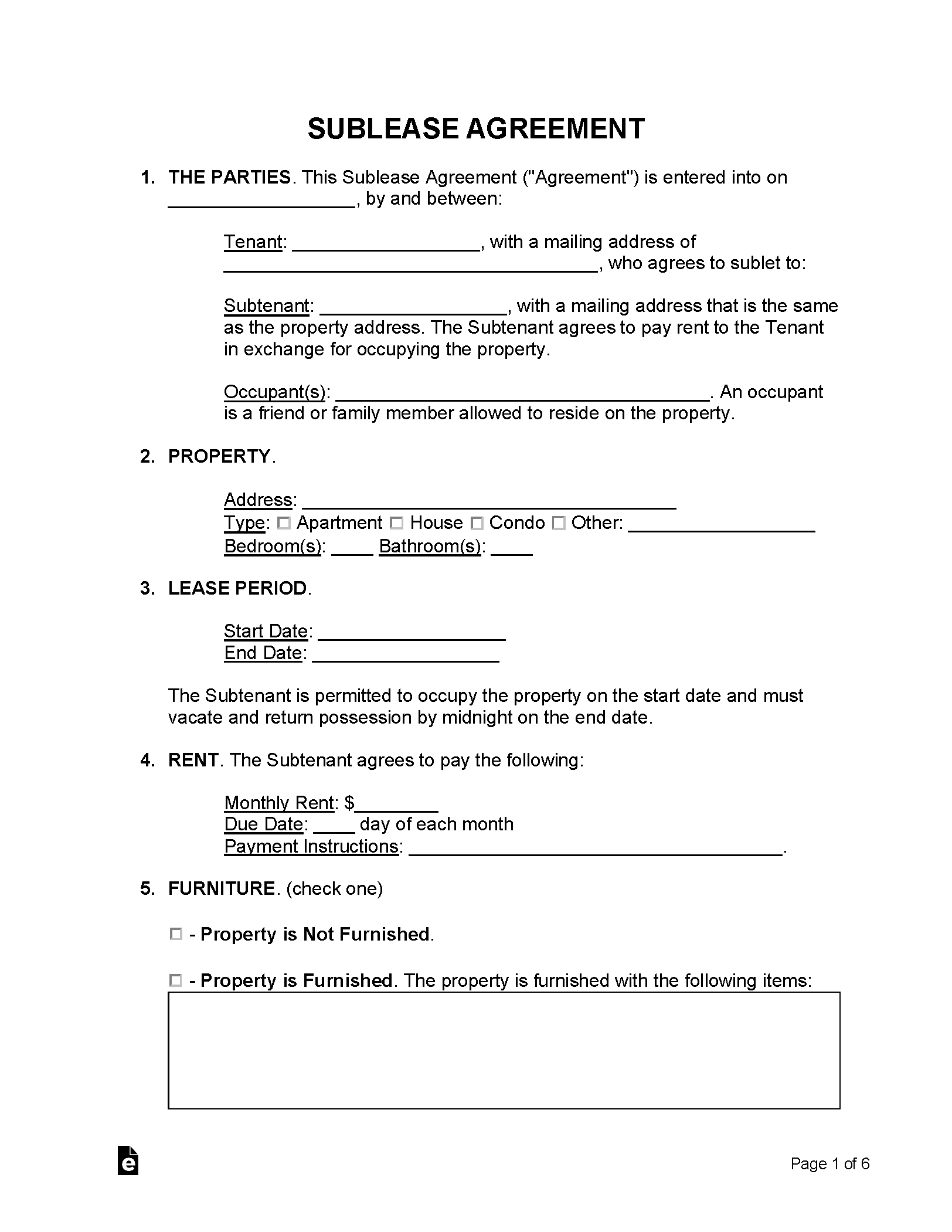
Sublease Agreement
Full Conversation
I was given authorization from my landlord that I can sublease. Can I sublease my home to my LLC?
Lexi, Chatbot
I understand your situation. Can you confirm if there are any specific clauses in your lease agreement regarding subleasing to a business entity like an LLC?
I confirm.
Lexi, Chatbot
Have you discussed this potential sublease arrangement with your landlord in detail, including the nature of the LLC and its intended use of the property?
There are no specific clauses. I operate an in-home family childcare, and the landlord is aware.
Lexi, Chatbot
Is there anything else the Landlord-Tenant Lawyer should know before I connect you? Rest assured, they’ll be able to help with subleasing to your LLC.
No.
Andres Sanchez
Hi there! I’m Andres Sanchez, your Landlord-Tenant expert. It sounds like you have a unique situation with the sublease to your LLC, and I’m here to help you navigate it. What state are you in?
Hello Andres, I am in California.
My lease does not require an individual tenant to occupy the property, but the family childcare license requires a licensee to occupy the residence.
Andres Sanchez
Yes, you can sublease your home to your LLC in California, but there are some legal and tax considerations to keep in mind.
1. Confirm Your Lease Agreement & Landlord Approval
- Since you already have authorization from your landlord to sublease, review your lease agreement to ensure there are no restrictions on subleasing to a business entity.
- If the lease allows subleasing to any party, including businesses, you should be fine.
- If the landlord’s approval was only verbal, it’s best to get it in writing to protect yourself.
2. Why Sublease to Your LLC?
- Tax Deductions – If your LLC operates out of your home, it can pay rent to you, and the LLC can deduct that rent as a business expense.
- Liability Protection – If structured properly, the LLC lease might limit personal liability related to business activities on the property.
- Formal Business Use – If your business operates from home, subleasing may help in legitimizing business expenses and improving bookkeeping.
3. Key Considerations Before Subleasing
- A. Is This a Legitimate Business Expense?
- The IRS and California Franchise Tax Board (FTB) expect business deductions to be reasonable and necessary.
- If your LLC only subleases but doesn’t actually use the property for business, the IRS could view this as an abusive tax strategy and disallow the deduction.
- B. Structuring the Sublease Properly
- The sublease should be formal and in writing between you (as the tenant) and your LLC.
- The rent amount should be reasonable, meaning it should be in line with market rates for similar rental arrangements.
- Payments should be documented to avoid tax issues.
- C. Impact on Landlord & Lease Terms
- Some landlords may not allow subleasing to a business entity due to liability concerns.
- If your lease requires individual tenants to occupy the property, subleasing to your LLC could violate those terms.
- D. Property Insurance
- If your home is subleased to a business, it could impact your renter’s insurance (or your landlord’s policy).
- You may need business insurance if you’re running operations from home.
Andres Sanchez
Since your family childcare license requires the licensee to occupy the residence, subleasing to your LLC could create a potential compliance issue. Here’s how you can navigate it:
1. Key Issue: Does Subleasing to the LLC Affect Your Occupancy Requirement?
- Your California family childcare license likely states that you, as the licensee, must reside at the home where the childcare is operated.
- If you sublease the home to your LLC, there’s a risk that it could be interpreted as the LLC (and not you) “occupying” the home.
- If licensing officials view this as a violation, it could jeopardize your childcare license.
2. Possible Solutions
Option 1: Structure the Sublease Carefully
- Instead of fully subleasing the home to your LLC, lease only a portion to your LLC for business purposes.
- The primary lease (from your landlord to you) should remain intact, proving that you still reside there.
- Your sublease should clarify that the LLC is renting workspace, not taking over full possession.
Option 2: Maintain Dual Agreements
- Instead of a full sublease, consider a Business Use Agreement or a Home Office Lease between you and the LLC.
- This would allow your LLC to pay rent for business purposes without suggesting that you have given up occupancy.
Option 3: Get Clarification from Licensing Authorities
- Contact California Community Care Licensing (CCL) and ask if subleasing to an LLC you own is acceptable.
- If they confirm that you must personally be the tenant, then subleasing to your LLC could create an issue.
3. Tax & Legal Considerations
- If you sublease completely, the IRS might consider it a passive rental activity, which could impact your ability to deduct business expenses.
- If you rent a portion to your LLC, you must ensure that the amount paid is reasonable and justified as a business expense.
- Keeping separate bank accounts for personal vs. business transactions is critical.
This is very informative, Andres. Thank you. Is there anything else I should be informed of? Otherwise, this will be all.
Andres Sanchez
You’re welcome. I hope everything works out for you.
11
2
Answered 3 days ago
Disclaimer
By messaging AskaLawyer.com, you agree to our Terms and have read our Privacy Policy.
The information provided on AskaLawyer.com is for general informational purposes only and does not constitute legal advice. While we strive to ensure the accuracy and timeliness of the information presented, we make no guarantees regarding its completeness or applicability to your specific circumstances.
Use of this website does not create an attorney-client relationship between you and AskaLawyer.com or any of its attorneys. Communications through this website, including any responses from attorneys, are not privileged or confidential. For advice tailored to your individual situation, we recommend consulting a licensed attorney in your jurisdiction.
AskaLawyer.com disclaims any liability for actions taken or not taken based on the content of this site. We are not responsible for any third-party content that may be accessed through this website. Reliance on any information provided herein is solely at your own risk.