Can two signatures to the same document get notarized in two states?
To make a POA legally valid for real estate transactions in Texas (Texas Estates Code, Title 2, Subtitle P, Chapter 751):
- It must be in writing, signed by the principal, and notarized (Texas Property Code § 12.001).
- It should clearly state the powers granted (e.g., selling the property), with address and legal description.
- To remain valid if the principal becomes incapacitated, it must include durable POA language.
- It must be recorded in the public records of the county where the property is located.
Texas law doesn’t require a formal two-part notarization, but it allows flexibility. You can sign in Texas and have it notarized. Your agent in Ohio can separately acknowledge or notarize their signature, too.
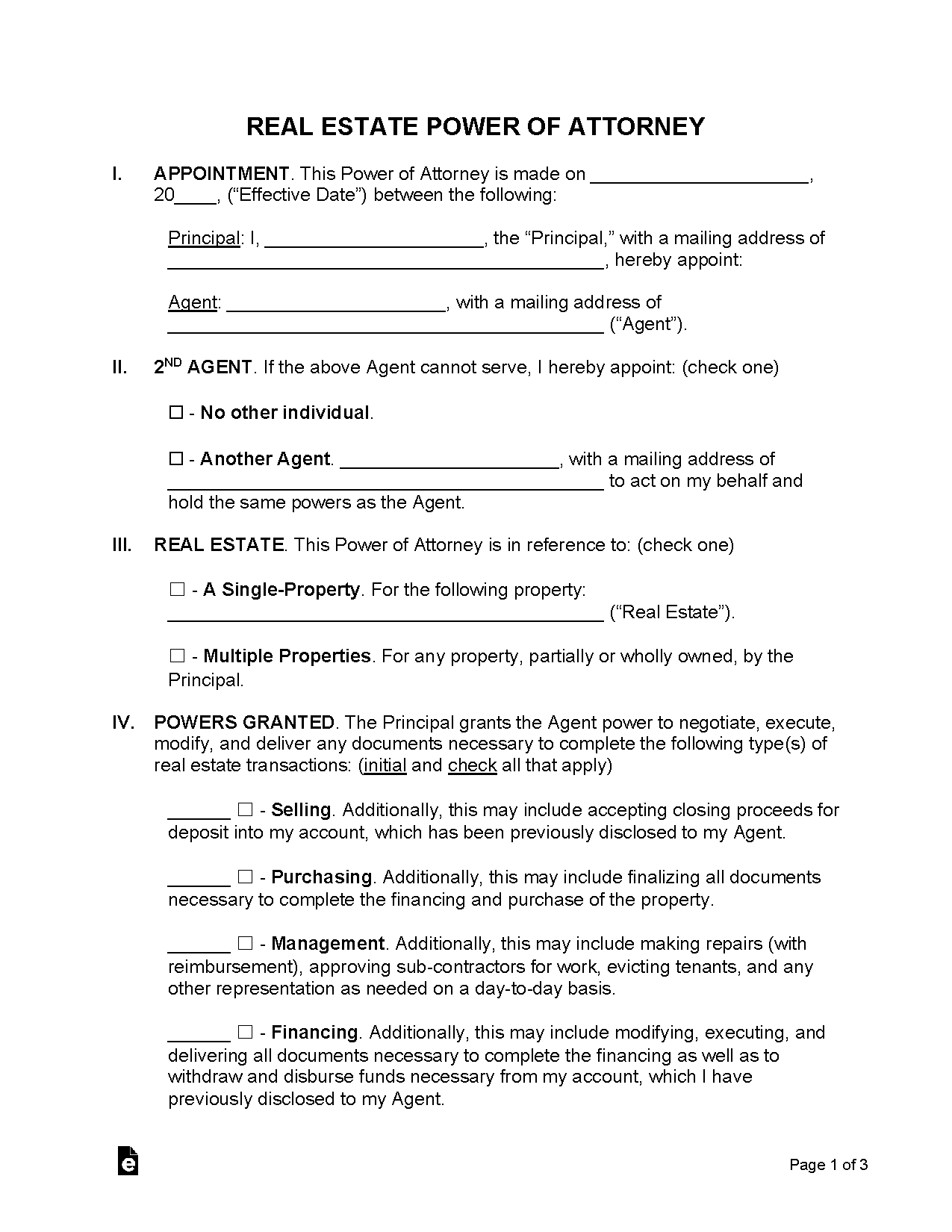
See the attached POA form with two notarization sections. These are generic clauses where the states can be filled in. This should work in both Texas and Ohio.
0
Real Estate Power of Attorney Form
Full Conversation
I am looking to enact a real estate power of attorney. Can I notarize my signature from Texas as the principal and can my agent notarize the document separately from Ohio?
Lexi, Chatbot
I understand you're looking for a real estate POA with a two-part notarization process. Are you looking for a specific format or template?
It should comply with Texas state law, as the property is in Texas, and must have two-part notarization.
Lexi, Chatbot
Is there anything else the lawyer should know?
No.
Jon
Hello! I'm delighted that you've chosen AskaLawyer. My name is Jon, and I'm here to assist you. I understand that dealing with legal issues can be stressful. I'm here to help. You just need a real estate POA form?
I need a Texas real estate POA with two-part notarization so my agent can notarize in Ohio, and I can do it from Texas. Is that possible?
Jon
Understood. I think I have all the information I need. Is there anything else you'd like to add?
Nope.
Jon
Got it. Give me a few minutes to type up a response.
OK.
Jon
To make a POA legally valid for real estate transactions in Texas (Texas Estates Code, Title 2, Subtitle P, Chapter 751):
- It must be in writing, signed by the principal, and notarized (Texas Property Code § 12.001).
- It should clearly state the powers granted (e.g., selling the property), with address and legal description.
- To remain valid if the principal becomes incapacitated, it must include durable POA language.
- It must be recorded in the public records of the county where the property is located.
Texas law doesn’t require a formal two-part notarization, but it allows flexibility. You can sign in Texas and have it notarized. Your agent in Ohio can separately acknowledge or notarize their signature, too.
See the attached POA form with two notarization sections. These are generic clauses where the states can be filled in. This should work in both Texas and Ohio.
I have two principals and one agent. Can you regenerate? I couldn’t find the agent’s signature portion.
Jon
Please see the attached document.
So, should the principal sign and notarize in Texas first, and then the agent sign and notarize in Ohio? Does this need special paper or letterhead?
Jon
The signing order doesn’t matter. No special paper is needed—just ensure everyone signs and gets their signature notarized.
And will this be acceptable for any title agency?
Jon
Yes, this is all you need for a valid POA.
Awesome, thank you so much!
Jon
Great! It was a pleasure working with you. Have a fantastic day!
11
2
Answered 3 days ago
Disclaimer
By messaging AskaLawyer.com, you agree to our Terms and have read our Privacy Policy.
The information provided on AskaLawyer.com is for general informational purposes only and does not constitute legal advice. While we strive to ensure the accuracy and timeliness of the information presented, we make no guarantees regarding its completeness or applicability to your specific circumstances.
Use of this website does not create an attorney-client relationship between you and AskaLawyer.com or any of its attorneys. Communications through this website, including any responses from attorneys, are not privileged or confidential. For advice tailored to your individual situation, we recommend consulting a licensed attorney in your jurisdiction.
AskaLawyer.com disclaims any liability for actions taken or not taken based on the content of this site. We are not responsible for any third-party content that may be accessed through this website. Reliance on any information provided herein is solely at your own risk.