[GA] [GA] Is it a good idea to buy a condo with an HOA lawsuit pending?
1. How Common Are HOA Lawsuits?
It’s not unusual for condo associations to be involved in litigation.
Sometimes lawsuits are relatively minor — for example:
- Disputes over unpaid dues
- Slip-and-fall claims
- Enforcement of community rules
Other times, they can be more serious — such as:
- Construction defects
- Major financial mismanagement
- Conflicts with developers
The impact depends entirely on what the lawsuit is about. For example:
- A small collections lawsuit against a past-due owner typically doesn’t affect lending.
- A construction defect or mold claim can be a red flag — lenders see those as risky because they may result in special assessments (large, one-time payments owners must make).
- A lawsuit that challenges the legality or operation of the HOA could destabilize the entire association.
Before deciding whether to proceed, you must obtain clear, written information about the litigation’s nature and scope. You are legally entitled to review the HOA’s disclosures before closing.
2. Why Would a Bank Hesitate to Lend?
Banks look closely at HOA lawsuits because litigation can:
- Lower property values
- Make it harder to resell units
- Result in large special assessments
- Signal poor HOA management
If Bank of America is “unsure,” that usually means they are waiting for more documentation or clarity. They may require:
- A copy of the lawsuit complaint and responsive pleadings
- Proof of insurance coverage for the claims
- Evidence that the HOA has sufficient reserves to cover a potential settlement
If the bank ultimately refuses to fund the loan due to litigation, you should be entitled to a return of your earnest money, provided your financing contingency is still active.
3. Next Steps You Can Take Now
While waiting for the lender’s decision, be proactive to avoid surprises:
- Ask Your Agent or Attorney for Full Disclosure:
- Request the HOA’s full litigation packet, including:
- The complaint or lawsuit summary
- Any owner communications about assessments or risks
- Current reserve study and financial statements
- Review the Condo Documents Carefully:
- Check for clauses about:
- Special assessments
- Dues increases
- Insurance shortfalls
- Check for clauses about:
- Talk to the HOA Directly:
- If comfortable, ask:
- What is the lawsuit about?
- How long has it been pending?
- What are the likely outcomes?
- Will owners have to pay a special assessment if the HOA loses?
- If comfortable, ask:
- Get Written Confirmation from Your Lender:
- Ask Bank of America:
- What documents or conditions must be met for approval?
- When will they make a final decision?
- What happens to your earnest money if they deny the loan?
- Ask Bank of America:
4. Should You Walk Away or Move Forward?
This depends on your risk tolerance.
- Some buyers move forward if the litigation is minor or fully covered by insurance. Others prefer to walk away to avoid possible assessments or resale issues.
- If you back out without lender denial, you may forfeit your earnest money.
- If the bank denies financing, your financing contingency should protect you.
My Suggestion
Before deciding to terminate or proceed, gather as much information in writing as possible.
Ask yourself:
-
- Am I comfortable paying a special assessment if the HOA loses?
- Am I prepared to own a property that could become harder to sell?
- Would higher dues still make this condo affordable long-term?
If you’re still uncertain after receiving the details, it’s wise to consult a Georgia real estate attorney who can review your contract and the HOA documents to assess your risk.
0
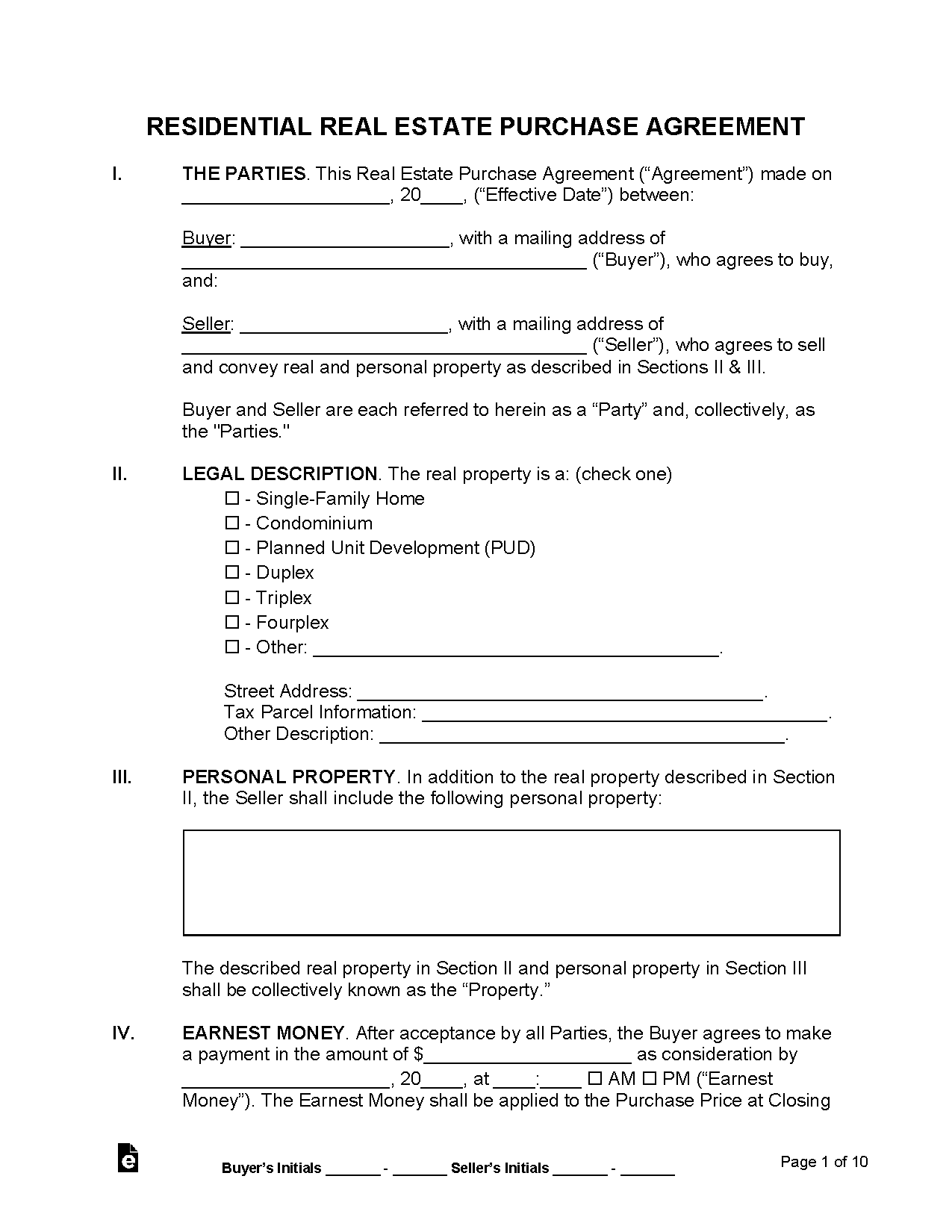
Residential Real Estate Purchase Agreement
Full Conversation
Is it a good idea to buy a condo with an HOA lawsuit pending?
Lexi, Chatbot
I understand your concern. Has the HOA lawsuit been resolved, or is it still ongoing?
No, it’s still ongoing.
Lexi, Chatbot
Are you aware of the details of the lawsuit and how it might affect the condo you’re considering buying?
I fear that it could happen to any owner in the community, and this person just got a raw deal.
Lexi, Chatbot
Is there anything else the real estate lawyer should know before I connect you? Rest assured, they’ll be able to help with the HOA lawsuit pending.
Yes.
Brandon
Hi there and welcome to AskALawyer. My name is Brandon, and I’m an attorney. I’d be happy to help you out today.
What is the lawsuit about, and where are you located?
I’m in Georgia, and I’m in the middle of closing on a condo in this unit.
Bank of America is unsure if they will lend on this unit.
I want to know if this is a normal HOA/condo issue or if I should shop elsewhere.
I’ll lose my earnest money if I renege — but if Bank of America doesn’t lend, I’ll get my earnest money back.
I’m fully under contract.
Brandon
Here’s what you should know:
Brandon
1. How Common Are HOA Lawsuits?
It’s not unusual for condo associations to be involved in litigation.
Sometimes lawsuits are relatively minor — for example:
- Disputes over unpaid dues
- Slip-and-fall claims
- Enforcement of community rules
Other times, they can be more serious — such as:
- Construction defects
- Major financial mismanagement
- Conflicts with developers
The impact depends entirely on what the lawsuit is about. For example:
- A small collections lawsuit against a past-due owner typically doesn’t affect lending.
- A construction defect or mold claim can be a red flag — lenders see those as risky because they may result in special assessments (large, one-time payments owners must make).
- A lawsuit that challenges the legality or operation of the HOA could destabilize the entire association.
Before deciding whether to proceed, you must obtain clear, written information about the litigation’s nature and scope. You are legally entitled to review the HOA’s disclosures before closing.
2. Why Would a Bank Hesitate to Lend?
Banks look closely at HOA lawsuits because litigation can:
- Lower property values
- Make it harder to resell units
- Result in large special assessments
- Signal poor HOA management
If Bank of America is “unsure,” that usually means they are waiting for more documentation or clarity. They may require:
- A copy of the lawsuit complaint and responsive pleadings
- Proof of insurance coverage for the claims
- Evidence that the HOA has sufficient reserves to cover a potential settlement
If the bank ultimately refuses to fund the loan due to litigation, you should be entitled to a return of your earnest money, provided your financing contingency is still active.
3. Next Steps You Can Take Now
While waiting for the lender’s decision, be proactive to avoid surprises:
- Ask Your Agent or Attorney for Full Disclosure:
- Request the HOA’s full litigation packet, including:
- The complaint or lawsuit summary
- Any owner communications about assessments or risks
- Current reserve study and financial statements
- Review the Condo Documents Carefully:
- Check for clauses about:
- Special assessments
- Dues increases
- Insurance shortfalls
- Check for clauses about:
- Talk to the HOA Directly:
- If comfortable, ask:
- What is the lawsuit about?
- How long has it been pending?
- What are the likely outcomes?
- Will owners have to pay a special assessment if the HOA loses?
- If comfortable, ask:
- Get Written Confirmation from Your Lender:
- Ask Bank of America:
- What documents or conditions must be met for approval?
- When will they make a final decision?
- What happens to your earnest money if they deny the loan?
- Ask Bank of America:
4. Should You Walk Away or Move Forward?
This depends on your risk tolerance.
- Some buyers move forward if the litigation is minor or fully covered by insurance. Others prefer to walk away to avoid possible assessments or resale issues.
- If you back out without lender denial, you may forfeit your earnest money.
- If the bank denies financing, your financing contingency should protect you.
My Suggestion
Before deciding to terminate or proceed, gather as much information in writing as possible.
Ask yourself:
-
- Am I comfortable paying a special assessment if the HOA loses?
- Am I prepared to own a property that could become harder to sell?
- Would higher dues still make this condo affordable long-term?
If you’re still uncertain after receiving the details, it’s wise to consult a Georgia real estate attorney who can review your contract and the HOA documents to assess your risk.
Thank you, Brandon. I’ll consult with a Georgia real estate lawyer once Bank of America makes a decision.
11
2
Answered 3 days ago
Disclaimer
By messaging AskaLawyer.com, you agree to our Terms and have read our Privacy Policy.
The information provided on AskaLawyer.com is for general informational purposes only and does not constitute legal advice. While we strive to ensure the accuracy and timeliness of the information presented, we make no guarantees regarding its completeness or applicability to your specific circumstances.
Use of this website does not create an attorney-client relationship between you and AskaLawyer.com or any of its attorneys. Communications through this website, including any responses from attorneys, are not privileged or confidential. For advice tailored to your individual situation, we recommend consulting a licensed attorney in your jurisdiction.
AskaLawyer.com disclaims any liability for actions taken or not taken based on the content of this site. We are not responsible for any third-party content that may be accessed through this website. Reliance on any information provided herein is solely at your own risk.